Sourcing original acrylic paintings from China
Original acrylic paintings executed entirely by hand under heading 9701 pay 0% UK duty from China, with no trade remedy shown. Reduced import VAT valuation applies only to qualifying works of art; confirm the applicable treatment with HMRC or your customs broker and keep artist and originality records. Cambridge China Bridge sources original acrylic paintings.
Buying from China for a business? How our UK China sourcing agent service works · China sourcing agent for small orders and first imports
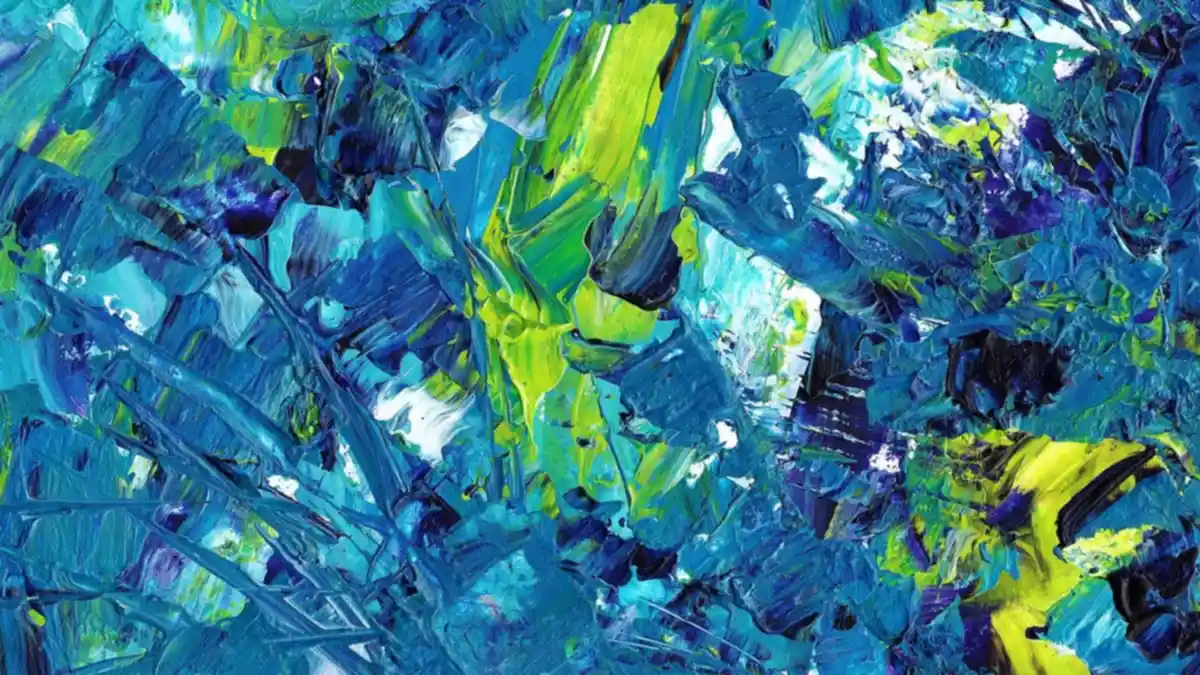
Original acrylic paintings: duty and VAT
Read from the UK Trade Tariff on 8 October 2026, heading 9701 covers paintings executed entirely by hand, alongside other artworks. Contemporary original acrylic paintings fall within 9701 91 00 00. The table shows different painting formats using that same commodity line. Printed canvases with added brush strokes and hand-decorated manufactured articles are classified elsewhere. See the wider hand-painted art guide.
The supplied tariff extract records 0% duty for goods from China, with no anti-dumping or countervailing duty and no suspension shown. It lists no import control against this contemporary-painting line, but does list a cultural-object export-licence measure. Ask your customs broker to confirm the requirement for any onward export.
Confirm with HMRC or your customs broker whether the paintings qualify for reduced import VAT valuation and how to calculate the tax. A supplier's description of a painting as original does not establish eligibility. Keep the artist's details and evidence of hand execution, and confirm the commodity code before shipment. The UK import duty and VAT guide explains the calculation.
| Goods | Commodity code | Duty | Anti-dumping or countervailing duty on China |
|---|---|---|---|
| Original acrylic paintings on stretched canvas | 9701 91 00 00 | 0% | None |
Specify the artist, acrylic surface and support
Agree the artist, subject, dimensions, orientation, acrylic paint, canvas or panel material, surface preparation, edge treatment, signature and framing. Record whether each piece is a unique composition or follows an agreed design. Approve photographs and a physical sample showing colour, brushwork and finish. Specify any varnish and agree how the supplier will confirm that paint and coatings are ready for packing.
Consumer products sold in Great Britain must be safe in normal or reasonably foreseeable use. For framed paintings, assess frame edges, glazing and hanging hardware. Agree suitable hanging instructions and check the assembled frame rather than relying only on a photograph of the artwork.
Worked duty example
Illustrative example, not a quote: Illustrative order: 200 original acrylic paintings on stretched canvas under 9701 91 00 00, invoiced at £6,000 free on board, with £1,000 of freight and insurance to the UK. The customs value is £7,000. Duty at 0% is £0. Import VAT at 20% is charged on the customs value plus duty, £7,000, so it is £1,400. With no duty, the only import tax is the VAT, which a VAT-registered importer can usually reclaim. The import duty and VAT guide explains each step.
Inspection checklist
Originality: compare each painting with its artist record, signature and approved images. Inspect the whole surface under raking light for paint texture and signs of a printed base.
Paint surface: check colour, sheen, coverage, cracks, lifting paint and tackiness. Trial the intended protective packing on an approved sample and check for sticking or surface impressions.
Support and frame: check canvas tension, square corners, panel flatness, secure staples, frame joints and hanging attachments. Look for distortion and damage on arrival.
Packing: check that protection cannot rub the painted surface, corners are supported and paintings cannot move inside cartons. Photograph condition before dispatch and on arrival. Use the quality inspection guide to prepare the inspection brief.
Working out your own order? Send us the product on WhatsApp and we reply the same working day: WhatsApp us
What goes wrong
An apparently original painting can arrive as a print with added texture, or differ from the approved sample in colour and composition. Acrylic paint or varnish packed while tacky can stick to wrapping and retain impressions. Loose canvas, warped supports and unsupported frame corners create further losses. Agree acceptable variation and compare unpacked arrivals with dispatch photographs.
Do not assume that hand-painted studio stock automatically qualifies for reduced import VAT. Resolve the evidence with your broker before shipment. If your business operates as an art market participant under the money laundering regulations, it must register with HMRC. Check whether your buying or selling activity brings the business within that scheme.
Cambridge China Bridge sources these products for UK businesses, checking the factory and the documents before shipment. See factory verification. For own-brand ranges, see sourcing for brands.
Frequently asked questions
What is the UK import duty on original acrylic paintings from China?
The supplied tariff extract records 0% duty under 9701 91 00 00 for goods from China, with no anti-dumping or countervailing duty shown.
Do original acrylic paintings qualify for 5% import VAT?
Confirm the applicable import VAT treatment for qualifying works of art with HMRC or your customs broker. Check the works-of-art definition and keep evidence of hand execution by the artist; a supplier's description alone is insufficient.
What should I ask the artist or studio to provide?
Ask for the artist's name, work title, medium, dimensions, signature details, originality statement and photographs of the finished painting. Match these records to the invoice and each delivered piece.
Should acrylic paintings be shipped rolled or stretched?
Agree packing for the actual support, paint thickness and finish. Trial rolling only on an approved sample; check for cracking, sticking and impressions. Protect stretched paintings against pressure and corner damage.