Sourcing organic pigment flushes from China
Organic pigment flushes from China within heading 3212 carry 0% UK duty, with no anti-dumping or countervailing duty shown. For Great Britain, check UK REACH coverage for the constituent substances and provide hazard labels and safety data sheets where required. Cambridge China Bridge sources organic pigment flushes.
Buying from China for a business? How our UK China sourcing agent service works · China sourcing agent for small orders and first imports
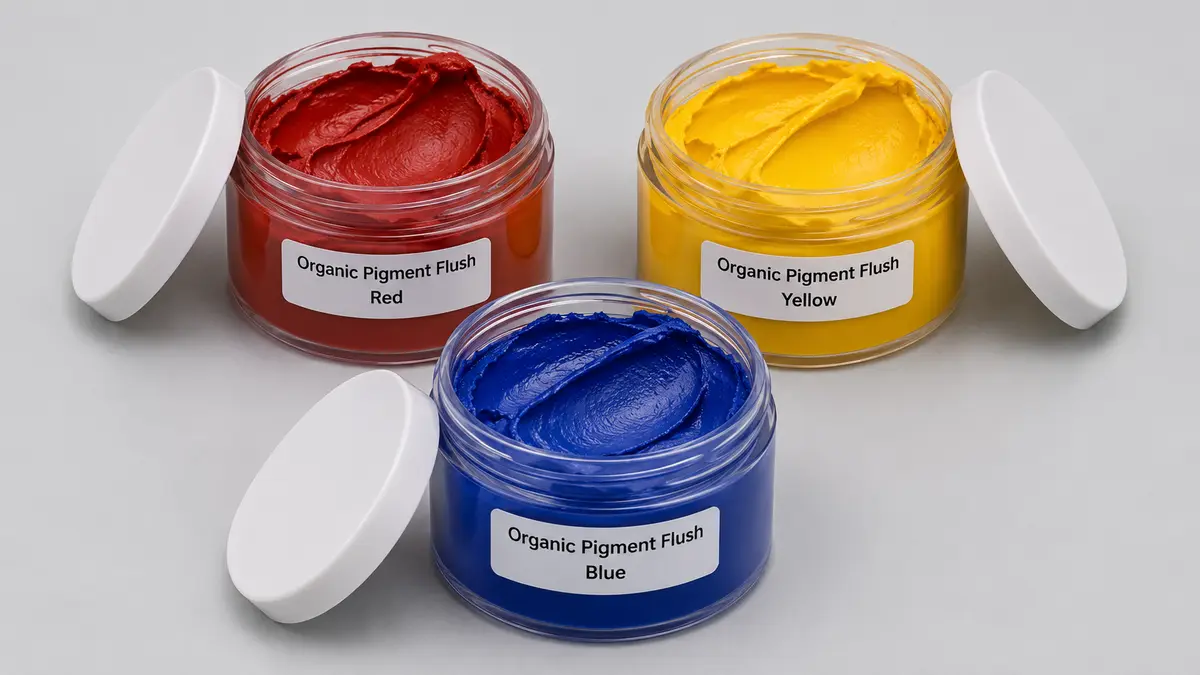
Zero duty on qualifying non-aqueous flushes
Read from the UK Trade Tariff on 2 October 2026, heading 3212 covers pigments dispersed in non-aqueous media in liquid or paste form, of a kind used in manufacturing paints, alongside stamping foils and retail colouring matter. Organic pigment flushes matching that description fall within 3212 90 00 00. The table shows carrier variants sharing this tariff line, rather than separate commodity codes.
The supplied tariff record shows 0% duty for Chinese goods under this line, no anti-dumping or countervailing measure, and no suspension. It attaches an ozone-depleting-substance restriction and waste import and export controls. Confirm their application with your customs broker. Importing regulated ozone-depleting substances into Great Britain requires a licence. If a China shipment is waste subject to notification controls, shipment to England must await consent from the Environment Agency and the other competent authorities involved.
Confirm the commodity code using the full composition, carrier, physical form and intended use. Do not select it from the supplier's description alone. See the wider tinting-paste guide for related preparations.
| Goods | Commodity code | Duty | Anti-dumping or countervailing duty on China |
|---|---|---|---|
| Organic pigment flushes in non-aqueous resin media | 3212 90 00 00 | 0% | None |
Specify the pigment and the flushing medium
A flush transfers pigment from a wet presscake into a non-aqueous vehicle while removing water. Specify the pigment identity, pigment content, carrier resin, oil and solvent composition, residual water, viscosity and grind quality. Agree shade and tinting strength against a retained sample, with the test formulation and mixing method recorded.
Trial the flush in your actual binder before approving it. Check dilution behaviour, gloss, drying and storage stability, rather than judging the colour of the paste alone. Ask the supplier to disclose formulation changes before production.
For Great Britain, ask HSE or your customs broker to confirm the applicable UK REACH registration threshold for each constituent substance; registration is assessed per substance and legal entity. Confirm safety data sheet and language requirements with HSE, and provide hazard labels where required. Chemicals must be labelled and packaged correctly before sale. Check the paperwork against the actual pigment and carrier, using testing and certification support where needed.
Worked duty example
Illustrative example, not a quote: Illustrative order: 400 kg of organic pigment flush in a non-aqueous resin medium under 3212 90 00 00, invoiced at £6,800 free on board, with £700 of freight and insurance to the UK. The customs value is £7,500. Duty at 0% is £0. Import VAT at 20% is charged on the customs value plus duty, £7,500, so it is £1,500. With no duty, the only import tax is the VAT, which a VAT-registered importer can usually reclaim. The import duty and VAT guide explains each step.
Inspection checklist
Colour and strength: compare full-shade and tinted drawdowns with the retained sample in the agreed binder, using the same mixing and application method.
Dispersion and water: check grind quality, residual water and viscosity against the agreed specification; look for specks, hard agglomerates and unstable dilution.
Carrier compatibility: trial the batch in the production formulation and check separation, gloss and drying after dilution.
Packing and identity: inspect drum seals, leaks and corrosion; match batch identifiers to the analysis certificate, labels and safety data sheet.
Working out your own order? Send us the product on WhatsApp and we reply the same working day: WhatsApp us
What goes wrong
A flush can match the reference shade yet have weaker tinting strength, upsetting production recipes. Excess residual water can destabilise the binder, while an incompatible resin or oil causes separation or changes drying. Hard agglomerates leave specks even when the paste looks smooth.
Keep a retained sample from the approved trial and each delivered batch. Record the carrier composition and test method in the purchase specification. Hold a batch that fails the agreed checks while the supplier investigates; do not blend away a problem before identifying its cause.
Cambridge China Bridge sources these products for UK businesses, checking the factory and the documents before shipment. See factory verification. For repeat volumes, see container programmes.
Frequently asked questions
What is the UK import duty on organic pigment flushes from China?
The supplied tariff record shows 0% under 3212 90 00 00, with no anti-dumping or countervailing duty and no suspension. Confirm that the formulation fits this line.
Do organic pigment flushes need UK REACH registration?
For Great Britain, ask HSE or your customs broker to confirm the applicable registration threshold and coverage for each constituent substance. Assess each substance and the importing legal entity, rather than treating the whole flush as a single substance.
What should I specify when buying pigment flushes?
Specify pigment identity and content, resin, oil and solvent composition, residual water, viscosity, grind quality, shade and tinting strength. Approve a trial in your own binder.
Why does a pigment flush separate in my formulation?
The carrier may be incompatible with your binder, or residual water and dispersion may differ from the approved sample. Compare the batch in the agreed formulation before changing the recipe.