Sourcing orange liqueurs from China
Orange liqueurs from China in containers holding 2 litres or less carry 0% UK customs duty in the supplied tariff data. Alcohol Duty is separate; confirm alcoholic-strength labelling requirements with the relevant food authority. Specify the orange flavour, sweetness and colour before approving a production sample. Cambridge China Bridge sources orange liqueurs.
Buying from China for a business? How our UK China sourcing agent service works · China sourcing agent for small orders and first imports
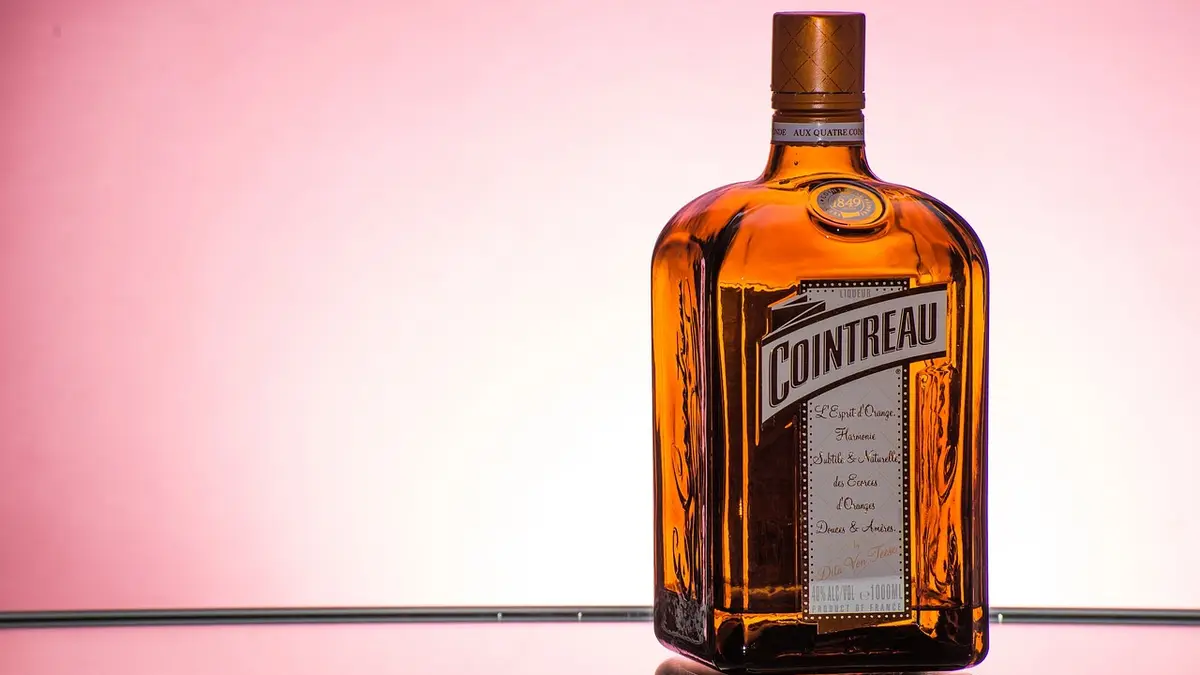
Orange liqueur customs duty and separate Alcohol Duty
Read from the UK Trade Tariff on 7 October 2026, heading 2208 covers spirits, liqueurs and other spirituous beverages, including orange liqueurs. The supplied liqueur line, 2208 70 10 00, covers containers holding 2 litres or less and carries 0% customs duty for goods from China. It lists no anti-dumping or countervailing duty and no suspension. The table shows product variants sharing this line.
Alcohol Duty is charged separately on pure alcohol. Import VAT at 20% applies to the value plus customs duty and Alcohol Duty. The tariff attaches veterinary control and organic import control. For the veterinary control, ask your customs broker to confirm the requirement for the exact recipe from China before ordering, particularly if it contains cream or other animal ingredients. Organic-labelled products need an inspection certificate; this is issued by the exporter's control body.
Confirm the recipe and container capacity through our commodity code guide. The supplied data does not include a liqueur line for larger containers, so do not extend this rate to bulk packs without checking. See the lychee liqueur guide for the wider heading and the duty and VAT guide for costing.
| Goods | Commodity code | Duty | Anti-dumping or countervailing duty on China |
|---|---|---|---|
| Clear orange liqueur, containers holding 2 litres or less | 2208 70 10 00 | 0% | None |
Specify orange flavour, sweetness and colour
Specify sweet-orange or bitter-orange character, peel flavour or distillate, alcoholic strength, sweetness, colour and clarity. Request the complete recipe, including colours, sweeteners and any dairy ingredients. Agree a retained sample and compare production samples both neat and diluted in the buyer's intended cocktail.
Agree bottle capacity, closure, tamper seal, label artwork and carton dividers. The label must display the name under which the spirit is sold. Confirm alcoholic strength, net quantity, the UK business name and address, and allergen information with the relevant food authority. Check Alcohol Wholesaler Registration Scheme approval requirements before wholesale sales, as described in the site's spirits guide.
Worked duty example
Illustrative example, not a quote: Illustrative order: 3,000 bottles of 500 ml orange liqueur; illustrative FOB value and freight, not a quotation under 2208 70 10 00, invoiced at £12,000 free on board, with £1,500 of freight and insurance to the UK. The customs value is £13,500. Duty at 0% is £0. Import VAT at 20% is charged on the customs value plus duty, £13,500, so it is £2,700. With no duty, the only import tax is the VAT, which a VAT-registered importer can usually reclaim. The import duty and VAT guide explains each step. HMRC's VAT Notice 701/14 lists alcoholic beverages among the exceptions that are standard-rated even though most food is zero-rated, so the 20% VAT shown applies.
Inspection checklist
Flavour: compare orange aroma, peel bitterness, sweetness and aftertaste with the approved sample.
Analysis: test alcoholic strength against the label and specification; check sugar, colour and agreed contaminant limits against the batch analysis.
Bottles: check fill quantity, cap security, seals, leaks, glass damage and carton dividers on arrival.
Labels and documents: match product name, strength, allergens and UK business details to the approved artwork; reconcile batch references with the analysis and import paperwork.
Working out your own order? Send us the product on WhatsApp and we reply the same working day: WhatsApp us
What goes wrong
A sample can taste different from the production batch if the factory changes orange flavouring, sugar or colouring. Check for harsh peel bitterness, weak aroma and cloudiness after dilution. Leaking closures can leave sticky bottles and damaged labels; weak dividers allow glass breakage.
A customs-duty-only costing leaves out Alcohol Duty and the VAT charged on it. Unreviewed artwork or a cream-containing recipe can also create problems that a flavour sample cannot resolve. Settle the duty route and tariff controls before dispatch, and use the inspection guide to document checks.
Cambridge China Bridge sources these products for UK businesses, checking the factory and the documents before shipment. See factory verification. For repeat volumes, see container programmes.
Frequently asked questions
What is the UK import duty on orange liqueurs from China?
The supplied tariff line 2208 70 10 00 carries 0% customs duty for containers holding 2 litres or less. Alcohol Duty and import VAT are separate.
Do orange liqueurs pay Alcohol Duty even with no customs duty?
Yes. Alcohol Duty is charged separately on pure alcohol. Confirm the alcoholic strength and duty route before costing the order.
Can I import organic orange liqueur from China?
Organic-labelled products need an inspection certificate. The exporter's control body issues it. Confirm the organic import arrangements before ordering.
What should I check in an orange liqueur sample?
Compare orange aroma, sweetness, peel bitterness, colour and clarity, including after dilution. Check the measured alcoholic strength and whether the bottle closure leaks.