Sourcing oat bran from China
UK duty on oat bran from China is £36 to £74 per 1,000 kg, depending on starch and sieve or ash results. Food imports must meet the same or equivalent hygiene standards as food produced in Great Britain. Specify food or feed use before approving the batch. Cambridge China Bridge sources oat bran.
Buying from China for a business? How our UK China sourcing agent service works · China sourcing agent for small orders and first imports
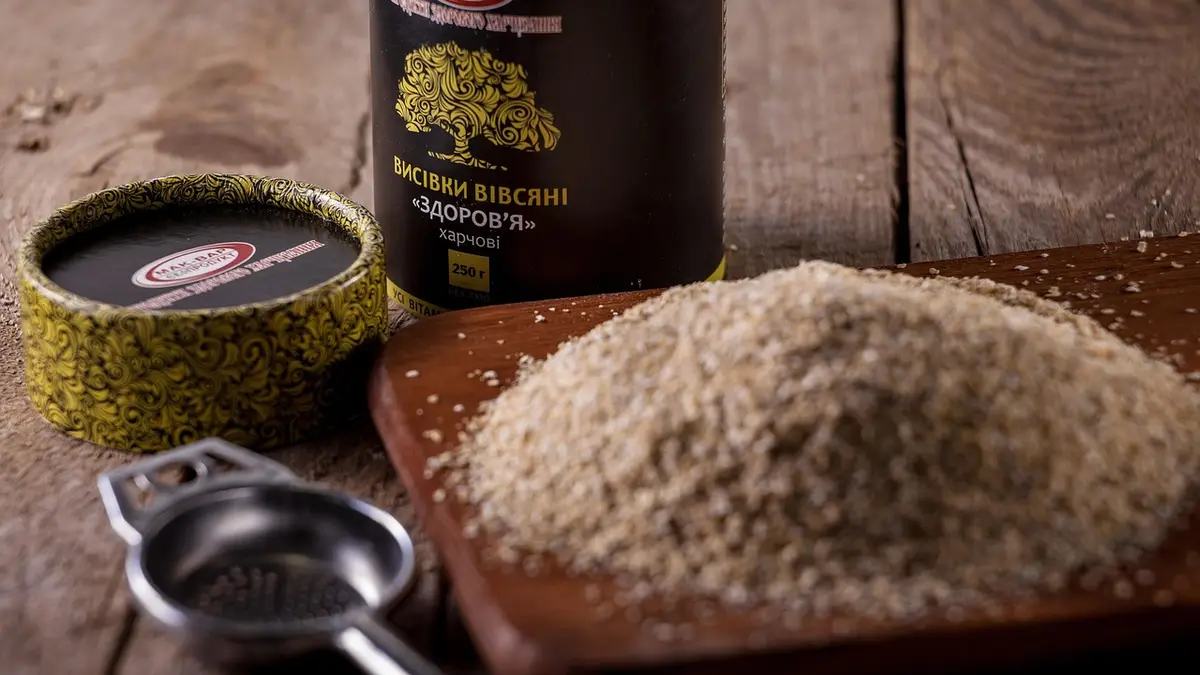
Oat bran duty depends on laboratory results
Read from the UK Trade Tariff on 29 September 2026, heading 2302 covers bran and other milling residues, including pellets. Oat bran falls within the other-cereal lines: 2302 40 10 00 carries £36 per 1,000 kg and 2302 40 90 00 carries £74 per 1,000 kg. The supplied record lists no anti-dumping or countervailing duties and no suspensions. Both oat-bran rates are weight-based, so a percentage-duty worked example does not apply.
The tariff attaches organic import and waste import controls, plus an export waste control for later exports. Ask your broker and organic control body to confirm the UK establishment and certification requirements for the importer. Confirm inspection certificates with your broker; the exporter’s control body issues the certificate in the exporting country. Waste shipment controls apply only where the material is waste. Ask your broker to confirm waste status and any notification requirements before shipment.
The lower-duty line requires starch not exceeding 28% by weight, plus the specified sieve or ash condition. Ask a laboratory to assess the complete tariff wording. Confirm the commodity code from the milling process and batch results. Loose and pelleted forms share these tariff splits; the table shows both purchasing forms. See the bran and milling residues guide for the wider heading.
| Goods | Commodity code | Duty | Anti-dumping or countervailing duty on China |
|---|---|---|---|
| Loose oat bran meeting the starch and sieve or ash tests | 2302 40 10 00 | £36.00 per 1000 kg | None |
| Other loose oat bran | 2302 40 90 00 | £74.00 per 1000 kg | None |
Specify the oat milling fraction and intended use
State that you need oat bran, and describe how the mill separates it from flour and husk. Specify loose or pelleted material, particle size, moisture, protein, fibre, residual oil, starch and ash. Agree heat treatment, storage conditions and the test methods used to compare samples with the shipment.
For food use, imported cereal products must meet the same or equivalent food hygiene standards and procedures as those produced in Great Britain. For retail packs with an ingredients list, emphasise the oat ingredient as an allergen. Ask for the mill’s handling arrangements for wheat and barley, and agree contaminant testing through testing and certification support.
For feed use, confirm applicable feed business registration, labelling and undesirable substance requirements with the relevant authority. Keep food and feed specifications separate. Match each batch analysis report to the lot being purchased, rather than accepting a report for a previous production run.
Inspection checklist
Identity: compare milling fraction, colour, particle size and loose or pelleted form with the approved sample; investigate excess flour, husk or grit.
Analysis: sample the shipment independently and compare moisture, fibre, protein, oil, starch and ash with the contract and tariff classification brief.
Condition: check for damp bags, caking, insects, mould, heating and rancid odours; keep affected stock separate while investigating.
Packs and records: check bag integrity, net weight, batch identification and matching reports; review food allergen wording or feed declarations and any organic documents.
What goes wrong
A supplier may approve a coarse bran sample but ship a finer fraction containing more flour. That can change starch content, recipe performance and tariff classification. Agree representative sampling using the quality inspection guide, and retain loading samples for comparison on arrival.
Moisture ingress can cause caking and mould, while poor storage can leave an unacceptable odour. Shared milling equipment can also introduce unwanted cereal material. Investigate differences before releasing the batch, and resolve organic paperwork before dispatch.
Cambridge China Bridge sources these products for UK businesses, checking the factory and the documents before shipment. See factory verification. For repeat volumes, see container programmes.
Frequently asked questions
What is the UK import duty on oat bran from China?
The supplied oat-bran lines carry £36 or £74 per 1,000 kg, depending on starch and sieve or ash results. No anti-dumping or countervailing duties or suspensions are listed.
Is oat bran duty a percentage of the invoice?
No. Both relevant lines use duty per 1,000 kg. Confirm the applicable line and shipment weight with your customs broker.
What should I check before buying organic oat bran?
Confirm UK importer certification and inspection certificates with your broker and organic control body. The exporter’s control body issues the certificate in the exporting country.
Can I use feed-grade oat bran in food?
A feed specification does not establish suitability for food. Agree a food specification, hygiene evidence, contaminant testing and appropriate allergen labelling before ordering.