Sourcing naphthalene diisocyanate from China
Naphthalene diisocyanate from China carries 0% to 6% UK duty: the suspension covers the named substance at at least 90% purity, subject to its exclusions. For supply in Great Britain, the importer must meet chemical classification, labelling and packaging duties. Cambridge China Bridge sources naphthalene diisocyanate.
Buying from China for a business? How our UK China sourcing agent service works · China sourcing agent for small orders and first imports
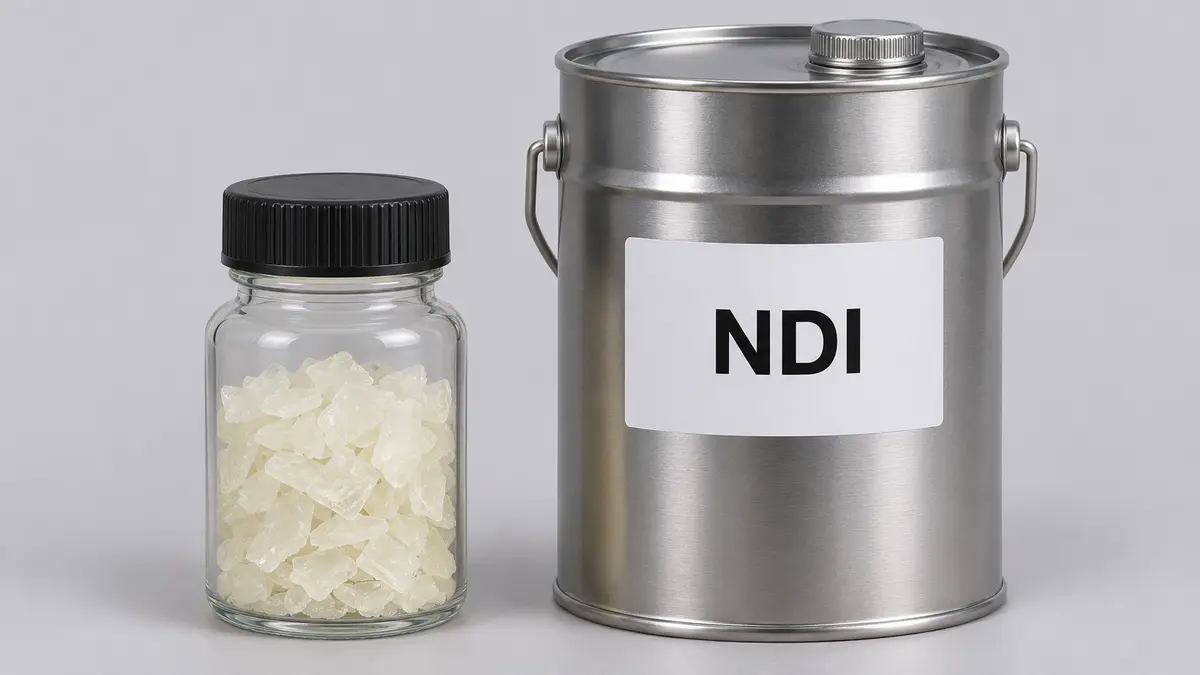
Naphthalene diisocyanate duty and purity
Read from the UK Trade Tariff on 1 October 2026, heading 2929 covers compounds with other nitrogen function. Naphthalene diisocyanate sits within the residual isocyanate line 2929 10 00 90. The supplied tariff data has only this relevant commodity line, so the table uses it without adding unrelated chemicals.
The normal China duty is 6%. The autonomous suspension is 0% for the named naphthylene diisocyanate, CAS RN 3173-72-6, with purity by weight of at least 90%. Its footnote excludes mixtures, preparations and products made up of different components containing the substance. No anti-dumping or countervailing duty is recorded. The tariff also attaches an export control for waste. Waste shipment controls apply only when the material is waste; confirm any waste consignment with your customs broker.
Confirm identity, purity and whether the shipment is a substance or preparation before claiming suspension. Use our commodity-code guide and wider isocyanates guide. A shared commodity code does not make every product eligible for relief.
| Goods | Commodity code | Duty | Anti-dumping or countervailing duty on China |
|---|---|---|---|
| Naphthalene diisocyanate, including the named substance eligible for suspension | 2929 10 00 90 | 6% | None |
Specify the substance and batch acceptance tests
Identify naphthalene diisocyanate by chemical name and CAS RN 3173-72-6 rather than a supplier's trade name alone. Agree purity, isomer identity, isocyanate-group content, acidity, hydrolysable chlorine, colour and the methods used to measure them. Request a certificate of analysis for the actual shipment batch and agree sealed packing, storage conditions and remaining shelf life.
Obtain confirmation of the arrangement for your substance and supply chain before ordering.
The importer must classify, label and package chemicals for the Great Britain market. Classification and labelling need scientific competence. Hazardous chemicals supplied for workplace use need safety data sheets. Employers must ensure successful completion of diisocyanate safe-use training before use; agree the applicable training arrangements before a production trial.
Worked duty example
Illustrative example, not a quote: Illustrative trial consignment of unblended naphthalene diisocyanate below 90% purity under 2929 10 00 90, invoiced at £4,000 free on board, with £980 of freight and insurance to the UK. The customs value is £4,980. Duty at 6% is £298.80. Import VAT at 20% is charged on the customs value plus duty, £5,278.80, so it is £1,055.76. Import taxes total £1,354.56; a VAT-registered importer can usually reclaim the VAT, so the lasting cost is the £298.80 of duty. The import duty and VAT guide explains each step.
Inspection checklist
Identity: match the purchase specification, container labels, safety data sheet and batch certificate to the same chemical and batch.
Analysis: independently check purity and isocyanate-group content against agreed methods. Require evidence supporting any suspension claim.
Packing: check seals, container damage and signs of moisture ingress. Compare the journey and warehouse conditions with the supplier's written storage instructions.
Release: keep suspect material apart until laboratory results and document discrepancies are resolved. Plan sampling with the people responsible for chemical safety; see quality inspection explained.
Working out your own order? Send us the product on WhatsApp and we reply the same working day: WhatsApp us
What goes wrong
A quotation says naphthalene diisocyanate, but the shipment is a formulated product or its identity and purity are poorly documented. The buyer then cannot substantiate the suspension claim. Moisture contamination and inconsistent analysis can also leave a batch unsuitable for the intended process.
Agree acceptance tests before dispatch and repeat critical checks on arrival. Do not treat a safety data sheet as a workplace risk assessment. Settle registration coverage, competent labelling review and safe-use training before opening material for a trial.
Cambridge China Bridge sources these products for UK businesses, checking the factory and the documents before shipment. See factory verification. For repeat volumes, see container programmes.
Frequently asked questions
What is the UK import duty on naphthalene diisocyanate from China?
The normal duty is 6% under 2929 10 00 90. The named substance at at least 90% purity has a 0% suspension, subject to exclusions. No anti-dumping or countervailing duty is recorded.
Does every naphthalene diisocyanate order qualify for zero duty?
No. Match the named chemical and purity condition, and check the exclusion for mixtures, preparations and products made up of different components. A supplier's product name alone is insufficient.
Do I need UK REACH registration to import it?
For Great Britain, confirm with HSE whether your annual imports of the substance bring UK REACH registration responsibilities and whether the supplier's only representative can cover your imports.
What should I check before accepting a batch?
Match chemical identity and batch records, verify purity and isocyanate-group content, inspect seals and storage records, and resolve discrepancies before releasing material for use.