Sourcing n-decane from China
N-decane from China carries 0% UK import duty under 2901 10 00 00, with no listed trade remedy. Classification and labelling must be carried out by someone with scientific competence. Check UK REACH coverage and agree batch purity, water and residue limits before buying. Cambridge China Bridge sources n-decane.
Buying from China for a business? How our UK China sourcing agent service works · China sourcing agent for small orders and first imports
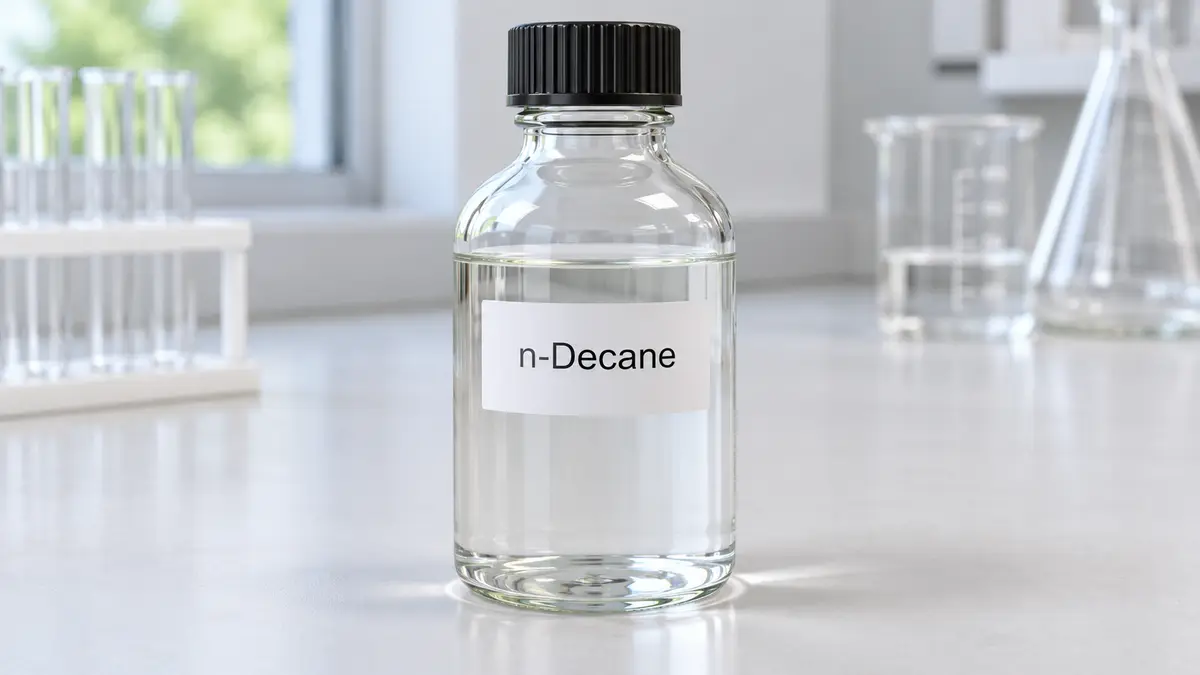
N-decane duty and tariff controls
Read from the UK Trade Tariff on 1 October 2026, heading 2901 covers acyclic hydrocarbons. N-decane is a saturated acyclic hydrocarbon, within 2901 10 00 00. The supplied tariff record shows 0% duty for goods from China, with no listed anti-dumping or countervailing duty and no suspension. The table shows different purchasing specifications under the same commodity line.
The UK Trade Tariff attaches an “Export control - Waste” measure to this line. Confirm its relevance with your customs broker, particularly for spent solvent or material described as waste. For shipments into England under waste notification controls, the competent authorities of destination, dispatch and transit must consent before shipment.
Confirm the commodity code using the composition and batch analysis, especially if the supplier offers a hydrocarbon blend rather than n-decane. See the n-heptane guide for related products within the wider heading.
| Goods | Commodity code | Duty | Anti-dumping or countervailing duty on China |
|---|---|---|---|
| N-decane for industrial solvent use | 2901 10 00 00 | 0% | None |
Specify n-decane identity and impurities
Write n-decane into the purchase specification rather than accepting “decane solvent” alone. Agree the intended use, n-decane content, other hydrocarbons, aromatics, sulphur, water, colour and non-volatile residue. Set acceptance limits and analytical methods with your laboratory, and ask for a certificate of analysis for the actual production batch.
For analytical work, ask for the chromatogram and identification method as well as the headline purity result. Agree container material, closure, sampling arrangements and whether the material is virgin or recovered. Check a production sample against your application before approving the shipment.
For Great Britain, confirm with HSE whether UK REACH registration is required for your planned annual imports and whether an only representative can cover your supply arrangement. A safety data sheet is required when a hazardous chemical is supplied for workplace use. Request an English safety data sheet before ordering.
Worked duty example
Illustrative example, not a quote: One tonne of industrial n-decane in drums, illustrative only under 2901 10 00 00, invoiced at £3,200 free on board, with £980 of freight and insurance to the UK. The customs value is £4,180. Duty at 0% is £0. Import VAT at 20% is charged on the customs value plus duty, £4,180, so it is £836. With no duty, the only import tax is the VAT, which a VAT-registered importer can usually reclaim. The import duty and VAT guide explains each step.
Inspection checklist
Identity: compare the batch chromatogram and n-decane result with the agreed specification; check for other hydrocarbons rather than accepting total hydrocarbon purity.
Water and residue: test representative samples for water, colour and evaporation residue against the agreed limits, especially where solvent cleanliness affects your process.
Containers: check seals, closures, leaks, corrosion and batch markings; obtain cleaning records for reused containers and investigate any unexplained change in appearance.
Documents: reconcile the certificate of analysis, safety data sheet, invoice and container batch references. Agree sampling and release checks through the quality inspection guide.
Working out your own order? Send us the product on WhatsApp and we reply the same working day: WhatsApp us
What goes wrong
An order described only as “decane” can leave the intended composition unclear. A purity figure without its test method can conceal a mismatch between the supplier's result and your acceptance test. Water, evaporation residue and contamination from reused containers can also make an otherwise acceptable batch unsuitable for your application.
Keep the approved sample, specification and production-batch results together. Hold discrepant containers pending investigation rather than blending them into accepted stock. Check chemical documentation before loading, and confirm waste controls before arranging a return shipment of rejected material.
Cambridge China Bridge sources these products for UK businesses, checking the factory and the documents before shipment. See factory verification. For repeat volumes, see container programmes.
Frequently asked questions
What is the UK import duty on n-decane from China?
The supplied tariff record, read on 1 October 2026, shows 0% duty under 2901 10 00 00, with no listed anti-dumping or countervailing duty.
Do I need UK REACH registration for n-decane?
For Great Britain, confirm with HSE whether registration is required for your planned annual imports and whether an only representative can cover your supply arrangement. Confirm coverage for your substance and supply arrangement before ordering.
What should an n-decane certificate of analysis show?
Ask for batch identity, n-decane content, other hydrocarbons, water, colour and non-volatile residue, with the agreed methods. Add aromatics and sulphur where relevant to your application.
Is a safety data sheet needed when selling n-decane?
Obtain the sheet for the actual product and check it against the batch identity and intended use.