Sourcing methylene urea fertiliser from China
Methylene urea fertiliser entered under the residual nitrogen-fertiliser line pays 6% UK duty from China; high-ammonium-nitrate blends can reach 6.50%. Confirm the formulation and fertiliser labelling route before ordering. Total nitrogen alone does not establish release performance. Cambridge China Bridge sources methylene urea fertiliser.
Buying from China for a business? How our UK China sourcing agent service works · China sourcing agent for small orders and first imports
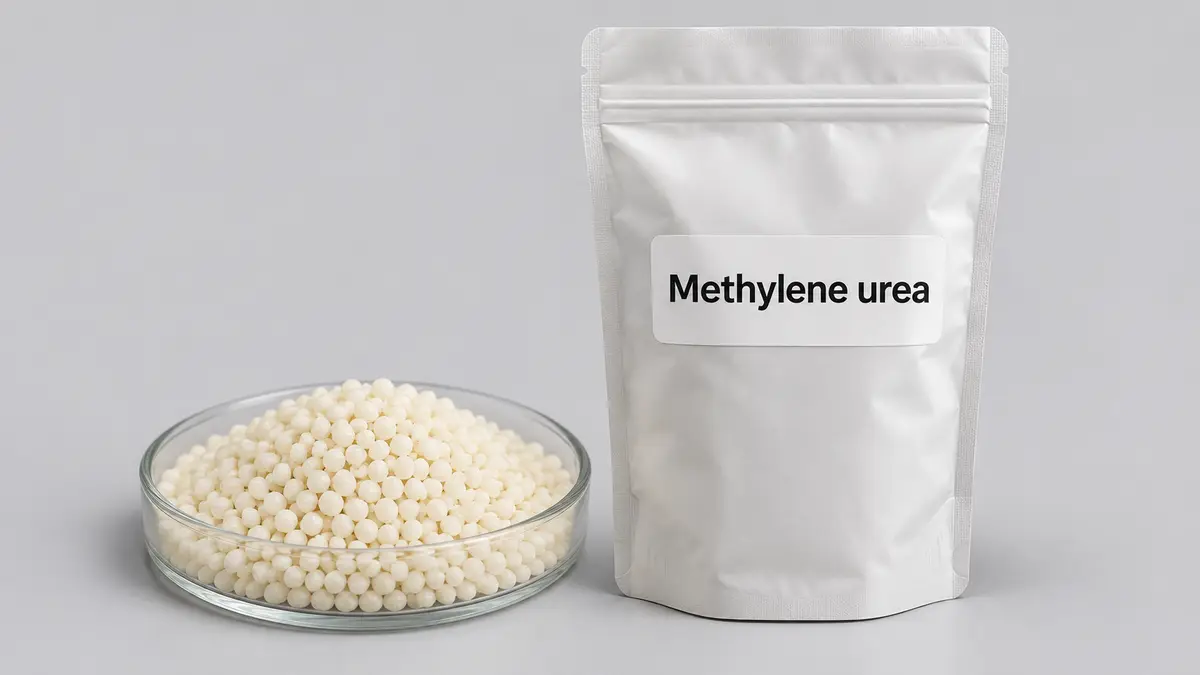
Duty depends on the complete formulation
Read from the UK Trade Tariff on 3 October 2026, heading 3102 covers mineral or chemical nitrogenous fertilisers. The supplied tariff data does not name methylene urea. The table shows product forms against the same candidate residual line, rather than separate tariff subdivisions. Confirm that each formulation belongs in that line before using its duty rate.
Code 3102 90 00 90 carries 6% duty for goods from China, with no listed anti-dumping or countervailing duty, suspension or attached import control. The residual solid-fertiliser line containing more than 80% ammonium nitrate carries 6.50% and an ammonium nitrate import control. If ordering such a blend, confirm the certificate and shipment requirements with your customs broker before dispatch.
Give your broker the composition, nitrogen analysis, physical form and pack size to confirm the commodity code. For other products within the heading, see urea and nitrogen fertilisers. Do not assume that an ordinary urea suspension applies to methylene urea fertiliser.
| Goods | Commodity code | Duty | Anti-dumping or countervailing duty on China |
|---|---|---|---|
| Methylene urea fertiliser granules, subject to classification | 3102 90 00 90 | 6% | None |
Specify nitrogen fractions and release evidence
Ask the factory to identify the material sold as methylene urea and provide its complete composition. Specify total nitrogen, free urea nitrogen, cold-water-soluble nitrogen and nitrogen soluble only in hot water, with the analytical methods stated. Agree moisture, particle size, dust and packing criteria. For suspensions, also agree settling, redispersion and compatibility checks.
Ask for release-test results with the temperature, moisture conditions and method recorded. Match the test conditions to the intended growing medium and use. A total-nitrogen result should not replace evidence supporting the claimed release behaviour.
For fertilisers sold in Great Britain, confirm the applicable type and nutrient declaration requirements with the relevant fertiliser authority. Agree the label against the chosen legal route before printing. Separately, assess whether the imported substances require UK REACH registration; HSE advises considering registration when importing a substance for the first time.
Worked duty example
Illustrative example, not a quote: Illustrative order: 25 tonnes of methylene urea fertiliser granules; illustrative FOB and freight values, subject to confirmation of classification under 3102 90 00 90, invoiced at £15,000 free on board, with £2,500 of freight and insurance to the UK. The customs value is £17,500. Duty at 6% is £1,050. Import VAT at 20% is charged on the customs value plus duty, £18,550, so it is £3,710. Import taxes total £4,760; a VAT-registered importer can usually reclaim the VAT, so the lasting cost is the £1,050 of duty. The import duty and VAT guide explains each step.
Inspection checklist
Identity: compare the batch analysis and composition with the approved specification, including any ordinary urea or other nitrogen fertiliser added.
Nitrogen fractions: arrange independent sampling and laboratory checks using the agreed methods; compare the soluble fractions as well as total nitrogen.
Physical condition: check granules for dust, breakage and caking, or suspensions for settling and redispersion. Repeat these checks on arrival.
Packing and labels: inspect liners, seams, moisture damage, batch identification and the agreed nutrient declaration. Use the quality inspection guide to prepare the inspection brief.
Working out your own order? Send us the product on WhatsApp and we reply the same working day: WhatsApp us
What goes wrong
A shipment can meet total nitrogen while differing from the approved sample in free urea or soluble nitrogen fractions. That leaves the buyer without evidence for the promised release behaviour. Other problems include dusty granules, moisture-related caking, leaking bags and suspensions that are difficult to redisperse.
Avoid accepting a generic nitrogen certificate as the complete specification. Retain representative samples, agree the test methods before production and compare the shipped batch with the approved material. Settle composition, classification and label wording before shipment.
Cambridge China Bridge sources these products for UK businesses, checking the factory and the documents before shipment. See factory verification. For repeat volumes, see container programmes.
Frequently asked questions
What is the UK import duty on methylene urea fertiliser from China?
If classified under 3102 90 00 90, the supplied tariff data shows 6%, with no listed trade remedy or suspension. Confirm the formulation and code before ordering.
Is methylene urea fertiliser classified as ordinary urea?
Do not decide from the product name. Give your broker the full composition, nitrogen fractions, physical form and pack size to confirm the classification.
How do I check a methylene urea slow-release claim?
Request nitrogen-fraction analysis and release-test evidence with the method and conditions stated. Compare the production batch with the approved sample.
Can I sell methylene urea fertiliser with the Chinese label?
Check and revise it against the applicable GB fertiliser rules. Confirm the fertiliser type and nutrient declaration requirements for the chosen legal route with the relevant fertiliser authority.