Sourcing men's woven singlets from China
Men's woven singlets from China carry a flat 12% UK duty across the listed materials, with no anti-dumping or countervailing duty listed. Fibre content must be labelled; confirm suitable fibre names with Trading Standards. Other-textile lines also carry conditional CITES controls. Cambridge China Bridge sources men's woven singlets.
Buying from China for a business? How our UK China sourcing agent service works · China sourcing agent for small orders and first imports
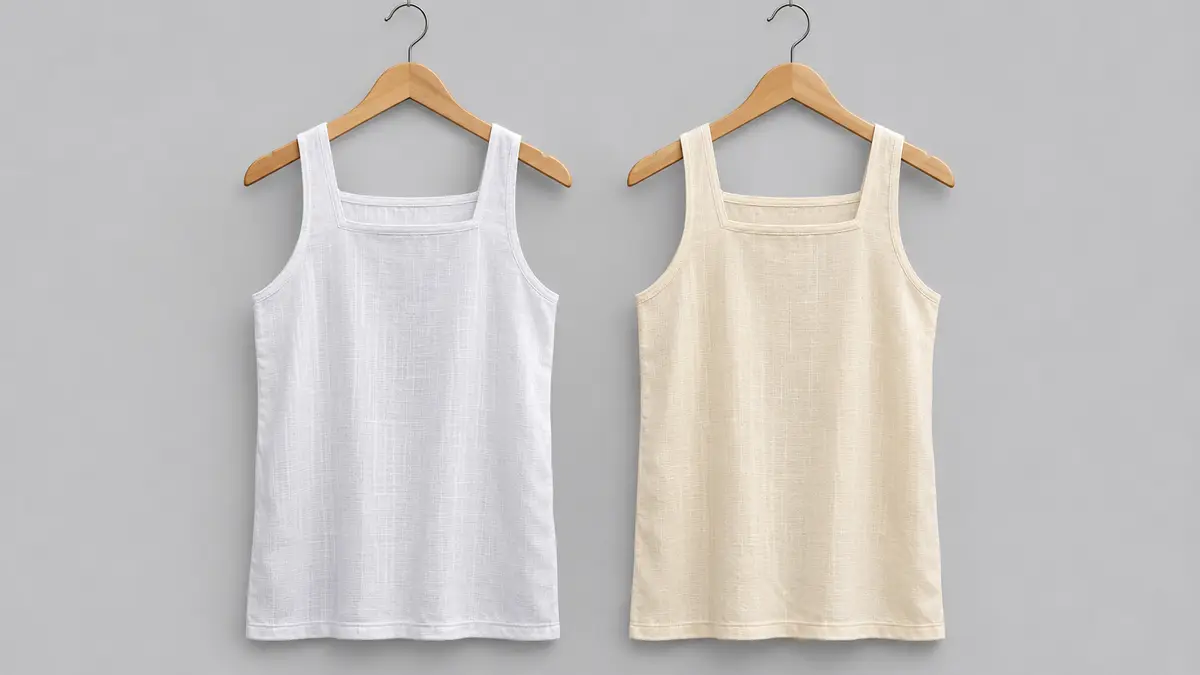
A flat 12% duty on woven singlets
Read from the UK Trade Tariff on 2 October 2026, heading 6207 covers men's or boys' singlets and other vests alongside woven underwear, nightwear and robes. This guide focuses on men's woven underwear singlets. The relevant lines distinguish cotton, man-made fibres and other textile materials, with separate hand-printed batik lines.
All supplied lines carry 12% duty for goods from China, with no anti-dumping or countervailing duty or tariff suspension listed. The UK Trade Tariff attaches CITES import and export controls to 6207 99 90 91 and 6207 99 90 99. If the garment contains a CITES-listed specimen, a permit is required for import into Great Britain. Specimens include parts, derivatives and items made from listed animals or plants. Confirm the applicable China shipment paperwork with your customs broker.
Confirm the commodity code using a sample, fabric construction, fibre composition and garment design. Do not select a woven code from the supplier's use of the word 'vest' alone. For the wider heading, see men's woven pyjamas and dressing gowns.
| Goods | Commodity code | Duty | Anti-dumping or countervailing duty on China |
|---|---|---|---|
| Men's woven singlets of cotton, other than hand-printed batik | 6207 91 00 99 | 12% | None |
| Men's woven singlets of man-made fibres | 6207 99 10 00 | 12% | None |
| Men's woven singlets of other textiles, other than hand-printed batik | 6207 99 90 99 | 12% | None |
| Men's woven singlets of cotton, hand-printed by the batik method | 6207 91 00 91 | 12% | None |
Specify woven fabric, armholes and fit
Specify the woven fabric, fibre composition, fabric weight, colour, opacity and finish. Agree chest width, body length, shoulder width, armhole depth and neckline shape against an approved sample. Allow enough room for movement in the woven fabric, and specify binding material, seam construction and acceptable measurement tolerances.
Agree care instructions and size markings before production. Consumer products sold in Great Britain must be safe in normal or reasonably foreseeable use. For these skin-contact garments, include checks for rough binding, abrasive seam ends, loose trims and colour transfer in your inspection brief.
Worked duty example
Illustrative example, not a quote: Illustrative order: 1,000 men's cotton woven singlets; FOB and freight values are illustrative. under 6207 91 00 99, invoiced at £6,000 free on board, with £800 of freight and insurance to the UK. The customs value is £6,800. Duty at 12% is £816. Import VAT at 20% is charged on the customs value plus duty, £7,616, so it is £1,523.20. Import taxes total £2,339.20; a VAT-registered importer can usually reclaim the VAT, so the lasting cost is the £816 of duty. The import duty and VAT guide explains each step.
Inspection checklist
Fit: measure garments across the ordered sizes, compare armhole depth and shoulder width with the approved sample, and check that the neckline sits evenly.
Fabric: compare weave, weight, opacity and colour with the sample; wash according to the proposed care instructions and check shrinkage, distortion and colour transfer.
Seams and binding: check shoulder and side seams for slippage, skipped stitches and puckering; feel neckline and armhole edges for roughness.
Labels and packing: check fibre declarations against the agreed material, size markings against measurements, and carton contents against the size breakdown. Check incoming stock for dampness or mould. See quality inspection explained.
Working out your own order? Send us the product on WhatsApp and we reply the same working day: WhatsApp us
What goes wrong
A sample can fit comfortably while bulk singlets restrict movement because the chest is narrower or the armholes are shallower. Uneven binding twists the neckline, and smooth woven fabric can slip at the seams. Washing can shorten the body or distort the hem. Compare bulk garments with the approved sample before accepting the shipment.
A substituted fabric can change feel, shrinkage and fibre labelling together. Keep the approved fabric and label artwork with the order specification, and investigate mismatches before releasing stock for sale. Agree how the supplier will handle repairs, replacements or rejected goods.
Cambridge China Bridge sources these products for UK businesses, checking the factory and the documents before shipment. See factory verification. For own-brand ranges, see sourcing for brands.
Frequently asked questions
What is the UK import duty on men's woven singlets from China?
The supplied tariff facts show 12% across the relevant cotton, man-made-fibre and other-textile lines, with no anti-dumping or countervailing duty or tariff suspension listed.
What labels do men's woven singlets need?
Agree care instructions and size markings, and check that the bulk garment matches the declared composition.
Do CITES controls apply to every woven singlet?
The tariff attaches controls to the other-textile lines. CITES concerns listed specimens, including parts and derivatives. Confirm the material and applicable import paperwork with your customs broker.
What should I check when woven singlets arrive?
Check chest and armhole measurements, binding comfort, seam slippage, wash shrinkage, fibre labels and the size breakdown. Compare the fabric with the approved sample and inspect for dampness or mould.