Sourcing men's woven school trousers from China
Men's woven school trousers from China carry 12% UK duty across the selected cotton, synthetic, artificial-fibre and wool lines, with no anti-dumping or countervailing duty listed. Fibre-content labels are required for sale in Great Britain. Specify school colour, fit and wash performance. Cambridge China Bridge sources men's woven school trousers.
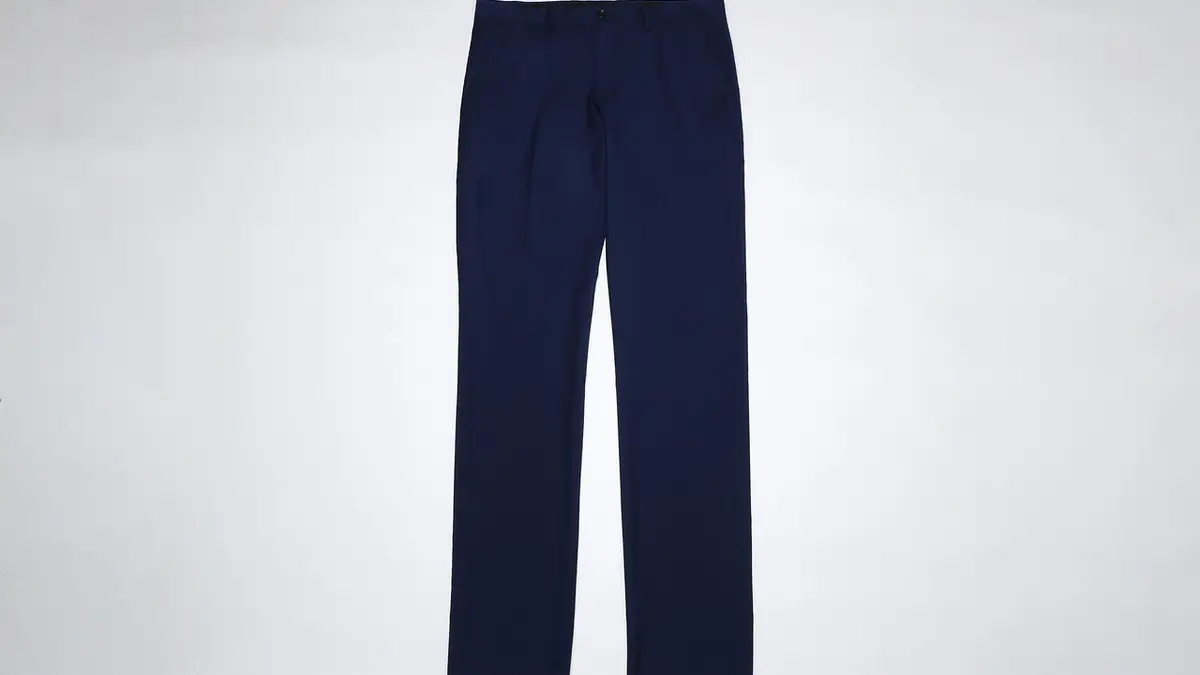
School trouser lines carry 12% duty
Read from the UK Trade Tariff on 30 September 2026, heading 6203 covers men's or boys' suits, ensembles, jackets, blazers, trousers, bib and brace overalls, breeches and shorts other than swimwear. This guide selects woven school trouser lines by textile material. All selected lines carry 12% duty for goods from China. The supplied facts list no anti-dumping or countervailing duty and no suspensions for these lines.
The selected lines attach cat and dog fur and seal-product import controls; the wool line also attaches CITES controls. Cat and dog fur, including products made from it, is banned from import. Seal products brought into Great Britain for trade must have a seal catch certificate. For any protected animal material, confirm the species and CITES permit requirements with your customs broker. For a China order containing seal material, confirm eligibility with the broker before ordering.
Confirm the commodity code using the sample, woven construction and fibre composition. Do not choose an occupational line simply because the trousers form part of a uniform. For wider heading coverage, see woven work trousers.
| Goods | Commodity code | Duty | Anti-dumping or countervailing duty on China |
|---|---|---|---|
| Men's woven school trousers of synthetic fibres, other than occupational | 6203 43 19 00 | 12% | None |
| Men's woven cotton school trousers, other than denim or cut corduroy | 6203 42 35 00 | 12% | None |
| Men's woven school trousers of wool or fine animal hair | 6203 41 10 00 | 12% | None |
| Men's woven school trousers of artificial fibres, other than occupational | 6203 49 19 00 | 12% | None |
Specify school colour, waist adjustment and fit
Specify fibre composition, weave, fabric weight, school colour against an approved swatch, stretch and finish. Record waist, seat, rise, inside leg and hem width with agreed tolerances. Set the size breakdown, straight or tapered leg, pleats, belt loops, pocket depth, zip, fastening and any concealed adjustable waistband. Approve fit while sitting, walking and bending, as well as standing.
For sale in Great Britain, the label must show fibre content. Agree label artwork against the actual fabric and provide practical washing instructions. Products should only be sold once compliance with product safety regulations has been demonstrated appropriately. Ask for wash, rubbing, pilling and seam test results tied to the ordered fabric and colour; agree testing through testing and certification.
Worked duty example
Illustrative example, not a quote: Illustrative order: 500 pairs of men's woven synthetic-fibre school trousers under 6203 43 19 00, invoiced at £5,000 free on board, with £800 of freight and insurance to the UK. The customs value is £5,800. Duty at 12% is £696. Import VAT at 20% is charged on the customs value plus duty, £6,496, so it is £1,299.20. Import taxes total £1,995.20; a VAT-registered importer can usually reclaim the VAT, so the lasting cost is the £696 of duty. The import duty and VAT guide explains each step.
Inspection checklist
Colour and fabric: compare production trousers with the approved school swatch, checking shade variation between panels and cartons, fabric weight, surface pilling and colour transfer.
Fit and washing: measure garments across the ordered sizes before and after the agreed wash procedure; check waist adjustment, inside leg, seat room, twisting and crease appearance.
Seams and fastenings: check crotch and seat seams, pocket corners, belt loops, zip operation, waistband button attachment and concealed elastic recovery; look for exposed sharp parts or retained needles.
Labels and packing: match fibre labels, size labels and care instructions to the approved specification; reconcile the size assortment and inspect arrival cartons for dampness. Use the agreed sample at quality inspection.
Working out your own order? Send us the product on WhatsApp and we reply the same working day: WhatsApp us
What goes wrong
A school colour approved on a small swatch can vary across bulk dye lots. Trousers may fit at the waist but pull across the seat when sitting, while adjustable elastic can roll or lose recovery. Washing can shorten the legs, twist seams or leave a shiny surface. Weak pocket corners and crotch stitching may only become apparent during wear.
Keep an approved garment and written measurement tolerances rather than relying on a size name. Agree the wash procedure and acceptance checks before cutting. On arrival, hold pieces with mismatched labels, failed measurements or damaged fastenings for review, and record defects by carton and size.
Cambridge China Bridge sources these products for UK businesses, checking the factory and the documents before shipment. See factory verification. For own-brand ranges, see sourcing for brands.
Frequently asked questions
What is the UK import duty on men's school trousers from China?
The selected woven school trouser lines carry 12% duty for goods from China. The supplied tariff facts list no anti-dumping or countervailing duty and no suspensions for these lines.
Which commodity code should I use for school trousers?
Confirm woven construction and fibre composition against the finished sample. The selected lines distinguish cotton, synthetic fibres, artificial fibres and wool or fine animal hair.
Do school trousers need a fibre label?
Yes. For sale in Great Britain, the label must show fibre content. Match the artwork to the actual fabric rather than copying a label from a previous order.
What should I check on a school trouser sample?
Check school colour, waist adjustment, seat room when sitting, inside leg, pocket depth, zip and crotch seams. Wash the sample using the agreed procedure, then remeasure and check colour transfer and twisting.