Sourcing MV load-break switches from China
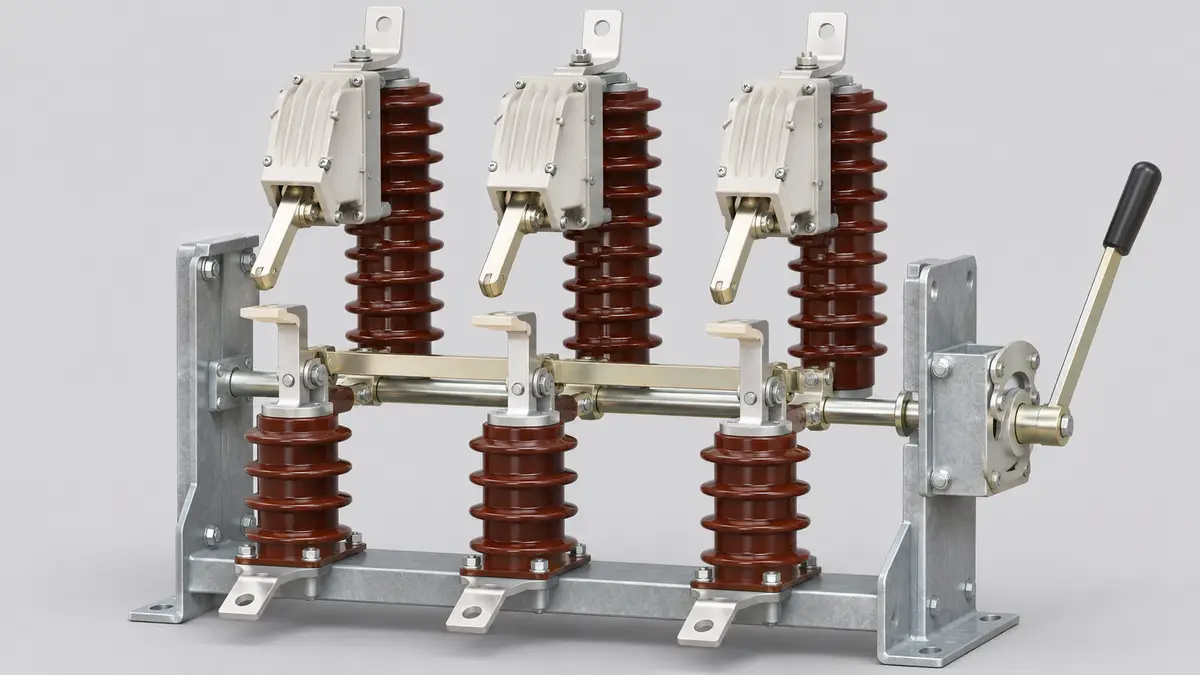
Medium-voltage load-break switches from China carry 2% UK duty under the relevant switch line, with no anti-dumping or countervailing duty recorded. Match test evidence to the supplied design and arrange network approval; equipment containing regulated F gas must be labelled. Cambridge China Bridge sources medium-voltage load-break switches.
Buying from China for a business? How our UK China sourcing agent service works · China sourcing agent for small orders and first imports
UK duty on medium-voltage load-break switches
Read from the UK Trade Tariff on 1 October 2026, heading 8535 covers switching and protection apparatus above 1,000 V. The relevant line for isolating and make-and-break switches below 72.5 kV is 8535 30 10 90. It carries 2% duty for goods from China, with no recorded anti-dumping or countervailing duty and no suspension. The table also shows protection components when imported separately, rather than treating them as load-break switches.
The tariff attaches an import control for fluorinated greenhouse gases to the switch line. Imported products containing regulated F gas must be labelled. Confirm the gas composition and the declaration requirement with your customs broker. The file also flags an export control of mercury; confirm its relevance before any onward export. The separately imported arrester line has a 0% authorised-use suspension for offshore wind rotor-blade manufacture, which is not a general relief for load-break switches.
Confirm the commodity code from the switch function, voltage and supplied configuration before ordering. Use the high-voltage disconnectors guide for wider heading context. The import duty and VAT guide explains the illustrative order calculation.
| Goods | Commodity code | Duty | Anti-dumping or countervailing duty on China |
|---|---|---|---|
| Isolating and make-and-break switches below 72.5 kV | 8535 30 10 90 | 2% | None |
| Separately imported high-voltage fuses for switch protection | 8535 10 00 90 | 2% | None |
| Separately imported automatic circuit breakers below 72.5 kV | 8535 21 00 90 | 2% | None |
| Separately imported lightning arresters and surge suppressors | 8535 40 00 90 | 2% | None |
Specify load switching, insulation and interlocks
State rated voltage, continuous current, load-breaking duty, short-circuit making duty and withstand rating separately. Specify the insulation medium, indoor or outdoor installation, terminal arrangement, mounting dimensions, operating mechanism and control supply. If an earthing switch or fuse mechanism is included, define the interlocks and the required operating sequence.
Ask for type test reports that match the exact switch design and ratings, plus agreed routine tests for the supplied units. Confirm the network operator's approval route with the buyer's engineer before ordering. Ask the relevant authority to confirm whether the Electrical Equipment (Safety) Regulations 2016 apply to the switch and any lower-voltage equipment supplied with it.
Worked duty example
Illustrative example, not a quote: Illustrative shipment of 40 medium-voltage load-break switches under 8535 30 10 90, invoiced at £120,000 free on board, with £4,000 of freight and insurance to the UK. The customs value is £124,000. Duty at 2% is £2,480. Import VAT at 20% is charged on the customs value plus duty, £126,480, so it is £25,296. Import taxes total £27,776; a VAT-registered importer can usually reclaim the VAT, so the lasting cost is the £2,480 of duty. The import duty and VAT guide explains each step.
Inspection checklist
Identity: match nameplates, serial numbers, drawings and test records to the ordered switch and mechanism.
Operation: witness opening, closing, position indication and earthing interlocks against the agreed sequence; check auxiliary contacts and operating handles.
Electrical condition: review agreed withstand and contact-resistance results; inspect insulation, terminals and any gas leak-test record.
Arrival: inspect crates, bushings, mounting brackets and moisture protection; compare supplied accessories and gas labels with the approved packing list.
Working out your own order? Send us the product on WhatsApp and we reply the same working day: WhatsApp us
What goes wrong
A supplier may offer a disconnector when the buyer needs load switching, or submit reports for a different mechanism or rating. Do not accept a short-circuit making claim as evidence of the requested load-breaking performance. Match the tested design to the supplied unit before approving shipment.
Stiff mechanisms, incorrect interlocks, damaged insulation and leaking gas compartments can prevent acceptance. Products containing regulated F gas require labelling; confirm any applicable handling and recovery obligations with the relevant authority. Agree who will install and service the equipment, and arrange testing and certification checks before shipment.
Cambridge China Bridge sources these products for UK businesses, checking the factory and the documents before shipment. See factory verification. For components and parts, see sourcing for manufacturers.
Frequently asked questions
What is the UK import duty on medium-voltage load-break switches from China?
The supplied tariff record shows 2% for 8535 30 10 90, with no anti-dumping or countervailing duty and no suspension. Confirm that the switch matches the line before declaring it.
Can I use a disconnector instead of a load-break switch?
Specify the required load-breaking duty explicitly. Ask for test evidence for that duty on the exact supplied design; a catalogue description or a making rating alone does not establish it.
Do medium-voltage load-break switches need UKCA marking?
Ask the relevant authority to confirm whether the Electrical Equipment (Safety) Regulations 2016 apply to the supplied switch. Check lower-voltage equipment separately and confirm the network approval route.
What should I check on a gas-insulated load-break switch?
Confirm the gas composition, labelling, leak-test evidence and servicing arrangements. Imported products containing regulated F gas must be labelled; ask your broker to confirm the tariff declaration requirement.