Sourcing mechanical interval timers from China
Mechanical interval timers confirmed as other non-electric clocks carry 2% UK duty from China; electrically operated clocks carry 4%. Importers of consumer timers must demonstrate compliance with relevant safety requirements. Cambridge China Bridge sources mechanical interval timers.
Buying from China for a business? How our UK China sourcing agent service works · China sourcing agent for small orders and first imports
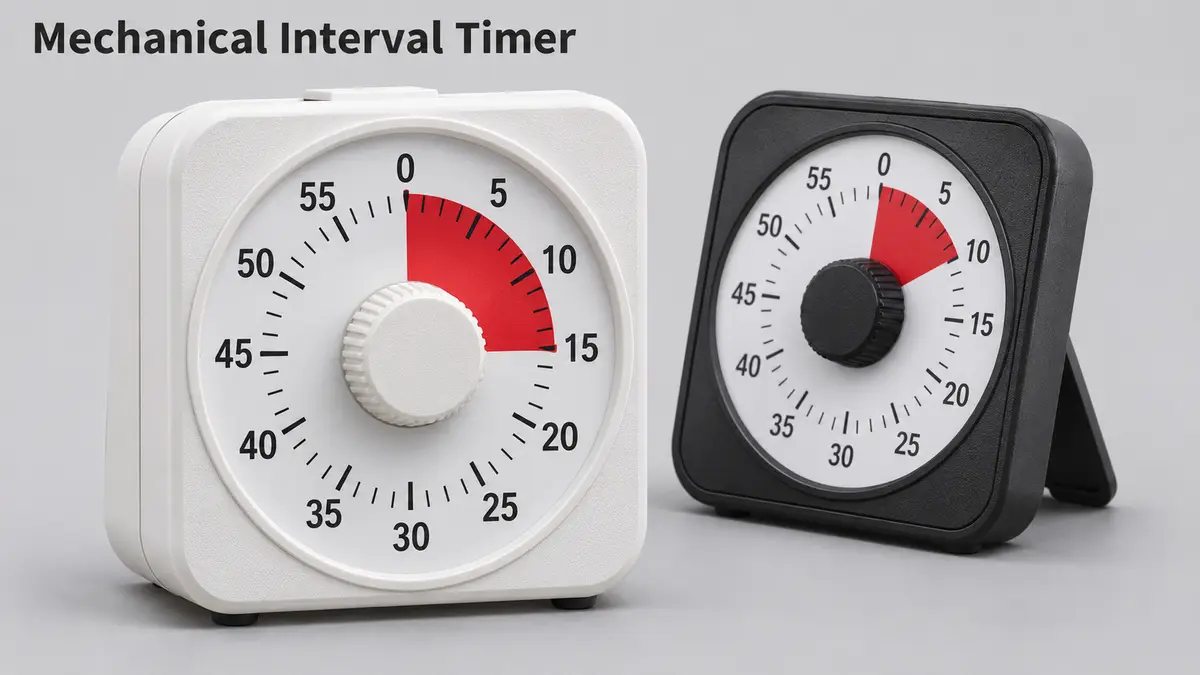
Mechanical timers: 2% subject to classification
Heading 9105 covers other clocks. This guide concerns spring-driven interval timers that count down and sound a mechanical bell. The table presents design variants against the same candidate line, rather than separate tariff categories. Confirm that the complete product belongs under 9105 99 00 00 before using its rate.
Read from the UK Trade Tariff on 1 October 2026, other non-electric clocks from China carried 2% duty, compared with 4% for electrically operated other clocks. The supplied snapshot records no anti-dumping or countervailing measures and no suspensions. It attaches CITES import and export controls and cultural-object export licensing. The CITES notes are empty, so the importer should confirm the applicable documents or exemption with their customs broker, particularly for animal or plant materials.
Confirm the movement, function and materials using finding your commodity code. Time switches are outside this guide, as explained in the published background. For the wider heading, see wall clocks and alarm clocks.
| Goods | Commodity code | Duty | Anti-dumping or countervailing duty on China |
|---|---|---|---|
| Other non-electric clocks: freestanding mechanical timer designs | 9105 99 00 00 | 2% | None |
Specify the spring, dial and bell
Specify the countdown range, dial divisions, acceptable timing error across the range, winding direction and reset method. Ask whether the user must first wind beyond the desired setting to charge the bell spring. Approve instructions that match the actual movement, and agree how timing starts and when the bell should sound.
Define case material, knob grip, dial contrast, bell audibility and ringing duration. For magnetic versions, agree the intended mounting surface and resistance to slipping during adjustment. For freestanding versions, check stability while turning the knob. Importers placing consumer products on the UK market need to demonstrate compliance with relevant safety requirements; retain evidence for the finished timer.
Worked duty example
Illustrative example, not a quote: Illustrative order: 1,000 freestanding mechanical interval timers, subject to code confirmation under 9105 99 00 00, invoiced at £3,000 free on board, with £800 of freight and insurance to the UK. The customs value is £3,800. Duty at 2% is £76. Import VAT at 20% is charged on the customs value plus duty, £3,876, so it is £775.20. Import taxes total £851.20; a VAT-registered importer can usually reclaim the VAT, so the lasting cost is the £76 of duty. The import duty and VAT guide explains each step.
Inspection checklist
Countdown: compare short, middle and full-range settings with a reference timer, following the supplied winding instructions. Repeat after resetting and compare results with the agreed tolerance.
Bell and winding: check that the bell sounds at the end of each tested interval, including short settings. Look for stiff winding, slipping knobs, inconsistent resistance and a movement that stalls.
Case and mounting: check sharp edges, loose components, dial alignment and finish. Test magnetic attachment on the agreed surface and check that freestanding units stay stable during adjustment.
Instructions and packing: check that the winding directions match the product and that model and batch references match the order. After unpacking, repeat the countdown and bell checks. See quality inspection explained.
Working out your own order? Send us the product on WhatsApp and we reply the same working day: WhatsApp us
What goes wrong
A timer can count down correctly but fail to ring because the bell spring was not charged. Instructions copied from a different movement can produce the same complaint. Knobs can slip on their shafts, dial markings can disagree with the pointer, and timing error can change across the countdown range.
Approve a working sample together with its instructions, then use the same test sequence on production samples and arrival samples. Investigate silent bells, sticking movements and detached magnets before releasing affected stock.
Cambridge China Bridge sources these products for UK businesses, checking the factory and the documents before shipment. See factory verification. For own-brand ranges, see sourcing for brands.
Frequently asked questions
What is the UK import duty on mechanical interval timers from China?
The supplied tariff snapshot gives 2% for other non-electric clocks under 9105 99 00 00. Confirm that this line covers your timer. No anti-dumping or countervailing measure is recorded.
Why does a mechanical timer count down without ringing?
The bell spring may not have been charged, or the bell mechanism may be faulty. Follow the movement's winding instructions and test short settings as well as the full range.
What safety evidence should I request?
Importers must demonstrate compliance with relevant safety requirements. Request evidence for the finished timer and review sharp edges, loose parts, winding forces and any detachable magnet.
Can I use the supplier's commodity code?
Use it as a starting point. Confirm the complete timer's movement and function against the UK classification before relying on the duty rate, especially if it also switches equipment.