Sourcing malting barley from China
Both supplied malting-barley lines carry £77.00 per 1000kg for goods from China, with no percentage duty range. Food barley must meet the same or equivalent hygiene standards as food produced in Great Britain. Agree germination and protein specifications with the maltster. Cambridge China Bridge sources malting barley.
Buying from China for a business? How our UK China sourcing agent service works · China sourcing agent for small orders and first imports
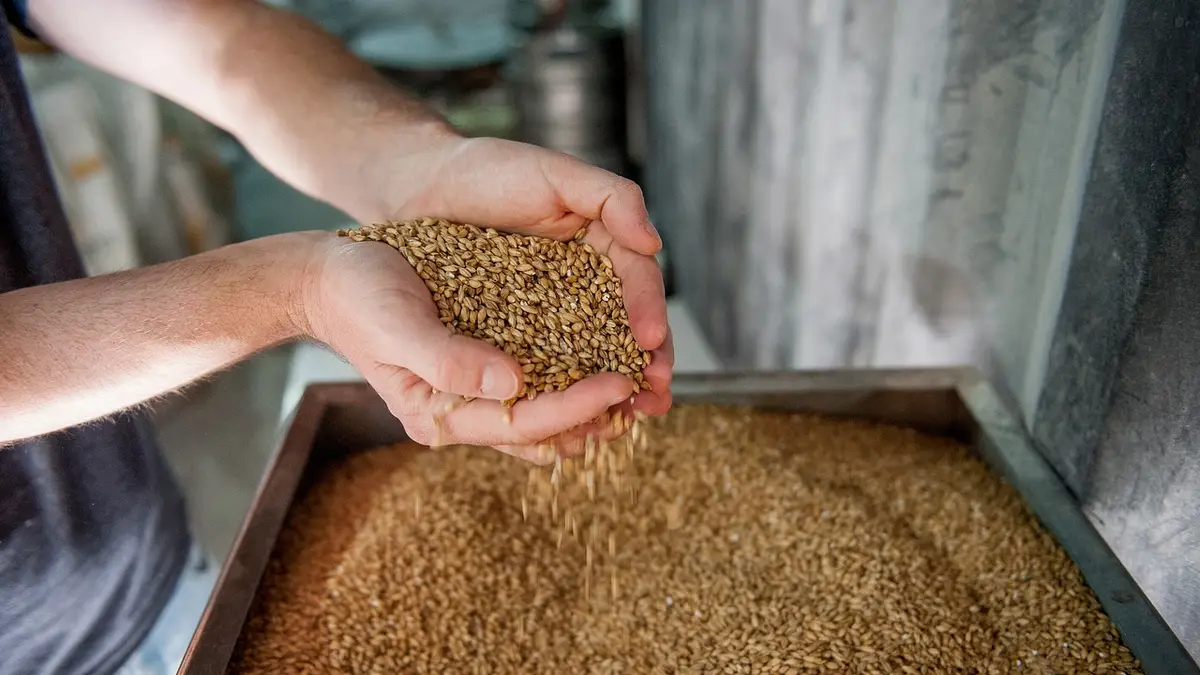
Malting barley duty and import controls
Heading 1003 covers barley. This guide concerns barley bought for malt manufacture. Read from the UK Trade Tariff on 29 September 2026, both supplied malting lines carry £77.00 per 1000kg for goods from China. The supplied record lists no anti-dumping or countervailing duty and no suspensions. For other uses, see the barley sourcing guide.
The special malting line concerns specified grain quality and manufacture of beer aged in vats containing beechwood. The UK Trade Tariff attaches a non-preferential tariff quota under authorised use. Ask your customs broker to confirm its requirements and eligibility before relying on it. Give the broker the intended process and batch specification, then use finding your commodity code to check classification.
Both lines carry organic import controls. The certificate is issued by the exporter’s control body in the country of export. Resolve this documentation before shipment.
| Goods | Commodity code | Duty | Anti-dumping or countervailing duty on China |
|---|---|---|---|
| Malting barley meeting the special quality and beechwood-vat beer criteria | 1003 90 00 20 | £77.00 per 1000 kg | None |
| Other barley for malt manufacture | 1003 90 00 30 | £77.00 per 1000 kg | None |
Specify barley for the maltster’s process
Agree variety, crop identity, germination performance, protein, moisture, grain sizing, broken kernels and foreign matter with the receiving maltster. Put the sampling method, test method and acceptance criteria in the purchase specification. Ask the supplier to describe drying and storage conditions, since appearance alone cannot establish malting performance.
Food barley must meet the same or equivalent food hygiene standards and procedures as food produced in Great Britain. Request batch-specific laboratory results and agree pesticide residue and mould toxin checks with your laboratory. Match the tested batch to the shipment rather than accepting a generic supplier certificate.
Inspection checklist
Identity: match variety, crop identity and bag markings to the order, approved sample and laboratory reports.
Malting performance: compare germination, protein, moisture and grain sizing results with the maltster’s agreed specification.
Grain condition: sample across the consignment for broken kernels, foreign matter, insects, mould and musty odours. Arrange quality inspection around representative samples.
Packing and documents: check bag integrity, water staining, container cleanliness and readable batch markings. For organic food, match the certificate of inspection to the consignment.
What goes wrong
Clean-looking barley can still germinate poorly or vary in moisture across the shipment. Agree acceptance testing before dispatch and retain reference samples. Keep wet, damaged or suspect bags separate while investigating.
A supplier’s description of “malting barley” does not establish eligibility for the special beer-making line. Confirm the actual quality criteria, intended use and attached quota requirements with your broker. Missing organic documentation can also disrupt an organic shipment.
Cambridge China Bridge sources these products for UK businesses, checking the factory and the documents before shipment. See factory verification. For repeat volumes, see container programmes.
Frequently asked questions
What is the UK import duty on malting barley from China?
Both supplied malting-barley lines carry £77.00 per 1000kg. Duty is weight-based.
What should I test before buying malting barley?
Agree germination, protein, moisture, grain sizing and contamination checks with the maltster. Request batch-specific results and agree how representative samples will be taken.
Can I use the special malting barley commodity code?
Check that the grain meets the specified quality criteria and beechwood-vat beer-making use. The tariff attaches a quota under authorised use; ask your broker to confirm requirements and eligibility.
What documents do I need for organic malting barley?
For organic food from China entering Great Britain, confirm with the relevant authority or your customs broker whether a certificate of inspection is required for each consignment and which non-UK organic register checks apply to the exporter’s control body and export country.