Sourcing hulless barley from China
All supplied hulless barley lines carry UK duty of £77.00 per 1000kg for goods from China; there is no percentage range. Confirm the applicable food hygiene standards with the relevant food safety authority. Check intended use and organic paperwork before shipment. Cambridge China Bridge sources hulless barley.
Buying from China for a business? How our UK China sourcing agent service works · China sourcing agent for small orders and first imports
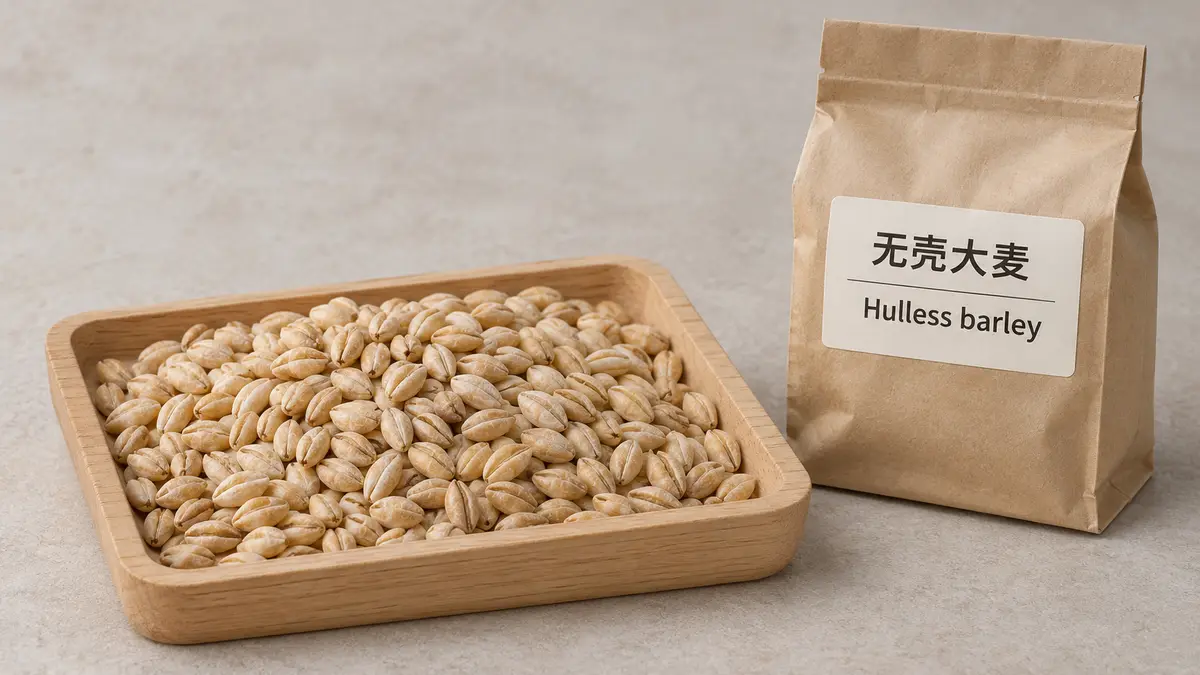
Hulless barley duty and import controls
Heading 1003 covers barley. For hulless barley, distinguish food or feed grain, sowing seed and malting grain. Read from the UK Trade Tariff on 29 September 2026, every supplied line carries £77.00 per 1000kg for goods from China. The supplied record lists no anti-dumping or countervailing duty and no suspensions. These weight-based rates cannot support a percentage-duty worked example.
The tariff attaches organic import control to every supplied line. For organic food from China entering Great Britain, ask your customs broker and organic control body to confirm the consignment certificate requirements and how to check the exporter’s control body and export country. For organic feed or sowing seed, confirm the attached requirement with your customs broker. The special beechwood-vat malting line also carries a non-preferential tariff quota under authorised use; confirm its requirements and eligibility with your broker.
Provide the intended use, variety and processing description when finding your commodity code. Ask the broker to assess grain that has been pearled, rolled or otherwise processed separately. The table shows conditional uses, not interchangeable declarations. See the wider barley guide for the heading.
| Goods | Commodity code | Duty | Anti-dumping or countervailing duty on China |
|---|---|---|---|
| Hulless barley for food or feed, other than seed or malting grain | 1003 90 00 90 | £77.00 per 1000 kg | None |
| Hulless barley seed for sowing | 1003 10 00 00 | £77.00 per 1000 kg | None |
| Hulless barley for malt manufacture, other | 1003 90 00 30 | £77.00 per 1000 kg | None |
| Hulless malting barley meeting the special beechwood-vat beer criteria | 1003 90 00 20 | £77.00 per 1000 kg | None |
Specify hulless grain and its intended use
Describe the purchase as hulless barley and name the variety. Ask whether the supplier is offering a naturally hulless variety or grain mechanically stripped of its hull. Record whether the grain is whole, polished, pearled or broken, and approve a representative sample. Do not accept a product name alone as the specification.
Agree moisture, retained husks, foreign matter, broken kernels, grain size, colour and odour. For food use, assess a cooked sample for texture and suitability for the intended recipe. For malting, agree germination and protein checks with the maltster. Keep food, feed and sowing specifications separate.
Confirm the applicable hygiene standards and procedures for food cereals with the relevant food safety authority. Request batch-specific laboratory results for agreed pesticide and mould-toxin checks. For retail food labels, allergens must be highlighted using a different font, style or background colour; review the artwork before printing.
Inspection checklist
Identity: compare variety, grain appearance, processing condition and lot markings with the approved sample and order.
Grain condition: sample across bags for moisture, retained husks, stones, broken kernels, insects and musty odours.
Packing: check bag integrity, water staining, net weight and container cleanliness. Arrange quality inspection around representative samples.
Documents: match bag markings to batch laboratory reports and shipment records. For organic food, check that the certificate of inspection covers the consignment.
What goes wrong
A supplier may substitute mechanically dehulled or pearled barley for the agreed hulless variety. Similar-looking grain can cook differently or contain more broken kernels. Keep an approved reference sample and make acceptance depend on the written variety and processing specification.
A clean surface sample can conceal damp grain, insects or excessive husks deeper in the bags. Visual inspection cannot establish pesticide or mould-toxin results. Agree sampling and laboratory testing before dispatch, and resolve missing organic paperwork before loading.
Cambridge China Bridge sources these products for UK businesses, checking the factory and the documents before shipment. See factory verification. For repeat volumes, see container programmes.
Frequently asked questions
What is the UK import duty on hulless barley from China?
Every supplied line carries £77.00 per 1000kg. Duty is weight-based, so there is no percentage range.
Which commodity code should I use for hulless barley?
Food or feed grain may fall under 1003 90 00 90. Seed and malting uses have separate lines. Give your broker the intended use, variety and processing details before confirming the declaration.
Can I import organic hulless barley from China?
For organic food entering Great Britain, ask your customs broker and organic control body to confirm the consignment certificate requirements and how to check the exporter’s control body and export country.
What should I check before accepting hulless barley?
Check variety, processing condition, retained husks, moisture, broken kernels, foreign matter, pests and packing. Match representative samples and batch laboratory results to the agreed specification.