Sourcing knitted cricket sweaters from China
Knitted cricket sweaters from China carry UK duty of 10% to 12% under heading 6110, depending on the tariff line. Cotton and man-made fibre styles pay 12%; qualifying heavy wool pullovers pay 10%. Fibre content must be labelled. Specify cable construction, club stripes and washed fit. Cambridge China Bridge sources knitted cricket sweaters.
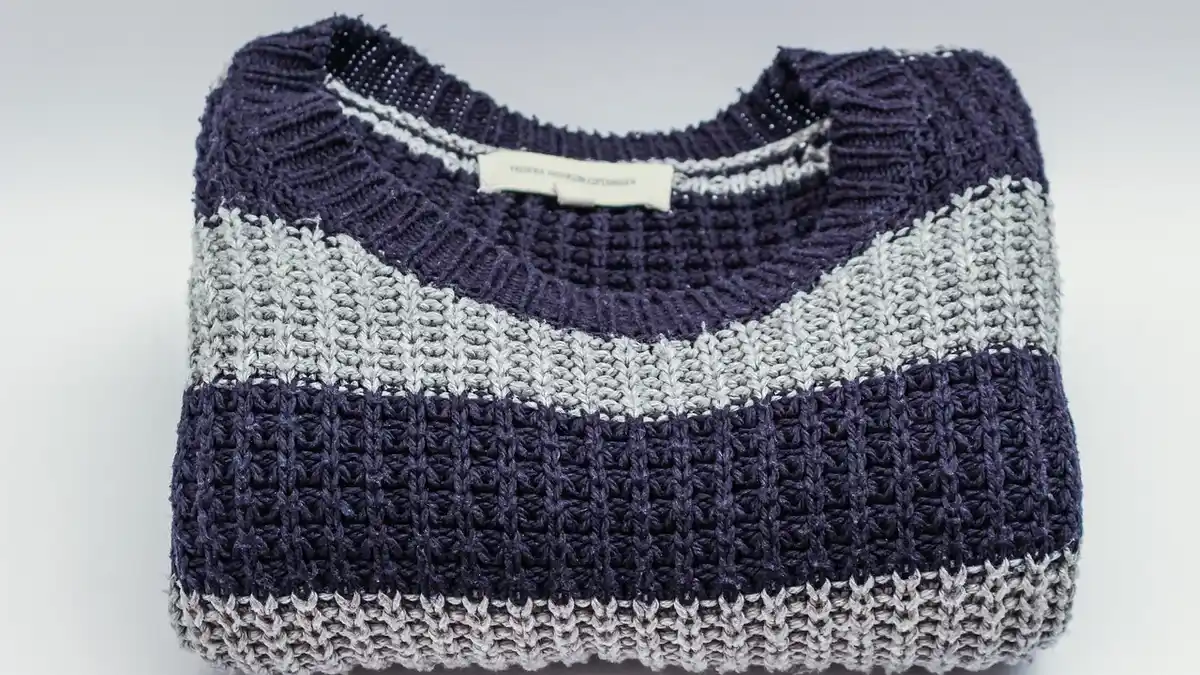
Duty depends on fibre and the wool line
Read from the UK Trade Tariff on 30 September 2026, heading 6110 covers knitted or crocheted jerseys, pullovers, cardigans, waistcoats and similar articles. The selected cricket sweater lines carry 12% duty from China, except 6110 11 10 00 at 10% for jerseys and pullovers containing at least 50% wool and weighing 600 g or more per article. The supplied heading data lists no anti-dumping or countervailing duty and no suspensions.
The tariff attaches cat and dog fur and seal-product import controls. Imports of cat and dog fur, including products made from it, are banned. Seal products can only be imported and sold in limited cases under strict conditions. For any seal material in a China-sourced garment, confirm the requirement with your customs broker before ordering. Other fine-animal-hair lines also attach CITES import controls; confirm the requirement with your broker if considering those fibres.
Confirm the commodity code using the garment construction, fibre composition and weight rather than the name 'cricket sweater'. For the wider heading, see knitted jumpers. The worked order is illustrative; see import duty and VAT for the calculation method. For golf styles, see our knitted golf sweater sourcing guide.
| Goods | Commodity code | Duty | Anti-dumping or countervailing duty on China |
|---|---|---|---|
| Wool cricket pullovers: at least 50% wool, weighing 600 g or more | 6110 11 10 00 | 10% | None |
| Other wool cricket sweaters, men's or boys' | 6110 11 30 00 | 12% | None |
| Other wool cricket sweaters, women's or girls' | 6110 11 90 00 | 12% | None |
| Cotton cricket sweaters, men's or boys' | 6110 20 91 00 | 12% | None |
| Cotton cricket sweaters, women's or girls' | 6110 20 99 00 | 12% | None |
| Man-made fibre cricket sweaters, men's or boys' | 6110 30 91 00 | 12% | None |
| Man-made fibre cricket sweaters, women's or girls' | 6110 30 99 00 | 12% | None |
Specify the cable knit and club trim
Agree the yarn composition, knit density, garment weight and cable pattern against an approved sample. Specify the neckline depth, stripe colours and widths, rib construction, sleeve shape and crest position. Include a graded size chart with agreed tolerances and enough room to wear the sweater over a cricket shirt.
Approve the cream or white body shade beside the club trim. Request wash-tested samples to assess shrinkage, pilling, stripe bleeding and rib recovery. Garments sold in Great Britain must carry a label showing fibre content, including fur and other animal parts. Approve the label wording alongside the yarn specification.
Worked duty example
Illustrative example, not a quote: Illustrative order: 500 men's cotton knitted cricket sweaters under 6110 20 91 00, invoiced at £7,000 free on board, with £700 of freight and insurance to the UK. The customs value is £7,700. Duty at 12% is £924. Import VAT at 20% is charged on the customs value plus duty, £8,624, so it is £1,724.80. Import taxes total £2,648.80; a VAT-registered importer can usually reclaim the VAT, so the lasting cost is the £924 of duty. The import duty and VAT guide explains each step.
Inspection checklist
Knit: compare cable placement, stitch density and garment weight with the approved sample; look for dropped stitches, snags and uneven panels.
Fit: measure chest, body length, sleeves and neckline against the size chart; check washed dimensions and recovery of cuffs and hem.
Colour and crest: compare body shade and club stripes across cartons; wash-check colour transfer and inspect embroidery for puckering and loose threads.
Seams and labels: inspect shoulder joins, underarms and cable alignment; check fibre labels, size labels and carton contents against the order. Use the inspection guide to brief the inspector.
Working out your own order? Send us the product on WhatsApp and we reply the same working day: WhatsApp us
What goes wrong
A lighter or looser knit can copy the sample's appearance while losing its shape in wear. Necklines stretch, cuffs stop recovering and cable panels pull unevenly after washing. Dark club stripes can bleed into the pale body, while dense crest embroidery can pucker the chest.
Keep an approved sample with the yarn specification and washed measurements. Check production samples in each trim colour combination, then compare arrival samples across sizes and cartons. Record defects before distributing club orders so replacements can be matched to the original shade.
Cambridge China Bridge sources these products for UK businesses, checking the factory and the documents before shipment. See factory verification. For own-brand ranges, see sourcing for brands.
Frequently asked questions
What is the UK import duty on cricket sweaters from China?
The listed cotton and man-made fibre lines pay 12%. Other wool lines also pay 12%, except 6110 11 10 00 at 10% for pullovers containing at least 50% wool and weighing 600 g or more. No trade remedies or suspensions are listed.
Do knitted cricket sweaters need fibre labels?
Yes. For sale in Great Britain, the label must show fibre content, including fur and other animal parts. Agree the wording with the factory and check it against the actual yarn composition.
How do I stop club stripes bleeding into cream knit?
Approve the body shade and trim together, then wash-test the finished sample. Check each stripe colour combination and agree acceptable colour transfer before production.
What should I check on arrival?
Check cable alignment, dropped stitches, shoulder and underarm seams, washed fit, rib recovery, club colours, crest placement and labels. Compare samples across sizes and cartons.