Sourcing knitted baby mittens from China
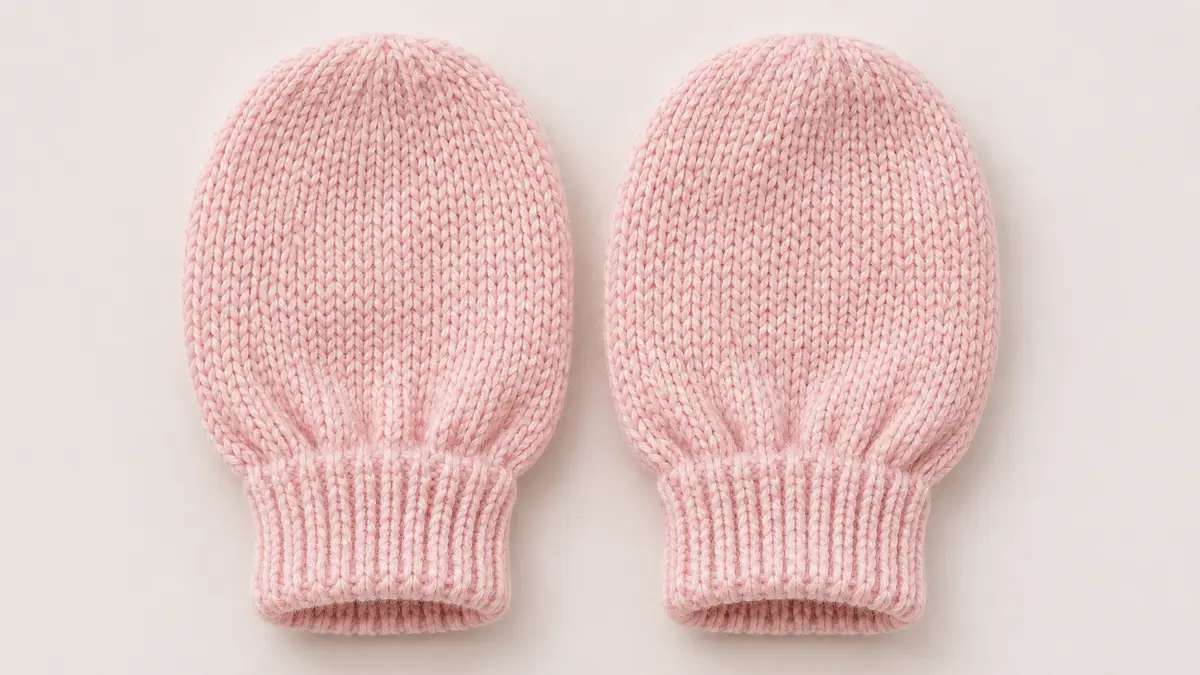
Knitted baby mittens from China carry UK duty of 8% to 12%, depending on fibre: cotton, synthetic fibres and wool mitten lines pay 8%; artificial fibres pay 12%. Fibre composition labels are required; confirm the applicable babywear safety requirements with Trading Standards. Check cuff fit and loose internal threads. Cambridge China Bridge sources knitted baby mittens.
Buying from China for a business? How our UK China sourcing agent service works · China sourcing agent for small orders and first imports
Duty by mitten fibre
Read from the UK Trade Tariff on 30 September 2026, heading 6111 covers knitted or crocheted babies' garments and clothing accessories. Cotton, synthetic-fibre and wool or fine animal hair mitten lines carry 8% duty for goods from China; the artificial-fibre mitten line carries 12%. The supplied tariff data lists no anti-dumping or countervailing duty and no suspensions.
The tariff attaches cat and dog fur import and export controls and seal-product import controls. Imports and exports of cat and dog fur, including products made from it, are banned. Seal products are subject to a ban with limited exceptions; confirm the requirement with your customs broker before accepting any seal trim. Wool and fine animal hair lines also attach CITES import and export controls: confirm the species and applicable permits with your broker.
Confirm the commodity code against the actual fibre composition and mitten construction before ordering. For the wider babies' clothing-accessory heading, see the knitted baby booties guide.
| Goods | Commodity code | Duty | Anti-dumping or countervailing duty on China |
|---|---|---|---|
| Cotton knitted baby mittens | 6111 20 10 00 | 8% | None |
| Synthetic-fibre knitted baby mittens | 6111 30 10 00 | 8% | None |
| Wool or fine animal hair knitted baby mittens | 6111 90 11 00 | 8% | None |
| Artificial-fibre knitted baby mittens | 6111 90 90 11 | 12% | None |
Specify the mitten body and cuff
State whether the product is a lightweight scratch mitten or a warmer outdoor mitten. Specify yarn composition, knitted construction, lining, hand width, usable length, cuff opening and stretch recovery. Approve the seam finish inside the mitten, where loose loops can catch fingers.
Textile labels must show fibre content, including fur and other animal parts. Confirm with Trading Standards which general product safety requirements apply to the babywear. Ask for plain cuffs without trailing ties, secure any decorations, and agree washing checks and chemical testing for fabrics, prints and trims before production.
Worked duty example
Illustrative example, not a quote: Illustrative order of 2,000 pairs of cotton knitted baby mittens under 6111 20 10 00, invoiced at £2,000 free on board, with £1,500 of freight and insurance to the UK. The customs value is £3,500. Duty at 8% is £280. Import VAT at 20% is charged on the customs value plus duty, £3,780, so it is £756. Import taxes total £1,036; a VAT-registered importer can usually reclaim the VAT, so the lasting cost is the £280 of duty. The import duty and VAT guide explains each step. This assumes the goods are standard-rated for VAT. Clothing designed for babies and young children is zero-rated under HMRC's VAT Notice 714, in which case no import VAT is due, so check the rate for your product.
Inspection checklist
Inside finish: turn samples inside out and check for loose threads, long yarn loops, open seams and rough edges.
Cuffs and sizing: compare hand dimensions and cuff openings with the approved sample; stretch cuffs and check recovery and matching within each pair.
Washing and trims: compare dimensions, cuff recovery and colour transfer before and after washing; check that attached decorations remain secure.
Labels and packing: check fibre wording against the agreed material specification, pair matching and carton contents. Record findings through quality inspection.
Working out your own order? Send us the product on WhatsApp and we reply the same working day: WhatsApp us
What goes wrong
Loose internal threads can wrap around fingers. Cuffs that stretch permanently let mittens slip off, while narrow openings make dressing difficult. Washing can shrink the body or distort the cuff, so approval should cover washed samples as well as factory-fresh samples.
A sample made with the agreed yarn does not establish the composition of the production batch. Check production materials and labels together, and compare colours and sizes across cartons. Resolve mismatches before dispatch rather than accepting a corrected label without checking the goods.
Cambridge China Bridge sources these products for UK businesses, checking the factory and the documents before shipment. See factory verification. For own-brand ranges, see sourcing for brands.
Frequently asked questions
What is the UK import duty on baby mittens from China?
Cotton, synthetic-fibre and wool or fine animal hair knitted baby mitten lines carry 8% duty; artificial-fibre mittens carry 12%. The supplied tariff data lists no anti-dumping or countervailing duty.
Do knitted baby mittens need a fibre label?
Yes. The textile label must show fibre content, including fur and other animal parts. Check the wording against the actual production materials.
What should I check inside baby mittens?
Turn samples inside out. Look for loose threads, yarn loops, rough seam edges and open stitching, then repeat the checks after washing.
Can I import baby mittens with animal trim?
Confirm the species first. Cat and dog fur products are banned from import and export. Seal-product controls and CITES controls may also matter; have your broker check the material before ordering.