Importing jewellery from China: hallmarks and nickel
Gold, silver, platinum and palladium jewellery sold in the UK must be hallmarked above small exemption weights — gold 1 gram, silver 7.78 grams — and selling an unhallmarked item above them is a criminal offence under the Hallmarking Act 1973, whether or not you knew. Cambridge China Bridge sources this for UK and overseas buyers, from a first trial order to full containers.
The one rule that catches people out
Gold, silver, platinum and palladium jewellery sold in the UK generally has to be hallmarked, and this is a criminal-law requirement under the Hallmarking Act 1973, not a labelling nicety. Sell an unhallmarked item of one of those four metals above its exemption weight and you, as the seller, have broken the law, whether or not you knew.
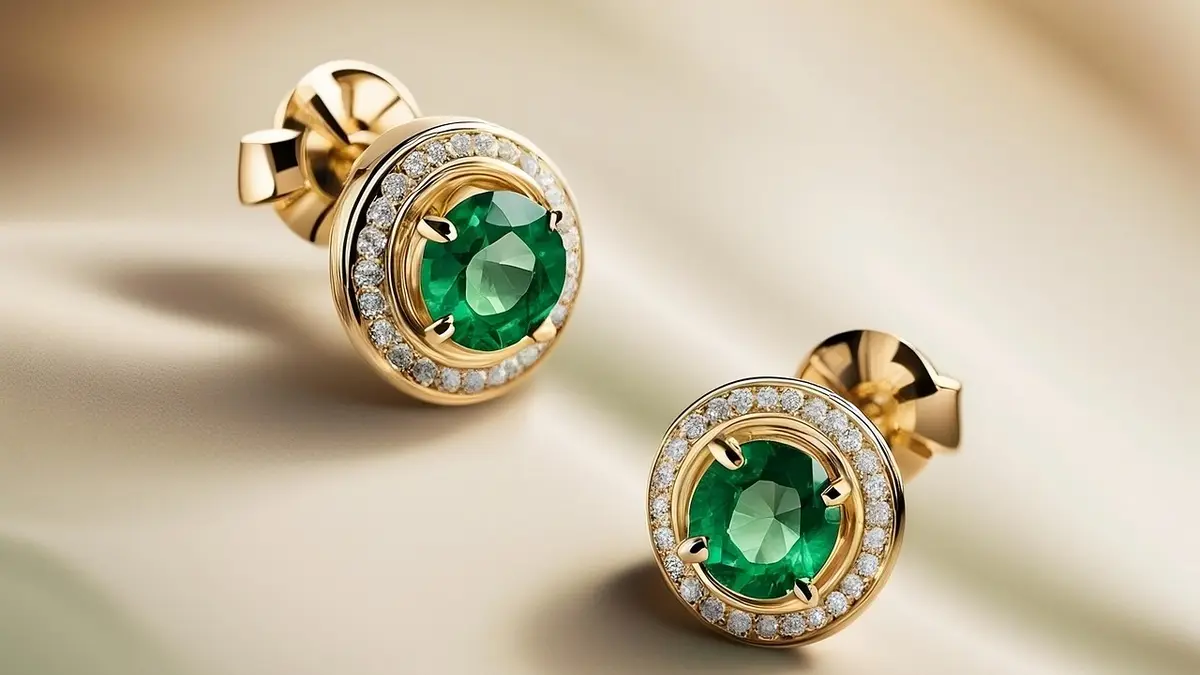
The exemption weights are small: gold 1 gram, silver 7.78 grams, platinum 0.5 grams, palladium 1 gram. Most real jewellery clears them easily. A plain silver chain or a pair of gold stud earrings will be over the threshold before you have finished making them.
China is not a member of the Vienna Convention on the Control of Precious Metal Articles, the international scheme under which a small group of countries recognise each other's hallmarks. So a Chinese factory's own mark, however official it looks, carries no legal weight in the UK. Qualifying pieces above the exemption weight need a genuine UK hallmark or a recognised Convention hallmark before they can be sold here.
What actually needs a hallmark, and what does not
The Act only covers four metals: gold, silver, platinum and palladium. Copper, brass and stainless steel are not precious metals under the Act, so jewellery made from them never needs a hallmark, regardless of weight. A lot of fashion jewellery from China is stainless steel or brass, and for that stock this whole section does not apply. Buying plated brass findings to make your own pieces raises different questions, covered in buying findings and craft components.
What still applies is honest description. A brass ring with a thin gold coating is not "gold" — it is gold plated, gold electroplated or gold vermeil depending on the base metal and the process, and those terms carry their own accepted meanings in the trade. Calling a plated piece "gold" without qualification risks breaching the unfair commercial practices provisions of the Digital Markets, Competition and Consumers Act 2024, but it is still a real problem, and a cheaper one to avoid than to fix after a complaint.
Get the base metal and the plating process in writing from the factory as part of the specification, the same way you would specify materials for any other product. "Gold colour" is not a specification.
Sending goods for UK hallmarking
Hallmarking is done by one of the UK's assay offices — London, Birmingham, Sheffield and Edinburgh are the four that operate today. As the importer bringing the goods to market, you register a sponsor's mark with an assay office, which is your own registered identifying mark, and then submit pieces to be tested and struck with the hallmark before they go on sale.
Build this into your timeline the same way you would build in customs clearance. It is a real extra step with its own lead time and cost per piece, but it does not necessarily sit after the goods land in the UK — Chinese factory marks are not recognised, while hallmarking can be arranged before import through an approved overseas operation of a UK assay office.
For anything in scope, work out the assay cost per piece before you commit to a wholesale price. Underpricing based on a landed cost that quietly assumed hallmarking away is a mistake that only shows up once you are already committed to the stock.
Nickel: the parts that touch skin
Separately from hallmarking, UK REACH restricts nickel release from jewellery, and it applies regardless of which metal the piece is made from — stainless steel, gold-plated brass, whatever the marketing calls it. Entry 27 of the restriction list sets two limits: post assemblies inserted into piercings must release less than 0.2 micrograms of nickel per square centimetre per week, and articles in prolonged contact with the skin more generally must release less than 0.5.
"Hypoallergenic" on a listing is a marketing claim, not a test result. Ask the factory for nickel release test data using the BS EN 1811 method for anything that will sit against skin for any length of time — earring posts particularly, since they have the tighter limit and the most direct route into a customer's ear.
Diamonds and stones: a lighter touch than people expect
The Kimberley Process Certification Scheme, the one most people have heard of, applies to rough diamonds crossing a border — it does not reach a finished piece of jewellery with diamonds already cut and set into it. If your product is finished pieces, you do not need a Kimberley Process certificate for them.
What does apply to finished diamond jewellery is a voluntary industry system rather than a government one: the World Diamond Council's System of Warranties, supported by bodies including the British Jewellers' Association. Under it, a seller of cut, polished or set diamonds gives a written warranty that the stones came from a conflict-free, legitimate source. Ask your supplier for that warranty statement on the invoice — it is standard trade practice, not an unusual request.
Working out your own order? Send us the product on WhatsApp and we reply the same working day: WhatsApp us
If cash changes hands
If your business ever makes or accepts a cash payment of £10,000 or more (or the equivalent in any currency) for goods — in one transaction or in payments that look linked — the Money Laundering Regulations 2017 require you to register with HMRC for anti-money-laundering supervision as a High Value Dealer. Jewellery sits squarely in the category these rules were written for: it is exactly the kind of high-value, easily-resold item cash purchases at that level are meant to be checked.
This is about qualifying cash payments for goods, whether you accept them from customers or make them to suppliers, including when buying from China. It is worth checking both sides of your business before you assume it does not apply to you.
Frequently asked questions
Do I need to hallmark jewellery imported from China?
Only if it is gold, silver, platinum or palladium and above the exemption weight (gold 1g, silver 7.78g, platinum 0.5g, palladium 1g). China is not a Vienna Convention country, so a Chinese factory's own mark is not recognised — you need a genuine UK hallmark or a recognised Convention hallmark before sale.
Is stainless steel or brass jewellery exempt from hallmarking?
It is not covered by the Hallmarking Act at all, since only gold, silver, platinum and palladium are in scope. No hallmark is ever required for stainless steel or brass, whatever the weight. You still have to describe any plating honestly rather than implying solid precious metal.
Do I need a Kimberley Process certificate for diamond jewellery?
No, not for finished pieces. The Kimberley Process applies to rough diamonds crossing a border. Cut, polished and set diamonds are covered instead by the voluntary World Diamond Council System of Warranties — ask your supplier for a warranty statement on the invoice.
What is the nickel limit for earrings and other jewellery?
Post assemblies inserted into piercings must release less than 0.2 micrograms of nickel per square centimetre per week; other jewellery in prolonged skin contact must release less than 0.5. Ask for BS EN 1811 test data rather than relying on a "hypoallergenic" label.
Do I need to register as a High Value Dealer?
Only if your own business accepts or makes cash payments of £10,000 or more (or the equivalent in any currency) for goods, in one transaction or linked payments. That covers both cash received from customers and qualifying cash payments to suppliers, including a Chinese factory.
Sources
- legislation.gov.uk — Hallmarking Act 1973, section 1
- legislation.gov.uk — Hallmarking Act 1973, Schedule 1 Part II (exemption weights)
- GOV.UK — Hallmarking is the law: guidance summary
- legislation.gov.uk — UK REACH Annex XVII (restrictions, entry 27: nickel)
- GOV.UK — Money Laundering Regulations: high value dealer registration
- GOV.UK — hallmarking requirements and the eu
- GOV.UK — unfair commercial practices
- GOV.UK — british hallmarking council annual report and accounts for the year ended 31 dec
- GOV.UK — ecsh51525
- GOV.UK — hallmarking guidance notes.pdf
- GOV.UK — amlg2600