Sourcing insulating firebricks from China
Insulating firebricks from China under heading 6902 pay 0% UK duty across the listed compositions, with no anti-dumping duty. Classification follows chemistry: insulating bricks made from siliceous earth belong elsewhere. Specify density, thermal conductivity and shrinkage. Cambridge China Bridge sources insulating firebricks.
Buying from China for a business? How our UK China sourcing agent service works · China sourcing agent for small orders and first imports
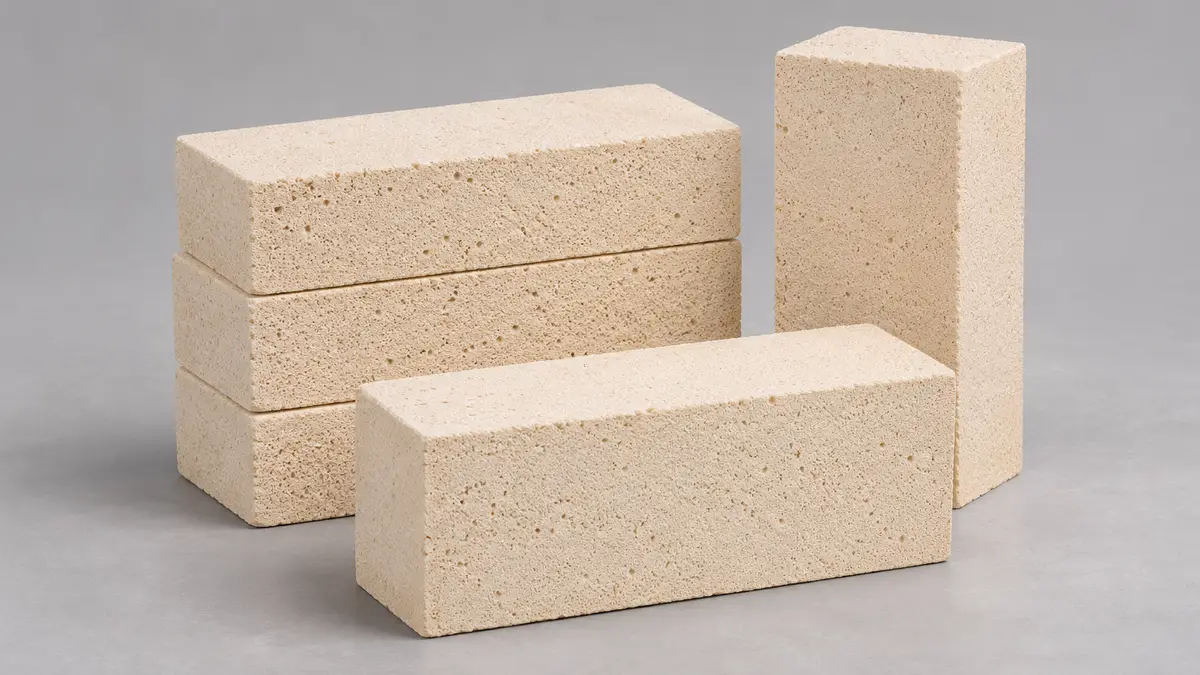
Zero duty, with classification by composition
Read from the UK Trade Tariff on 1 October 2026, heading 6902 covers refractory ceramic bricks, blocks, tiles and similar constructional goods, excluding those made from siliceous fossil meals or similar siliceous earths. This guide covers insulating firebricks within that heading. Diatomite insulating bricks belong in 6901. See the fireclay refractory bricks guide for wider heading coverage.
All listed lines carry 0% duty for goods from China. The supplied snapshot records no anti-dumping or countervailing duty and no suspension. It attaches an import control for waste, and also lists waste export controls and a cultural-object export licence entry. Ask your customs broker to confirm the applicable waste import requirement; review the export entries separately if re-exporting.
For waste from China entering England under notification controls, the exporter must apply to the competent authority in the country of dispatch for consent. Confirm the waste classification, route and remaining requirements with your broker before shipment. For new insulating bricks, use the chemical analysis and material description to confirm the commodity code; a supplier's insulating-grade name is insufficient.
| Goods | Commodity code | Duty | Anti-dumping or countervailing duty on China |
|---|---|---|---|
| Fireclay insulating bricks, alumina over 7% but under 45% | 6902 20 91 00 | 0% | None |
| Other alumina or silica insulating bricks, including high-alumina grades | 6902 20 99 00 | 0% | None |
| Silica insulating refractory bricks, silica content 93% or more | 6902 20 10 00 | 0% | None |
| Other-composition insulating refractory bricks | 6902 90 00 00 | 0% | None |
Specify insulation performance and lining position
State whether the brick forms the hot face or backs another refractory lining. Give the operating temperature, heating cycle, furnace atmosphere, mechanical load and exposure to abrasion. Agree composition, bulk density, thermal conductivity at named test temperatures, cold crushing strength and permanent dimensional change after heating. Record the test conditions and acceptance limits in the purchase specification.
Approve drawings for straight bricks and shaped pieces, including dimensions, tolerances and joint faces. Ask for batch test results tied to the shipped grade. Before agreeing CE or UKCA markings for a construction application, check the intended use, designated-standard coverage and any technical assessment. Products outside full designated-standard coverage may be covered by a technical assessment document.
Worked duty example
Illustrative example, not a quote: Illustrative container order of high-alumina insulating firebricks for a kiln installer under 6902 20 99 00, invoiced at £14,000 free on board, with £3,000 of freight and insurance to the UK. The customs value is £17,000. Duty at 0% is £0. Import VAT at 20% is charged on the customs value plus duty, £17,000, so it is £3,400. With no duty, the only import tax is the VAT, which a VAT-registered importer can usually reclaim. The import duty and VAT guide explains each step.
Inspection checklist
Identity: match pallet labels, grade, batch references and chemical analysis to the order; keep different grades identifiable.
Dimensions: measure sampled bricks against the drawing, check warpage and joint faces, and trial-fit shaped pieces.
Performance: compare batch density, thermal conductivity, strength and heating-change results with the agreed specification and test conditions.
Packing: check for crushed edges, cracks, loose brick dust, damp packaging and pallet movement; photograph damage before unpacking. Arrange quality inspection against the same acceptance criteria.
Working out your own order? Send us the product on WhatsApp and we reply the same working day: WhatsApp us
What goes wrong
A temperature-grade description leaves density, conductivity and shrinkage unresolved. Excessive shrinkage opens lining joints; insufficient strength or poor resistance to thermal cycling can cause cracking and spalling. Fragile corners can arrive broken when bricks rub together or pallet restraints bear directly on exposed edges.
Agree the installation and first-heating instructions with the kiln designer before use. Cutting and grinding silica or fireclay bricks releases respirable crystalline silica, so installers need dust control. Check whether shaped pieces can be supplied to reduce cutting on site.
Cambridge China Bridge sources these products for UK businesses, checking the factory and the documents before shipment. See factory verification. For own-brand ranges, see sourcing for brands.
Frequently asked questions
What is the UK import duty on insulating firebricks from China?
The supplied tariff snapshot shows 0% across all heading 6902 lines, with no anti-dumping or countervailing duty and no suspension. Import VAT is normally 20%.
Are diatomite insulating bricks covered by this guide?
No. Insulating bricks made from siliceous earth belong in heading 6901. Obtain the material description and chemical analysis before classifying an insulating brick.
What should I specify when buying insulating firebricks?
Specify lining position, operating conditions, composition, density, thermal conductivity, strength, heating shrinkage and dimensions. Agree test conditions and acceptance limits.
Do insulating firebricks need CE or UKCA marking?
Check the intended use, designated-standard coverage and any technical assessment before agreeing markings.