Sourcing ice cream cakes from China
UK duty on ice cream cakes under heading 2105 ranges from 6% to 8%, depending on milkfat. Dairy-containing cakes from China cannot be imported into Great Britain, even if the dairy comes from elsewhere. Assess plant-based recipes separately. Cambridge China Bridge checks whether a product can be imported before any order is placed.
Buying from China for a business? How our UK China sourcing agent service works · China sourcing agent for small orders and first imports
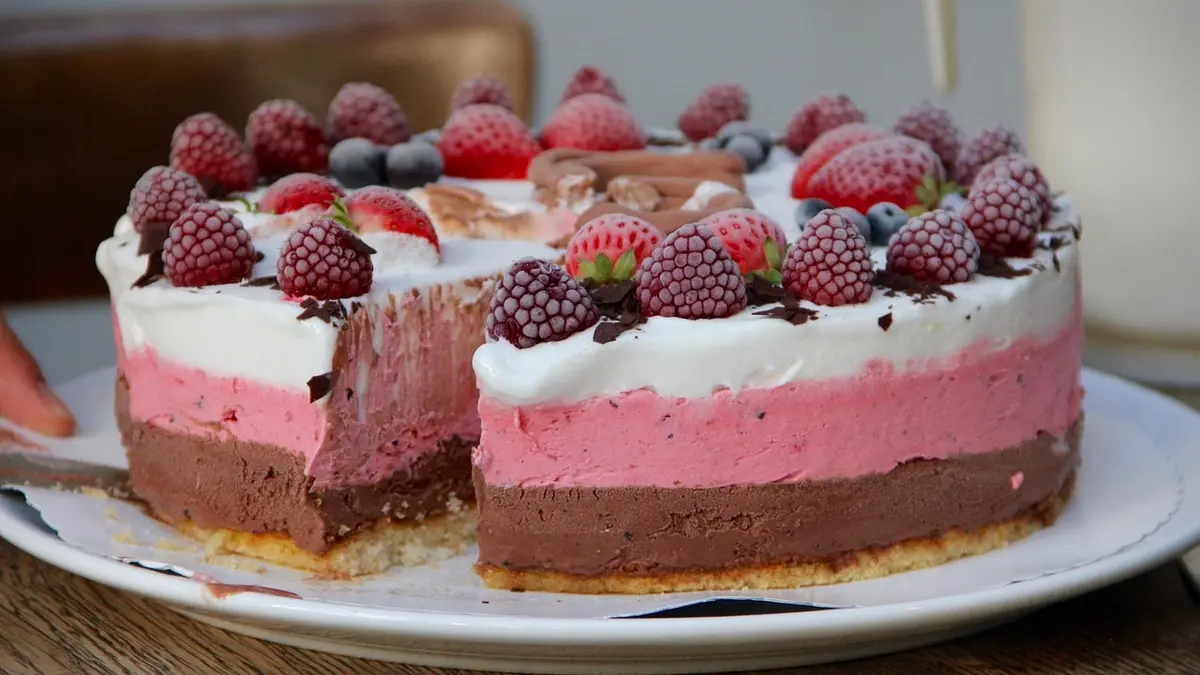
6% to 8% duty, with a dairy import prohibition
Read from the UK Trade Tariff on 29 September 2026, heading 2105 covers ice cream and other edible ice, whether or not containing cocoa. The supplied lines carry 8% below 3% milkfat, 8% from 3% to below 7%, and 6% from 7% upwards. No anti-dumping or countervailing duties or suspensions are listed. The table shows recipe variants sharing the available tariff lines; a listed code does not establish import permission.
Dairy-containing ice cream cakes from China cannot be imported into Great Britain. Using dairy sourced from another country does not remove the prohibition, which also applies to dairy ingredients in composite products. The tariff attaches veterinary control. For any proposed non-dairy recipe containing other animal ingredients, ask the customs broker to confirm eligibility and the applicable veterinary documents before ordering.
The tariff also attaches organic import control. Organic consignments from China need a Great Britain certificate of inspection, and the exporter’s control body and export country must appear on the relevant organic registers. This does not override the dairy prohibition. Confirm the commodity code using the complete recipe and cake construction. For related products within the heading, see ice cream sandwiches.
| Goods | Commodity code | Duty | Anti-dumping or countervailing duty on China |
|---|---|---|---|
| Plant-based ice cream cakes containing no milkfat | 2105 00 10 00 | 8% | None |
| Ice cream cakes containing milkfat of 3% or more but below 7% | 2105 00 91 00 | 8% | None |
| Ice cream cakes containing milkfat of 7% or more | 2105 00 99 00 | 6% | None |
Specify the frozen layers and complete recipe
Request the recipe for the ice cream, sponge or biscuit base, fillings, coating and decorations separately. Identify milk powder, whey, butter and cream throughout the cake. For a proposed plant-based version, check the base and chocolate decorations as carefully as the frozen filling. Agree ingredient substitutions only after reviewing the revised recipe.
Specify cake dimensions, net weight, layer proportions, flavour, sweetness, cutting behaviour and decoration placement against an approved sample. Agree frozen transport and storage conditions, temperature recording, protective trays and carton stacking. Assess samples after the intended transport and serving process, checking whether the base becomes soggy or the layers separate.
Worked duty example
Illustrative example, not a quote: Illustrative only: 450 individually boxed plant-based ice cream cakes, subject to confirmation of the recipe, classification and import eligibility under 2105 00 10 00, invoiced at £3,000 free on board, with £1,500 of freight and insurance to the UK. The customs value is £4,500. Duty at 8% is £360. Import VAT at 20% is charged on the customs value plus duty, £4,860, so it is £972. Import taxes total £1,332; a VAT-registered importer can usually reclaim the VAT, so the lasting cost is the £360 of duty. The import duty and VAT guide explains each step. HMRC's VAT Notice 701/14 lists ice cream among the exceptions that are standard-rated even though most food is zero-rated, so the 20% VAT shown applies.
Inspection checklist
Recipe: compare the production ingredient records with the approved recipe, including bought-in sponge, coatings and decorations.
Frozen condition: review transport temperature records and inspect arrivals for slumping, displaced decorations, large ice crystals and liquid staining.
Cake structure: check net weight, dimensions, layer balance, base texture and a cut portion against the approved sample.
Packaging and labels: check tray support, seals and batch identification. For an eligible retail product, verify the food name, ingredients, net quantity, applicable date marking and special storage conditions. Use the quality inspection guide to agree the inspection scope.
Working out your own order? Send us the product on WhatsApp and we reply the same working day: WhatsApp us
What goes wrong
A supplier may describe a cake as plant-based because its frozen filling uses vegetable fat, while the sponge contains butter or the coating contains milk powder. Check every component before treating the recipe as a non-dairy proposal. Dairy ingredients in a composite cake remain subject to the China prohibition.
Temperature changes can leave cakes misshapen, icy or wet at the base. Unsupported trays can damage piping and decorations during handling. Agree arrival checks and a process for holding questionable batches while records and samples are reviewed.
Cambridge China Bridge sources these products for UK businesses, checking the factory and the documents before shipment. See factory verification. For repeat volumes, see container programmes.
Frequently asked questions
What is the UK import duty on ice cream cakes from China?
Under heading 2105, duty is 8% below 7% milkfat and 6% from 7% upwards. No trade remedies or suspensions are listed. These rates do not override the dairy import prohibition.
Can I import dairy ice cream cakes from China into Great Britain?
No. Dairy products from China are prohibited, including dairy ingredients in composite products. Using milk sourced from another country does not remove the prohibition.
Can I import plant-based ice cream cakes from China?
Have the complete recipe assessed first. Check the sponge, coatings and decorations for animal ingredients, then confirm classification and import eligibility with your customs broker.
What should I check when frozen cakes arrive?
Review temperature records, cake shape, ice crystals, base texture, seals and batch identification. Compare a cut sample with the approved cake and hold questionable batches for review.