Sourcing Hydrolysed Silk Protein from China
Hydrolysed silk protein from China carries 2% UK duty under the candidate other-protein line, with no silk-specific suspension listed. Confirm the composition and the applicability of veterinary controls before shipment, rather than relying on a cosmetic-grade description. Cambridge China Bridge sources hydrolysed silk protein.
Buying from China for a business? How our UK China sourcing agent service works · China sourcing agent for small orders and first imports
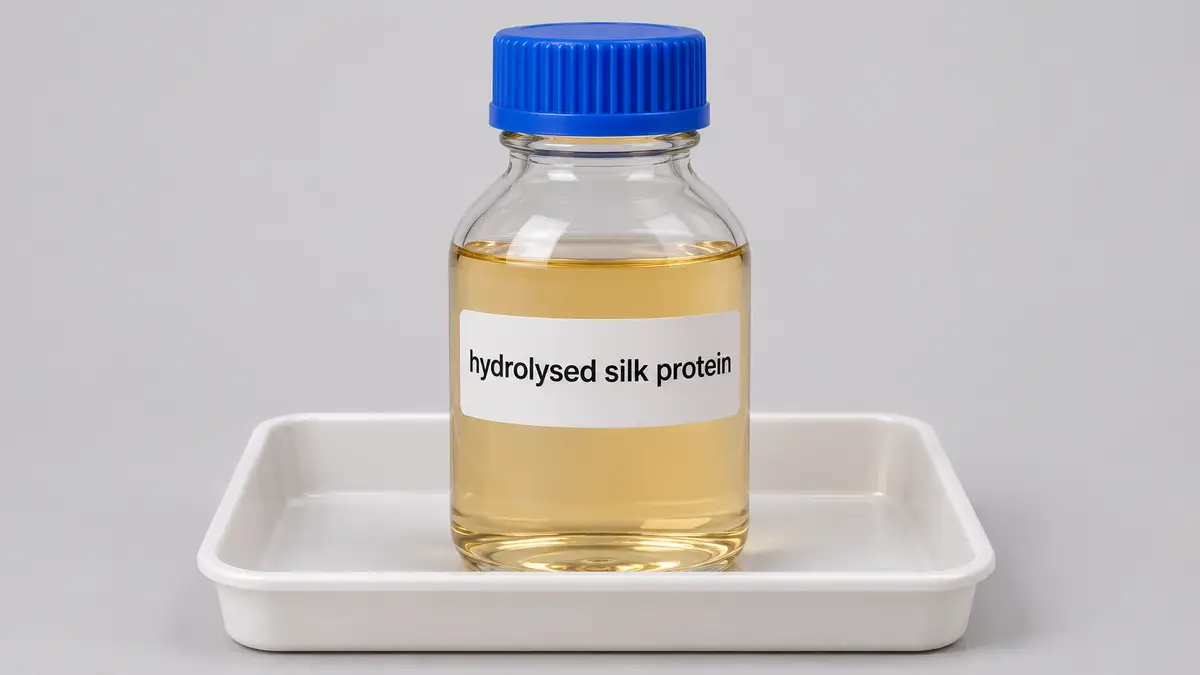
Duty and border checks for silk hydrolysates
Read from the UK Trade Tariff on 1 October 2026, heading 3504 covers peptones, other protein substances and their derivatives, and hide powder. Plain hydrolysed silk protein has candidate code 3504 00 90 99. The table shows specification variants within that candidate line, rather than separate tariff subheadings.
The supplied tariff record gives 2% duty for goods from China and lists no anti-dumping or countervailing measure. The suspension on this line covers zein, not silk protein. Veterinary control and import control of organic products are attached. Their application to this silk ingredient has not been established: confirm the requirements with your customs broker and ask the Animal and Plant Health Agency about the veterinary route before shipment.
Give your broker the silk source, hydrolysis process, complete composition and intended use to confirm the commodity code. Disclose water, preservatives and carriers rather than describing everything as protein powder. The pea protein and protein isolates guide covers the wider heading.
| Goods | Commodity code | Duty | Anti-dumping or countervailing duty on China |
|---|---|---|---|
| Hydrolysed silk protein powder | 3504 00 90 99 | 2% | None |
Specify the silk fraction and active content
Specify whether the material is derived from fibroin, sericin or a mixture. Agree powder or liquid form, protein and solids content with the test methods stated, molecular-weight profile, moisture, acidity, ash, colour, odour and solubility. For liquids, obtain the full carrier and preservative composition. Agree batch acceptance criteria before approving a sample.
UK REACH regulates chemicals placed on the market in Great Britain. Ask your compliance adviser to determine the obligations for the actual imported composition. Before a finished cosmetic containing the ingredient is made available to consumers, its safety must be checked by a qualified safety assessor. Provide the assessor with the ingredient composition and batch test information.
Worked duty example
Illustrative example, not a quote: Illustrative order: 25 kg of hydrolysed silk protein powder; illustrative FOB and freight values under 3504 00 90 99, invoiced at £3,000 free on board, with £100 of freight and insurance to the UK. The customs value is £3,100. Duty at 2% is £62. Import VAT at 20% is charged on the customs value plus duty, £3,162, so it is £632.40. Import taxes total £694.40; a VAT-registered importer can usually reclaim the VAT, so the lasting cost is the £62 of duty. The import duty and VAT guide explains each step.
Inspection checklist
Identity: match the silk fraction, composition, batch marking and certificate of analysis to the approved specification.
Assay: check protein, solids, moisture and molecular-weight results against the agreed methods; distinguish active protein from the weight of a diluted solution.
Performance: compare colour, odour, dissolution and sediment with the retained sample, then trial the batch in your intended formulation.
Condition: inspect seals, leaks and powder caking; review microbiological results against your agreed acceptance criteria. Arrange testing and certification support where needed.
Working out your own order? Send us the product on WhatsApp and we reply the same working day: WhatsApp us
What goes wrong
A supplier can change the silk fraction, hydrolysis process or dilution while keeping the same product name. The resulting batch may differ in odour, colour, solubility or formulation behaviour. A protein assay alone will not reveal an undeclared preservative or demonstrate that the material works in your product.
A cosmetic-grade description does not settle the tariff control question. Resolve the veterinary and organic-control applicability before dispatch, and approve the full composition before accepting a replacement grade. Keep a retained sample and link arrival checks to the shipment batch.
Cambridge China Bridge sources these products for UK businesses, checking the factory and the documents before shipment. See factory verification. For repeat volumes, see container programmes.
Frequently asked questions
What is the UK import duty on hydrolysed silk protein from China?
The supplied tariff record gives 2% under candidate code 3504 00 90 99, with no listed trade remedy. Its zein suspension does not cover silk protein. Confirm classification using the full composition.
Does cosmetic-grade silk protein need veterinary checks?
The tariff attaches veterinary control, but its application to this silk ingredient has not been established. Confirm the requirement with your customs broker and the Animal and Plant Health Agency before shipment.
What should I specify for hydrolysed silk protein?
Specify fibroin, sericin or a mixture, powder or liquid form, protein and solids content, molecular-weight profile, solubility and full additive composition. Agree test methods and batch acceptance criteria.
Does the ingredient certificate cover my finished cosmetic?
Before a finished cosmetic is made available to consumers, its safety must be checked by a qualified safety assessor. Supply the ingredient composition and batch data for that assessment.