Sourcing hemp seed oil from China
Hemp seed oil from China carries 2% to 8% UK duty across the relevant liquid-oil lines: food oil is generally 6% crude or 8% otherwise. Official guidance lists hemp seed oil as non-novel food. Specify seed-derived oil and check its composition before buying. Cambridge China Bridge sources hemp seed oil.
Buying from China for a business? How our UK China sourcing agent service works · China sourcing agent for small orders and first imports
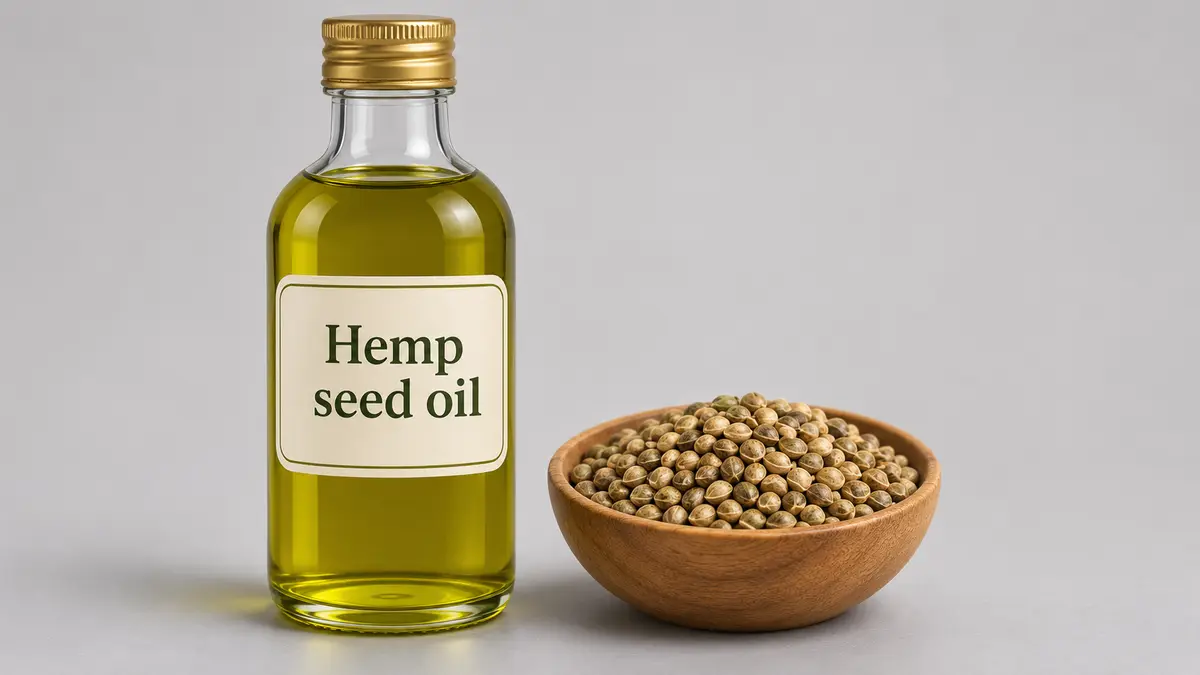
Duty depends on processing and intended use
Read from the UK Trade Tariff on 30 September 2026, heading 1515 covers fixed vegetable or microbial oils and their fractions, whether refined or not, but not chemically modified. Relevant liquid hemp seed oil entries carry 6% for crude food oil and 8% for other food oil. Technical or industrial entries excluding food manufacture carry 2% crude and 4% otherwise. The supplied entries show no anti-dumping or countervailing duty.
The refined other-oil line has a suspension restricted to specified arachidonic-acid or docosahexaenoic-acid oils; do not assume hemp seed oil qualifies. The tariff attaches organic controls to the food-oil lines, and CITES and waste import and export controls to all selected lines. Organic food from China needs a Great Britain certificate of inspection for each consignment. Ask your broker to confirm importer certification, exporter eligibility and whether CITES or waste requirements apply.
CITES permits are required for species listed in the relevant annexes. Waste shipments under notification controls need consent from the dispatch, destination and transit authorities before shipping. Confirm the applicable requirements for your actual goods with your broker. For classification, provide the processing method, composition and intended use when finding your commodity code. See the wider unmodified-oil guide.
| Goods | Commodity code | Duty | Anti-dumping or countervailing duty on China |
|---|---|---|---|
| Crude hemp seed oil for technical or industrial use, excluding food manufacture | 1515 90 40 00 | 2% | None |
| Crude liquid hemp seed oil, other than technical or industrial use | 1515 90 59 00 | 6% | None |
| Other hemp seed oil for technical or industrial use, excluding food manufacture | 1515 90 60 00 | 4% | None |
| Other liquid hemp seed oil, including refined food oil | 1515 90 99 99 | 8% | None |
Specify seed origin, processing and freshness
Specify oil pressed from hemp seeds, the seed source, cold-pressed or refined processing, filtration, intended food or technical use, and any added ingredients. This guide covers seed oil rather than cannabinoid extracts or finished cosmetic products. Official guidance lists hemp seed oil among non-novel foods.
Agree a fatty acid profile, acid value, peroxide value, moisture, sediment, colour and odour against an approved sample. Ask for batch testing covering cannabinoid content, pesticide residues and metals, with the laboratory methods and reporting limits stated. Agree storage conditions, remaining shelf life, light protection and drum or bottle compatibility before ordering.
Worked duty example
Illustrative example, not a quote: Illustrative order: 5 tonnes of refined food-grade hemp seed oil in sealed drums under 1515 90 99 99, invoiced at £18,000 free on board, with £1,500 of freight and insurance to the UK. The customs value is £19,500. Duty at 8% is £1,560. Import VAT at 20% is charged on the customs value plus duty, £21,060, so it is £4,212. Import taxes total £5,772; a VAT-registered importer can usually reclaim the VAT, so the lasting cost is the £1,560 of duty. The import duty and VAT guide explains each step. This assumes the goods are standard-rated for VAT. Most food for human consumption is zero-rated, and animal feed can be too, in which case no import VAT is due, so check the rate for your product in HMRC's VAT Notice 701/14.
Inspection checklist
Identity: match the batch analysis and fatty acid profile to the approved hemp seed oil specification; investigate undeclared blending or added extracts.
Freshness: check acid and peroxide values, odour, colour and sediment against agreed acceptance criteria; compare arrival samples with retained shipment samples.
Packaging: check clean, sealed containers, leaks, closure integrity and batch identification; match storage records and shelf-life information to the purchase order.
Documents: match the invoice, packing list and analysis certificate to the delivered batch. For organic food, check the consignment certificate of inspection; resolve tariff-control questions before dispatch.
Working out your own order? Send us the product on WhatsApp and we reply the same working day: WhatsApp us
What goes wrong
A supplier's description of “hemp oil” can leave the plant part and processing unclear. Reject an ambiguous specification before placing an order. Undeclared blending, added extracts or a change from crude to refined oil can make the delivered product different from the sample and undermine the classification evidence.
Oil can arrive with an unacceptable odour, raised oxidation results, sediment or leaking closures. Set acceptance criteria before shipment, retain sealed batch samples and compare dispatch and arrival results. Use testing and certification support to agree the laboratory brief.
Cambridge China Bridge sources these products for UK businesses, checking the factory and the documents before shipment. See factory verification. For repeat volumes, see container programmes.
Frequently asked questions
What is the UK import duty on hemp seed oil from China?
The supplied tariff data shows 6% for crude liquid food oil and 8% for other liquid food oil. Technical or industrial entries excluding food manufacture carry 2% crude or 4% otherwise.
Is hemp seed oil a novel food?
Official guidance lists hemp seed oil among non-novel foods. Specify seed-derived oil clearly and keep added extracts outside this buying specification.
What paperwork does organic hemp seed oil need?
Confirm importer certification and exporter eligibility with your broker before ordering.
How do I check hemp seed oil quality?
Compare batch fatty acid profile, acid value, peroxide value, moisture, sediment and odour with agreed criteria. Match independent test results and retained samples to the delivered batch.