Sourcing glutinous rice from China
Selected glutinous rice lines carry UK duty from £25 to £121 per 1000 kg for goods from China, depending on milling. Ask the relevant port health authority or your customs broker to confirm whether emergency import controls, laboratory analyses and health certificates apply to the shipment. Confirm shipment clearance arrangements before dispatch. Cambridge China Bridge sources glutinous rice.
Buying from China for a business? How our UK China sourcing agent service works · China sourcing agent for small orders and first imports
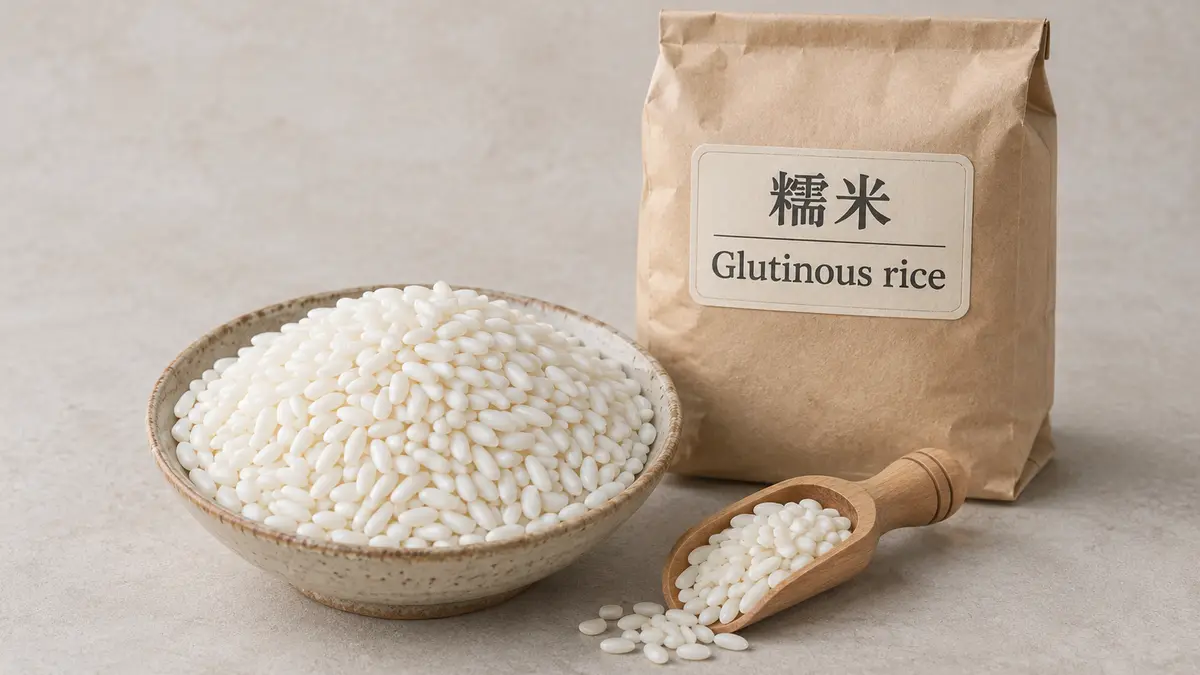
Glutinous rice duty and import controls
Heading 1006 covers rice. Glutinous rice classification depends on milling, parboiling, grain dimensions and pack size. The table shows candidate lines for matching specifications, not a dedicated glutinous-rice classification. Read from the UK Trade Tariff on 29 September 2026, the selected brown-rice line carries £25 per 1000 kg and the selected milled-rice lines carry £121 per 1000 kg for goods from China. The supplied record lists no anti-dumping or countervailing duty and no suspensions.
The supplied tariff attaches organic and genetically modified organism import controls. Ask the relevant port health authority or your customs broker to confirm whether emergency controls apply to the Chinese rice and which laboratory analyses, health certificates and commercial documents are needed. Confirm advance notification, any CHED-D requirement and whether a validated entry document is needed before removing the consignment from the border clearance area. For organic food, ask your approved organic control body to confirm the consignment inspection certificate and the checks needed against the non-UK organic registers for the exporter’s control body and country.
Give your broker the grain measurements, milling condition, parboiling status and immediate pack weight. Use finding your commodity code to confirm the line, and see the wider rice guide for the heading. No percentage-duty worked example applies to the selected food-rice lines because their duty is charged by weight.
| Goods | Commodity code | Duty | Anti-dumping or countervailing duty on China |
|---|---|---|---|
| Brown glutinous rice, not parboiled, round grain | 1006 20 92 00 | £25.00 per 1000 kg | None |
| Semi-milled glutinous rice, not parboiled, round grain, packs up to 5 kg | 1006 30 42 10 | £121.00 per 1000 kg | None |
| Wholly milled glutinous rice, not parboiled, round grain, packs over 5 to 20 kg | 1006 30 92 20 | £121.00 per 1000 kg | None |
| Wholly milled non-aromatic glutinous rice, long grain ratio at least 3, up to 5 kg | 1006 30 98 16 | £121.00 per 1000 kg | None |
Specify glutinous identity and cooking performance
Specify glutinous rice rather than ordinary rice described only as sticky after cooking. Name the variety, growing origin, brown or milled condition, grain shape and intended use, such as dumplings or rice desserts. Agree acceptance criteria for moisture, broken grains, foreign matter, discolouration and admixture with ordinary rice.
Approve a representative sample using your actual soaking and cooking process. Compare stickiness, grain integrity, texture and odour with the intended dish. Ask for batch-specific laboratory results and agree the sampling method before shipment. Confirm the food hygiene standards and procedures applicable to imported food cereals with the relevant food safety authority.
For pre-packed rice sold in Great Britain, include the responsible food business’s UK address or the UK importer’s address where applicable. The address must be a physical postal address. Pre-packed food usually needs a best before or use by date. Review the label artwork before printing.
Inspection checklist
Identity and cooking: compare samples drawn across the delivery with the approved grain and cooked sample; investigate inconsistent stickiness or mixed grain appearances.
Condition: check moisture results, broken grains, husks, stones, live insects, damp bags and musty odours against the agreed acceptance criteria.
Packing and weight: check seals, bag damage, water staining, net weight and readable batch markings. Plan quality inspection around representative samples.
Documents: match shipment and batch references across laboratory results, health certificates and commercial documents; for organic food, also check the consignment’s certificate of inspection.
What goes wrong
A grain sample can look acceptable but cook differently from the approved sample. Mixed varieties or ordinary-rice admixture can undermine the texture needed for dumplings and desserts. Keep a retained sample and use the same preparation method when comparing batches. Surface inspection can also miss damp or dusty grain deeper in bags.
A generic supplier test certificate does not establish the condition of the shipment lot. Missing import documents or unresolved entry arrangements can interrupt clearance. Confirm the attached controls with your broker before loading, and agree testing and certification around the actual rice and intended use.
Cambridge China Bridge sources these products for UK businesses, checking the factory and the documents before shipment. See factory verification. For repeat volumes, see container programmes.
Frequently asked questions
What is the UK import duty on glutinous rice from China?
The selected brown-rice line is £25 per 1000 kg; selected semi-milled and wholly milled lines are £121 per 1000 kg. These are weight-based duties. The supplied record lists no anti-dumping or countervailing duty.
What documents do Chinese glutinous rice imports need?
Ask your broker to confirm the CHED-D requirement and entry arrangements before dispatch.
Can I import organic glutinous rice from China?
For organic food entering Great Britain, ask your approved organic control body to confirm the inspection certificate needed for each consignment and the checks against the non-UK organic registers for the exporter’s control body and export country.
How do I check that the rice suits my recipes?
Approve a representative sample using your actual soaking and cooking process. Agree texture, stickiness, grain integrity and odour criteria, then repeat that comparison with samples drawn across the delivered batch.