Sourcing black rice from China
The selected black-rice lines carry UK duty from £25 to £121 per 1000 kg, depending on processing. Rice from China is subject to controls for unauthorised genetically modified material and must enter Great Britain through an authorised border control post. Cambridge China Bridge sources black rice.
Buying from China for a business? How our UK China sourcing agent service works · China sourcing agent for small orders and first imports
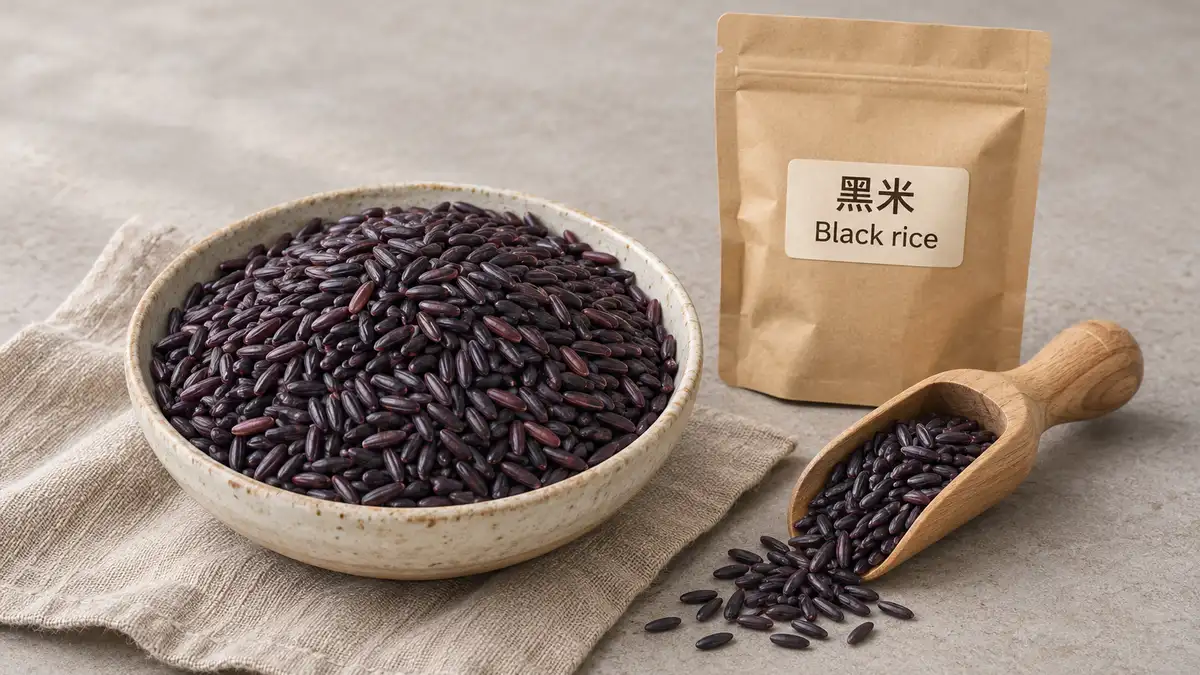
Black-rice duty and import controls
Heading 1006 covers rice. These black-rice candidates distinguish husked grain from semi-milled grain, alongside grain shape and packing. Black colour alone does not settle classification. Confirm the actual milling condition before choosing a line. For other rice forms, see the rice sourcing guide.
Read from the UK Trade Tariff on 29 September 2026, the selected husked lines carry £25 per 1000 kg and the selected semi-milled lines £121 per 1000 kg for goods from China. The supplied record lists no anti-dumping or countervailing duty and no suspensions. It attaches organic and genetically modified organism import controls. These are weight-based duties; none of these rows supports a percentage-duty worked example.
China-origin rice must enter Great Britain through a border control post authorised for the genetically modified organism controls. Confirm the attached control's entry-document and testing requirements with your customs broker and Port Health Authority before dispatch. For organic food, confirm consignment certificate-of-inspection requirements and exporter register checks with your approved organic control body and customs broker. Give your broker the grain and packing specification and use finding your commodity code.
| Goods | Commodity code | Duty | Anti-dumping or countervailing duty on China |
|---|---|---|---|
| Husked black rice, not parboiled, round grain | 1006 20 92 00 | £25.00 per 1000 kg | None |
| Husked black rice, not parboiled, other non-aromatic grain | 1006 20 99 99 | £25.00 per 1000 kg | None |
| Semi-milled black rice, not parboiled, round grain, packs up to 5 kg | 1006 30 42 10 | £121.00 per 1000 kg | None |
| Semi-milled black rice, not parboiled, medium grain, packs up to 5 kg | 1006 30 44 10 | £121.00 per 1000 kg | None |
Specify black-rice variety and milling
State the variety, whether it is glutinous or non-glutinous, and whether the order is pure black rice or a blend. Describe husk removal, retained outer layers, any further milling and any parboiling. Agree grain shape, colour variation, broken kernels, moisture, foreign matter and packing in writing.
Approve a representative raw sample and assess a cooked sample using your intended preparation. Compare texture, aroma and consistency between batches. Confirm the food hygiene standards and procedures applicable to imported food cereals with the relevant food authority.
Arrange batch-specific laboratory checks for pesticide residues, mould toxins and other contaminants relevant to the intended use. Review retail label artwork before printing: pre-packed food needs a business name and address, usually a best-before or use-by date, and a UK address for the responsible food business or importer.
Inspection checklist
Identity: compare variety, grain shape, retained outer layers and any mixed grains with the approved sample.
Condition: sample across bags for dampness, musty odours, insects, stones and excessive broken kernels.
Packing: check seals, punctures, water staining, net weight and readable batch markings.
Documents: match batch markings to laboratory reports and shipment records; for organic food, check the consignment certificate of inspection.
What goes wrong
An attractive surface sample can conceal mixed grain, uneven moisture or excessive broken kernels elsewhere in the shipment. Glutinous and non-glutinous samples can also produce different cooking results. Keep a reference sample and agree sampling and cooking methods before accepting the shipment.
A supplier's assurance that rice is not genetically modified does not resolve the attached import control. Confirm the entry route, documents and testing with your broker and Port Health Authority before loading. Visual inspection cannot establish contaminant results; arrange testing and certification against the shipment batch.
Cambridge China Bridge sources these products for UK businesses, checking the factory and the documents before shipment. See factory verification. For repeat volumes, see container programmes.
Frequently asked questions
What is the UK import duty on black rice from China?
The selected husked black-rice lines carry £25 per 1000 kg; the selected semi-milled lines carry £121 per 1000 kg. Duty is weight-based. The supplied record lists no anti-dumping or countervailing duty.
Does Chinese black rice need special import checks?
Confirm documents and testing with your broker and Port Health Authority.
Can I import organic black rice from China?
For organic food entering Great Britain, confirm certificate-of-inspection requirements for each consignment and checks of the exporter's control body and export country against the non-UK organic registers with your approved organic control body and customs broker.
What should I check in a black-rice sample?
Check variety, glutinous or non-glutinous character, milling, colour, mixed grains, broken kernels and odour. Compare cooked texture with your intended use and request laboratory results for the shipment batch.