Sourcing gemstone gua sha tools from China
Heading 7116 carries UK duty of 0% to 2% for goods from China; gemstone gua sha tools within its other stone articles line carry 2%. You must not sell consumer products you know, or should know, are unsafe. Check stone identity, cracks and polished edges. Cambridge China Bridge sources gemstone gua sha tools.
Buying from China for a business? How our UK China sourcing agent service works · China sourcing agent for small orders and first imports
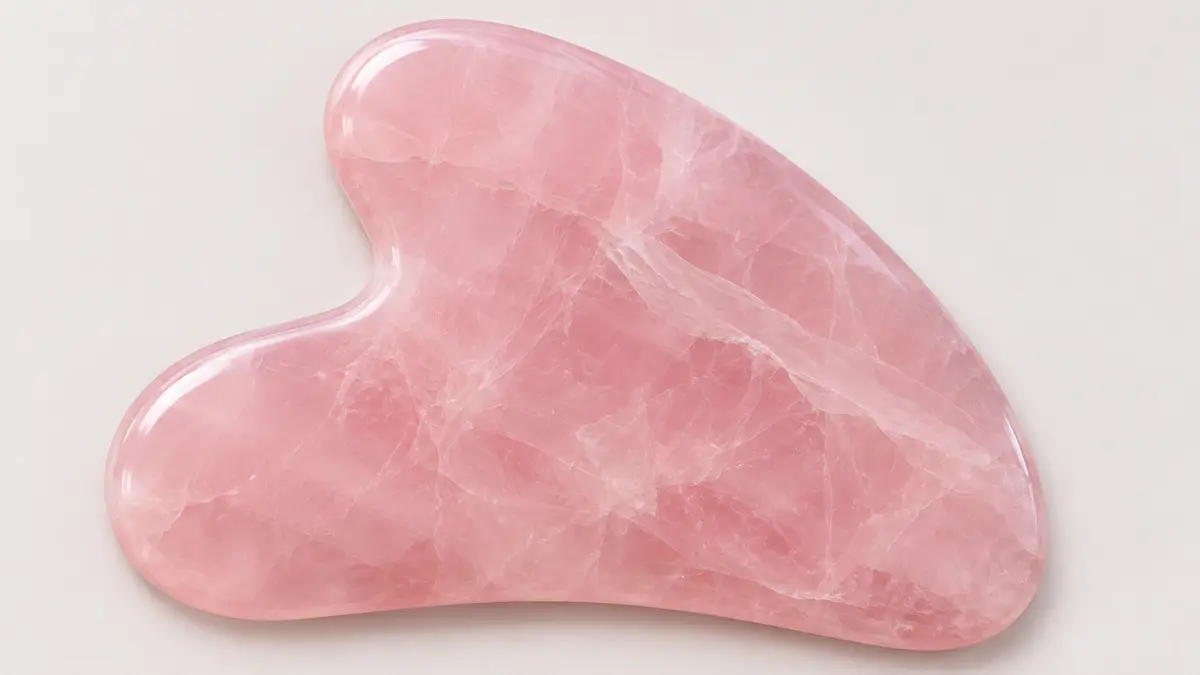
2% duty on gemstone gua sha tools
Read from the UK Trade Tariff on 4 October 2026, heading 7116 covers articles of natural or cultured pearls and precious or semi-precious stones, including natural, synthetic and reconstructed stones. Gemstone gua sha tools within this heading fall under other stone articles, 7116 20 80 00. The table shows material variants sharing this code.
The supplied tariff record lists 2% duty for this line on goods from China, with no anti-dumping or countervailing duty and no suspension. It attaches a restriction on entry into free circulation referring to Russia sanctions. Importers should check where goods were originally consigned from. Ask your customs broker to confirm the attached control's requirements for your China shipment before ordering.
Confirm the commodity code using the actual stone composition and finished tool description, rather than the supplier's material name alone. For the wider stone-article heading, see carved agate coasters.
| Goods | Commodity code | Duty | Anti-dumping or countervailing duty on China |
|---|---|---|---|
| Rose quartz gua sha tools | 7116 20 80 00 | 2% | None |
Specify the stone and skin-contact edges
Specify the mineral identity, whether natural, synthetic or reconstructed, and any dye, resin filling or surface coating. For jade, ask the supplier to identify the mineral rather than simply writing jade. Agree an acceptable range of colour and veining using approved samples.
Define the outline, notch shape, length, width, thickness and edge profile on a drawing. Specify smooth polishing across every skin-contact edge, acceptable surface pits and individual protective packing. Ask for cleaning instructions and trial the sample with your intended cleaning method.
You must not sell consumer products you know, or should know, are unsafe. Assess the finished tool for sharp edges, chips and cracks that could open during use. Keep the approved sample and inspection records together.
Worked duty example
Illustrative example, not a quote: 200 rose quartz gua sha tools, illustrative order under 7116 20 80 00, invoiced at £1,500 free on board, with £150 of freight and insurance to the UK. The customs value is £1,650. Duty at 2% is £33. Import VAT at 20% is charged on the customs value plus duty, £1,683, so it is £336.60. Import taxes total £369.60; a VAT-registered importer can usually reclaim the VAT, so the lasting cost is the £33 of duty. The import duty and VAT guide explains each step.
Inspection checklist
Identity: compare the batch with the approved stone specification and written treatment disclosure; arrange independent identification if the material claim is uncertain.
Edges: inspect the notch, curved working edge and tips for chips, burrs and uneven polishing; check for snagging with a soft cloth.
Cracks and shape: inspect under angled light for fractures, repaired areas and surface pits, then compare dimensions and contour with the approved drawing.
Packing: check that tools cannot strike each other, inspect arrival damage and match product references to the order. Use the quality inspection guide to prepare the inspection brief.
Working out your own order? Send us the product on WhatsApp and we reply the same working day: WhatsApp us
What goes wrong
Buying risks include stone names that do not identify the mineral, undisclosed dye or resin, uneven thickness, chipped notches and cracks concealed by polishing. Colour variation can be acceptable, but agree its range before production so the factory cannot use it to excuse material substitutions.
A sample may arrive intact while the shipment suffers edge damage because tools move inside their boxes. Inspect packing as well as the stone, isolate damaged pieces and compare the batch with the approved sample before releasing stock.
Cambridge China Bridge sources these products for UK businesses, checking the factory and the documents before shipment. See factory verification. For own-brand ranges, see sourcing for brands.
Frequently asked questions
What is the UK import duty on gemstone gua sha tools from China?
The supplied tariff record lists 2% for other precious or semi-precious stone articles under 7116 20 80 00, with no anti-dumping or countervailing duty and no suspension.
How do I check whether a gua sha tool is really jade?
Ask for the mineral identity and written disclosure of dye, filling and reconstruction. If the claim matters to your range, have a sample independently identified rather than relying on colour or the supplier's label.
What should I inspect when gua sha tools arrive?
Check stone identity against the specification, inspect working edges and notches for chips, look for cracks under angled light, and check dimensions and protective packing.
Does shipping from China resolve the tariff sanctions control?
Check where the goods were originally consigned from. The tariff record attaches a Russia-related restriction; ask your customs broker to confirm its requirements for the actual shipment.