Sourcing fresh pomegranates from China
Fresh pomegranates from China carry 8% UK duty, with no trade remedy or suspension recorded for their line. Fresh fruit must meet quality and labelling requirements. Confirm plant-health requirements before dispatch and organic clearance documents where applicable. Cambridge China Bridge sources fresh pomegranates.
Buying from China for a business? How our UK China sourcing agent service works · China sourcing agent for small orders and first imports
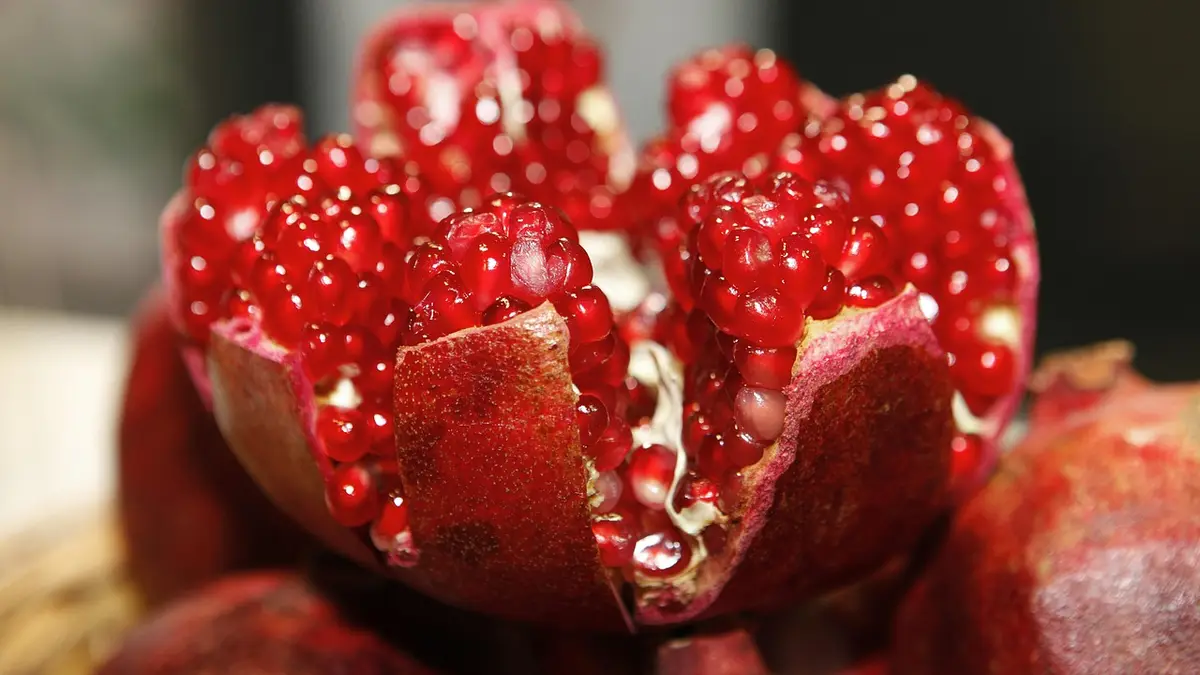
Fresh pomegranate duty and import checks
Read from the UK Trade Tariff on 29 September 2026, heading 0810 covers other fresh fruit. Fresh pomegranates have their own code, 0810 90 75 30, carrying 8% duty for goods from China. The supplied record shows no anti-dumping or countervailing duty and no suspension for this line. The other table entries provide heading comparisons; they are separate fruits.
The tariff attaches an import control of organic products. For organic produce, a certificate of inspection needs endorsement before release into free circulation. Confirm the China-specific organic paperwork with your customs broker before dispatch. Importers must also check whether their fruit requires phytosanitary certification for entry into Great Britain; ask your broker to confirm the requirements for the proposed shipment.
Confirm the whole fresh product and its commodity code before ordering. For related purchases within the wider heading, see the fresh persimmon guide. This guide concerns whole fresh pomegranates rather than a quotation for processed fruit.
| Goods | Commodity code | Duty | Anti-dumping or countervailing duty on China |
|---|---|---|---|
| Fresh pomegranates | 0810 90 75 30 | 8% | None |
| Fresh persimmons, for heading comparison | 0810 70 00 00 | 8% | None |
| Fresh Barbary figs, for heading comparison | 0810 90 75 50 | 8% | None |
| Fresh medlars, for heading comparison | 0810 90 75 60 | 8% | None |
Specify the peel, seeds and eating quality
Specify the variety, growing region, harvest lot, fruit weight range, carton count, peel colour and acceptable surface scarring. Agree seed colour, sweetness, acidity and seed hardness using cut fruit from a representative sample. State whether the fruit is intended for whole-fruit retail sale or catering preparation.
Agree limits for split peel, bruising, shrivelling, crown damage and internal browning. Set carton strength, fruit separation, ventilation and storage conditions with the packer and carrier. Request lot-linked pesticide residue test reports and treatment records before approving dispatch. Fresh fruit must meet quality and labelling requirements.
For the illustrative order, the FOB and freight figures are assumptions rather than supplier prices. Confirm the packer's ability to maintain the agreed condition during transport before using any landed-cost calculation.
Worked duty example
Illustrative example, not a quote: 5 tonnes of whole fresh pomegranates; illustrative order, not a quotation under 0810 90 75 30, invoiced at £20,000 free on board, with £1,800 of freight and insurance to the UK. The customs value is £21,800. Duty at 8% is £1,744. Import VAT at 20% is charged on the customs value plus duty, £23,544, so it is £4,708.80. Import taxes total £6,452.80; a VAT-registered importer can usually reclaim the VAT, so the lasting cost is the £1,744 of duty. The import duty and VAT guide explains each step. This assumes the goods are standard-rated for VAT. Most food for human consumption is zero-rated, and animal feed can be too, in which case no import VAT is due, so check the rate for your product in HMRC's VAT Notice 701/14.
Inspection checklist
Exterior: check peel splits, soft patches, mould around the crown, bruising and shrivelling against the agreed acceptance criteria.
Interior: cut fruit drawn across the lot and check seed colour, internal browning, odour, taste and seed hardness.
Packing: check fruit count, weight, cushioning, carton condition and labels against the order, including the stated Chinese origin and lot reference.
Arrival: inspect wet cartons and pressure damage, review transport temperature records, and compare arrival condition with dispatch photographs. Arrange quality inspection around these checks.
Working out your own order? Send us the product on WhatsApp and we reply the same working day: WhatsApp us
What goes wrong
An attractive peel can hide brown or deteriorated seeds. Mixed varieties can produce inconsistent sweetness and seed hardness, while pressure damage and split peel reduce usable yield. Inspect cut fruit as well as the exterior, and record defects by lot rather than accepting photographs of selected fruit.
Organic claims can create a clearance problem if the certificate has not been endorsed. Resolve paperwork before shipment and agree how damaged or internally defective fruit will be assessed on arrival. Keep the harvest lot, packing records and inspection photographs together.
Cambridge China Bridge sources these products for UK businesses, checking the factory and the documents before shipment. See factory verification. For repeat volumes, see container programmes.
Frequently asked questions
What is the UK import duty on fresh pomegranates from China?
The supplied tariff record shows 8% for 0810 90 75 30, with no anti-dumping or countervailing duty and no suspension.
Do fresh pomegranates need a phytosanitary certificate?
Importers must check whether phytosanitary certification is required for entry into Great Britain. Confirm the requirements for Chinese pomegranates with your customs broker before dispatch.
Can I import organic pomegranates from China?
The tariff attaches an organic import control. Organic produce needs an endorsed certificate of inspection before release into free circulation. Confirm the China-specific paperwork before ordering.
How do I check pomegranate quality on arrival?
Check splits, crown mould, soft patches and carton damage. Cut representative fruit to inspect seed colour, internal browning, taste and seed hardness, then compare with the agreed specification.