Sourcing fresh pak choi from China
Fresh pak choi from China carries 12% UK duty under the other-brassicas line; the wider heading ranges from 8% to 12%. Ask your customs broker to confirm certificate of inspection requirements for organic consignments entering Great Britain. Confirm plant-health paperwork before dispatch and agree leaf condition, trimming and cooling. Cambridge China Bridge sources fresh pak choi.
Buying from China for a business? How our UK China sourcing agent service works · China sourcing agent for small orders and first imports
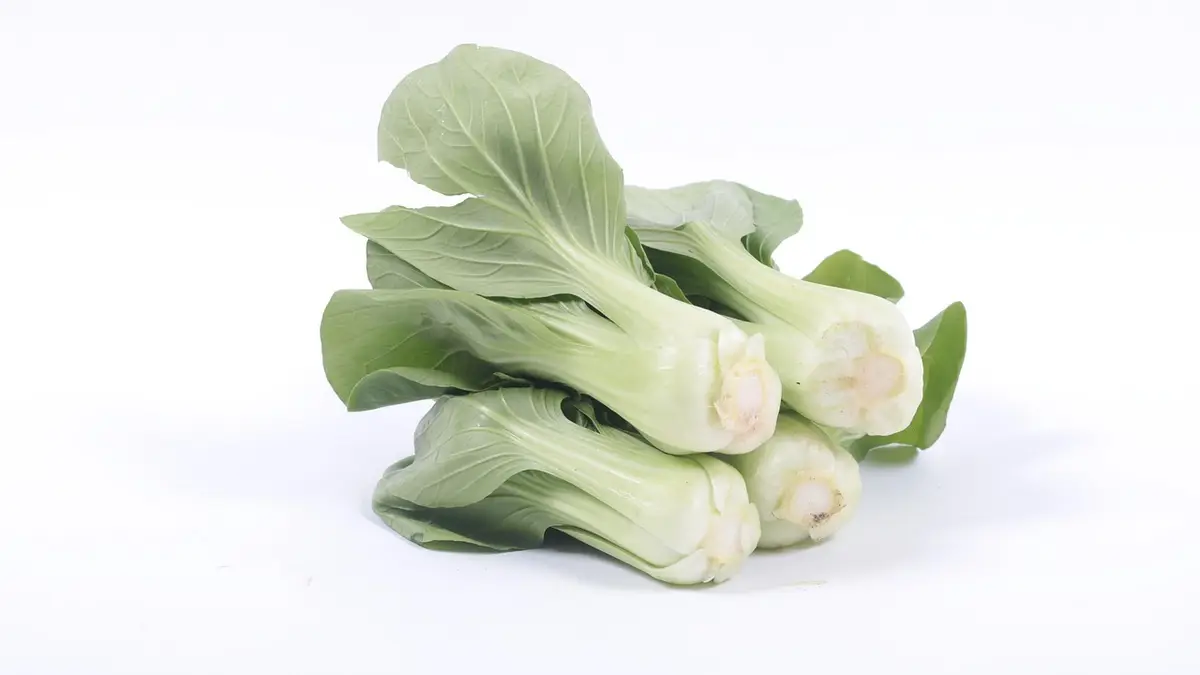
Pak choi duty and consignment documents
Read from the UK Trade Tariff on 29 September 2026, heading 0704 covers fresh or chilled cabbages, cauliflowers, kohlrabi, kale and similar edible brassicas. Fresh pak choi falls within the other-brassicas description under 0704 90 90 00, carrying 12% duty for goods from China. The supplied data lists no anti-dumping or countervailing duty and no suspensions. The table shows buying variants using the same tariff line.
The tariff attaches an import control of organic products. Ask your customs broker or approved organic control body to confirm whether each organic consignment from China entering Great Britain needs a certificate of inspection and how to check the exporter’s control body and export country against the recognised organic registers. The exporter’s control body issues the certificate. Separately, ask your customs broker to confirm the plant-health category for harvested pak choi. Medium-risk B goods require a phytosanitary certificate but do not need plant-health pre-notification.
Give your broker the product identity, photographs and fresh or chilled presentation to confirm the commodity code. These descriptions concern harvested vegetables for food. See the brassicas guide for the wider heading.
| Goods | Commodity code | Duty | Anti-dumping or countervailing duty on China |
|---|---|---|---|
| Fresh or chilled white-stem pak choi | 0704 90 90 00 | 12% | None |
Specify stems, leaf condition and trimming
Specify white or green stems, baby or mature plants, whole plants or separated leaves, size range and pack format. Agree root removal, base trimming and how much outer leaf may be removed. Use photographs to define acceptable yellowing, torn leaves, insect damage and bruising, so trimming cannot hide an unsuitable crop.
Agree pre-cooling, chilled transport, temperature records and remaining saleable life on arrival. Request a lot-specific pesticide residue report against GB maximum residue levels. Fresh produce must meet marketing quality and labelling requirements in England and Wales. Include country of origin, lot identity and pack weight in the packaging brief.
Worked duty example
Illustrative example, not a quote: Illustrative order: 5 tonnes of chilled pak choi under 0704 90 90 00, invoiced at £18,000 free on board, with £3,500 of freight and insurance to the UK. The customs value is £21,500. Duty at 12% is £2,580. Import VAT at 20% is charged on the customs value plus duty, £24,080, so it is £4,816. Import taxes total £7,396; a VAT-registered importer can usually reclaim the VAT, so the lasting cost is the £2,580 of duty. The import duty and VAT guide explains each step. This assumes the goods are standard-rated for VAT. Most food for human consumption is zero-rated, and animal feed can be too, in which case no import VAT is due, so check the rate for your product in HMRC's VAT Notice 701/14.
Inspection checklist
Leaves and stems: sample across cartons for wilt, yellowing, split stems, bruising, pest damage and soft rot. Separate the leaves near the base to inspect hidden decay and trapped dirt.
Cooling: compare product temperatures and transport records with the agreed specification. Check condensation, wet cartons and signs of freezing damage.
Packing: check size, trimming, net weight, ventilation and carton strength against the order. Arrange loading checks using the quality inspection guide.
Documents: match carton lot codes to residue reports and shipping records. For organic orders, check that the certificate of inspection identifies the actual consignment.
Working out your own order? Send us the product on WhatsApp and we reply the same working day: WhatsApp us
What goes wrong
Warm loading and interrupted cooling leave leaves wilted and yellow. Excess moisture encourages decay at the base, while tight packing crushes stems and tears leaves. Inspect inside sampled cartons and between leaves rather than accepting the appearance of the top layer.
A supplier may substitute a different stem type or plant size, or remove damaged outer leaves until the delivered weight and appearance no longer match the order. Record trimming and rejection limits before purchase. Resolve organic certification and plant-health paperwork before dispatch rather than relying on a supplier’s general assurance.
Cambridge China Bridge sources these products for UK businesses, checking the factory and the documents before shipment. See factory verification. For repeat volumes, see container programmes.
Frequently asked questions
What is the UK import duty on fresh pak choi from China?
The supplied other-brassicas line, 0704 90 90 00, carries 12% duty for goods from China. No anti-dumping or countervailing duty or suspension is listed. Confirm the classification for your presentation.
Does organic pak choi from China need a certificate?
Ask your customs broker or approved organic control body to confirm whether each organic consignment entering Great Britain needs a certificate of inspection. The certificate is issued by the exporter’s control body. Ask how to check the control body and export country against the recognised organic registers.
Does fresh pak choi need plant-health paperwork?
Ask your broker to confirm the category for harvested pak choi from China.
What should I check when fresh pak choi arrives?
Check leaf firmness, yellowing, stem bruising, base rot, pests, trimming, net weight and temperature records. Match carton lots to residue reports and compare remaining saleable life with the purchase specification.