Sourcing Fish Sauce from China
Fish sauce and the fish-based blends listed here carry 6% UK duty from China, so the duty range is a flat 6%. Before ordering for Great Britain, check the exporting country and factory approvals and agree the veterinary import route. Confirm fish allergen labelling requirements with the relevant food authority. Cambridge China Bridge sources fish sauce.
Buying from China for a business? How our UK China sourcing agent service works · China sourcing agent for small orders and first imports
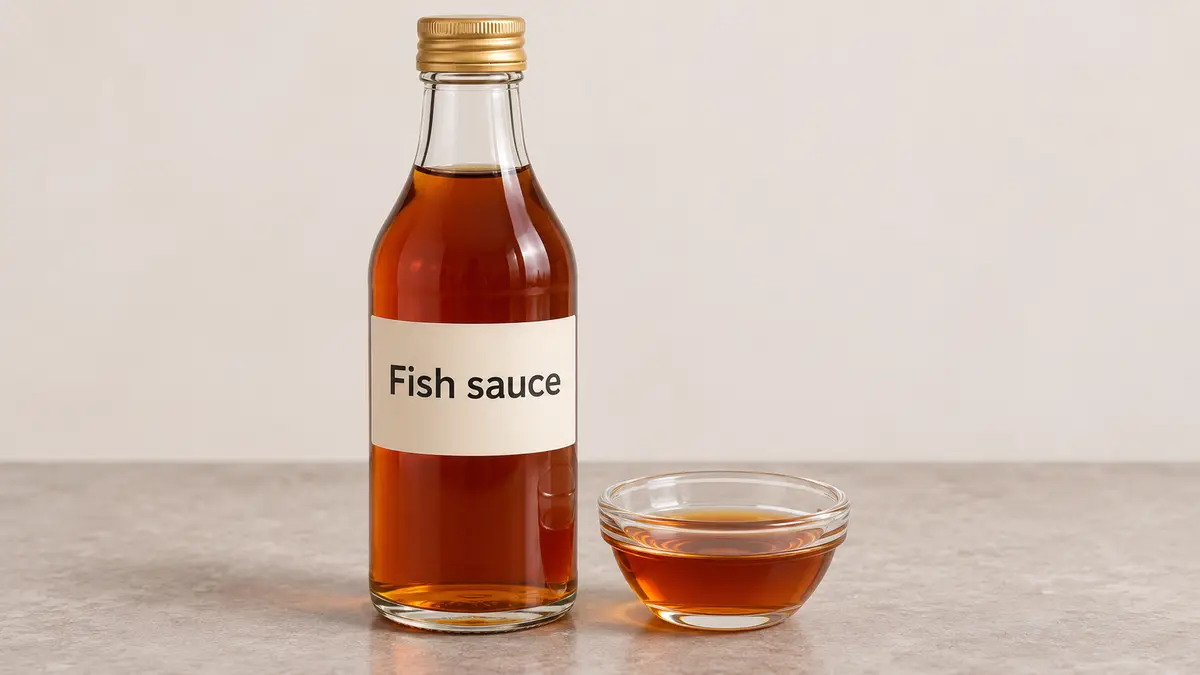
Fish sauce duty and border controls
Read from the UK Trade Tariff on 30 September 2026, heading 2103 covers sauces, sauce preparations, mixed condiments, seasonings and mustard. Ordinary fish sauce without tomato generally falls under 2103 90 90 89. The table also includes recipe-dependent fish-based blends; the MSG-rich lines are not ordinary fermented fish sauce. The listed lines carry 6% duty from China, with no recorded anti-dumping or countervailing duty.
The suspension under 2103 90 90 89 is limited to a specified fermented red cayenne pepper preparation and does not cover ordinary fish sauce. The tariff attaches veterinary, organic and GM-product controls to the listed lines. Fishery imports require advance notification and a designated border control post. Organic imports from China require a Great Britain certificate of inspection for each consignment. For Chinese rice-containing sauces, confirm with your customs broker and port health authority whether a common health entry document is required and which other documents apply.
Fix the recipe before confirming the commodity code. Ask the broker and port health authority to confirm whether the finished product follows the fishery-product or composite-product route. Do not infer import permission from a tariff code. Our oyster sauce guide covers another animal-origin sauce within the wider heading.
| Goods | Commodity code | Duty | Anti-dumping or countervailing duty on China |
|---|---|---|---|
| Fish sauce and fish-based sauce blends without tomato, other | 2103 90 90 89 | 6% | None |
| Fish-based sauce blends containing tomato, other | 2103 90 90 19 | 6% | None |
| Fish-based seasoning mixtures without tomato, MSG at least 50% of dry weight | 2103 90 90 81 | 6% | None |
| Fish-based seasoning mixtures with tomato, MSG at least 50% of dry weight | 2103 90 90 11 | 6% | None |
Specify the fish, fermentation and finished sauce
Specify the fish species and origin, fermentation process, fish extract content, salt, total nitrogen, colour, aroma and filtration. Identify added water, sugar, flavour enhancers, preservatives and any rice-derived ingredients. Approve a retained sample and agree how the factory will report recipe changes. Specify bottle material, closure, net contents, storage conditions and remaining shelf life on arrival.
Before ordering, check that the exporting country and establishment are approved for the product. Fishery products from species capable of histamine formation are medium risk and require a health certificate. Confirm with port health how to submit the import notification through IPAFFS. Confirm the species and finished recipe with port health rather than assuming an ambient bottle needs no veterinary paperwork.
Worked duty example
Illustrative example, not a quote: Illustrative order: 12 tonnes of bottled fish sauce, not a quotation under 2103 90 90 89, invoiced at £24,000 free on board, with £3,000 of freight and insurance to the UK. The customs value is £27,000. Duty at 6% is £1,620. Import VAT at 20% is charged on the customs value plus duty, £28,620, so it is £5,724. Import taxes total £7,344; a VAT-registered importer can usually reclaim the VAT, so the lasting cost is the £1,620 of duty. The import duty and VAT guide explains each step. This assumes the goods are standard-rated for VAT. Most food for human consumption is zero-rated, and animal feed can be too, in which case no import VAT is due, so check the rate for your product in HMRC's VAT Notice 701/14.
Inspection checklist
Recipe and taste: compare the production batch with the approved sample for saltiness, aroma, colour and clarity; reconcile the ingredient declaration with the agreed recipe.
Batch testing: obtain batch-linked histamine and microbiological results and compare salt and total nitrogen with the purchase specification. Agree the laboratory test plan through testing and certification.
Labels and records: check the English label, emphasised fish allergen and any wheat or soya allergens against the recipe. Match batch codes, date marks and carton records to the supplied test reports.
Bottles and cartons: check seals, leakage, cracked glass, closure damage and net contents. Inspect wet cartons and compare any sediment with the approved sample before accepting the batch.
Working out your own order? Send us the product on WhatsApp and we reply the same working day: WhatsApp us
What goes wrong
A sample can taste acceptable while the production batch is diluted, excessively salty or made to a changed recipe. Histamine results need separate checking; tasting is not a substitute for laboratory evidence. Added wheat, soya or rice can change the label or import paperwork. Hold acceptance until the recipe, batch reports and supplied goods agree.
Another failure is ordering from a factory before its approval and certification route have been checked. Leaking closures then create a separate arrival problem even when the paperwork is correct. Agree document responsibility before shipment, retain batch samples and record arrival defects using the inspection guide.
Cambridge China Bridge sources these products for UK businesses, checking the factory and the documents before shipment. See factory verification. For repeat volumes, see container programmes.
Frequently asked questions
What is the UK import duty on fish sauce from China?
Ordinary fish sauce under 2103 90 90 89 carries 6% duty in the supplied tariff snapshot. No anti-dumping or countervailing duty is recorded. The narrow cayenne-pepper suspension does not cover ordinary fish sauce.
Does shelf-stable fish sauce need a health certificate?
Shelf stability alone does not settle this. Confirm the species, recipe and import route with port health.
What should I test in a fish sauce batch?
Agree batch-linked histamine and microbiological testing, plus salt and total nitrogen checks against your specification. Compare taste, colour and clarity with the approved sample, and test bottle seals separately.
Can I import organic fish sauce from China?
Check eligibility with your organic control body before ordering. Imports require a Great Britain certificate of inspection for each consignment and checks against the non-UK organic registers, alongside the animal-origin controls.
Sources
- UK Trade Tariff — commodity codes and duty
- Importing fishery products or bivalve molluscs
- Importing or moving fish to the UK
- Importing organic food, feed and seed to the UK
- Technical questions and answers about sanitary and phytosanitary controls
- Food labelling: giving food information to consumers
- HMRC — Food products (VAT Notice 701/14)