Sourcing fish glue from China
Fish glue from China under 3503 00 80 00 carries 0% UK duty, with no anti-dumping or countervailing duty listed. The tariff attaches veterinary control, so confirm the import conditions for the exact product before ordering. Specify fish source, preparation method and bond performance. Cambridge China Bridge sources fish glue.
Buying from China for a business? How our UK China sourcing agent service works · China sourcing agent for small orders and first imports
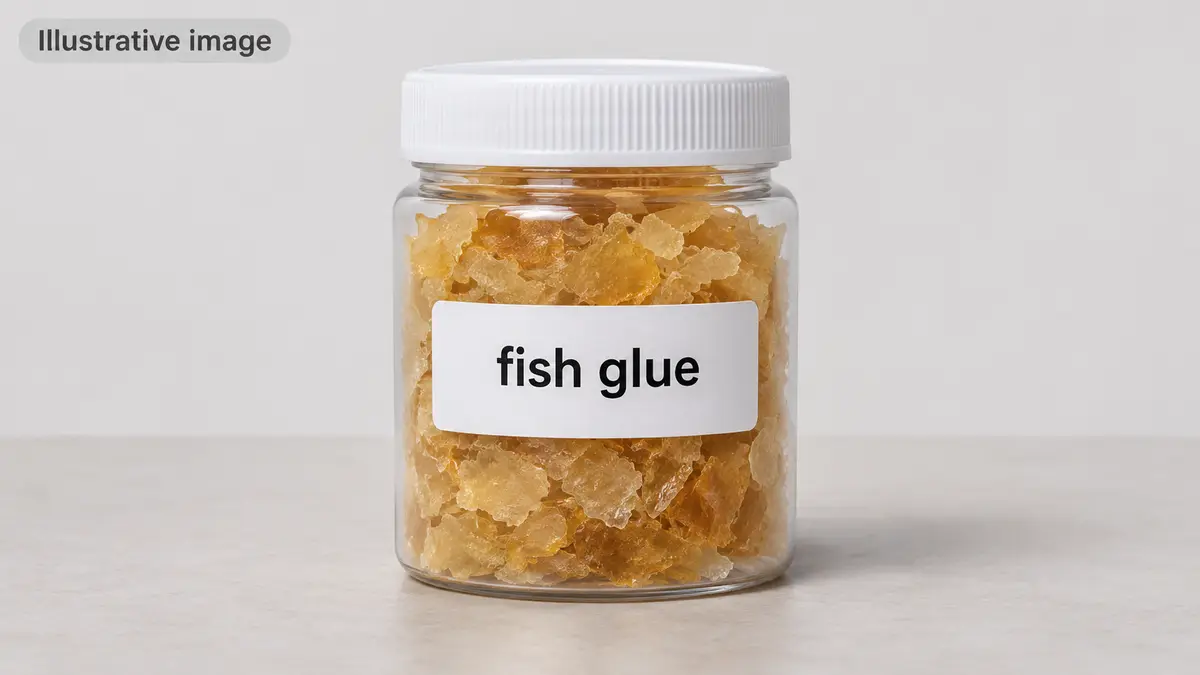
Zero duty, with veterinary control to confirm
Read from the UK Trade Tariff on 2 October 2026, heading 3503 covers gelatin and its derivatives, isinglass and other animal glues, excluding casein glues. This guide concerns fish glue bought as an adhesive. The table shows different physical forms sharing the same tariff line, rather than separate commodity classifications. For the wider animal-glue context, see technical hide glue.
Fish glue within 3503 00 80 00 carries 0% duty for goods from China. The supplied tariff record lists no anti-dumping or countervailing duty and no suspension. It attaches veterinary control. The exact import route for finished fish glue was not established from the official guidance reviewed: ask your customs broker to confirm the applicable requirements with the Animal and Plant Health Agency before ordering. Follow any applicable import information note; a general licence or authorisation may otherwise be needed.
The tariff also attaches import and export waste controls. Waste shipment controls apply only when the material is waste. For imports into England under notification controls, the Chinese exporter applies to its competent authority; shipment requires consent from the authorities concerned. Ask your broker to confirm applicability to the consignment, including any return shipment. Confirm composition, processing and packing through finding your commodity code.
| Goods | Commodity code | Duty | Anti-dumping or countervailing duty on China |
|---|---|---|---|
| Fish glue in powder form | 3503 00 80 00 | 0% | None |
Specify the fish source and the working glue
State the fish species, source tissue and whether other animal proteins are acceptable. Ask for the complete formulation, including preservatives and other additives. Describe the required physical form, colour, odour, moisture and insoluble residue. Agree viscosity at a stated preparation concentration and temperature, and retain an approved sample.
For furniture repairs, veneers or craft assembly, trial the glue on your actual substrates. Agree preparation instructions, spreading method, working time, clamping conditions, dried bond appearance and the required bond test. If reversibility matters, test the proposed removal method on the actual finish.
For sale in Great Britain, review classification, labelling and packaging against the chemical supply rules using the complete formulation. For hazardous adhesive mixtures, check the English hazard information and safety data sheet before approving packaging. Ask for storage instructions and evidence supporting the stated shelf life.
Worked duty example
Illustrative example, not a quote: Illustrative order: 100 kg of dry fish glue for a furniture workshop; FOB and freight values are illustrative. under 3503 00 80 00, invoiced at £2,400 free on board, with £1,500 of freight and insurance to the UK. The customs value is £3,900. Duty at 0% is £0. Import VAT at 20% is charged on the customs value plus duty, £3,900, so it is £780. With no duty, the only import tax is the VAT, which a VAT-registered importer can usually reclaim. The import duty and VAT guide explains each step.
Inspection checklist
Identity: check the fish-source declaration, formulation and batch analysis against the order and approved sample.
Preparation: check dissolution, insoluble residue and viscosity using the agreed concentration, temperature and preparation method.
Bond: check working behaviour, dried colour and adhesion on your actual wood, veneer, paper or other specified substrate.
Packing: check seals, moisture damage, batch identification and storage instructions; hold affected stock for assessment. See quality inspection explained.
Working out your own order? Send us the product on WhatsApp and we reply the same working day: WhatsApp us
What goes wrong
A fish-source description alone does not define adhesive performance. Undeclared blending, changed solids content or different processing can leave the glue too thin, too dark or unsuitable for the agreed preparation method. A successful bond on the supplier's test material may still fail on your finish or veneer.
Moisture-damaged dry glue can arrive clumped or mouldy. Compare each shipment with the retained sample and investigate unusual odour or residue before use. Resolve the veterinary-control route before dispatch rather than relying on the supplier's statement that the glue is for technical use.
Cambridge China Bridge sources these products for UK businesses, checking the factory and the documents before shipment. See factory verification. For repeat volumes, see container programmes.
Frequently asked questions
What is the UK import duty on fish glue from China?
The supplied tariff record gives 0% for fish glue within 3503 00 80 00, with no anti-dumping or countervailing duty listed. Veterinary and waste controls are attached.
Does technical fish glue need veterinary paperwork?
The tariff attaches veterinary control. Ask your broker to confirm the requirements for the exact formulation and processing with the Animal and Plant Health Agency before ordering.
What should I specify when buying fish glue?
Specify fish source, complete formulation, physical form, preparation method, viscosity, dried colour and bond performance on your actual substrates.
How do I check fish glue when it arrives?
Check batch identity, seals and moisture damage. Prepare a sample by the agreed method, compare viscosity and residue, and test the bond against the retained approved sample.