Sourcing hairless rabbit leather from China
Finished hairless rabbit leather from China has a single UK duty rate of 2% under 4113 90 00 00. Confirm the animal species and processing stage, and check whether CITES documentation applies before shipping. Specify usable cutting area rather than skin count alone. Cambridge China Bridge sources finished hairless rabbit leather.
Buying from China for a business? How our UK China sourcing agent service works · China sourcing agent for small orders and first imports
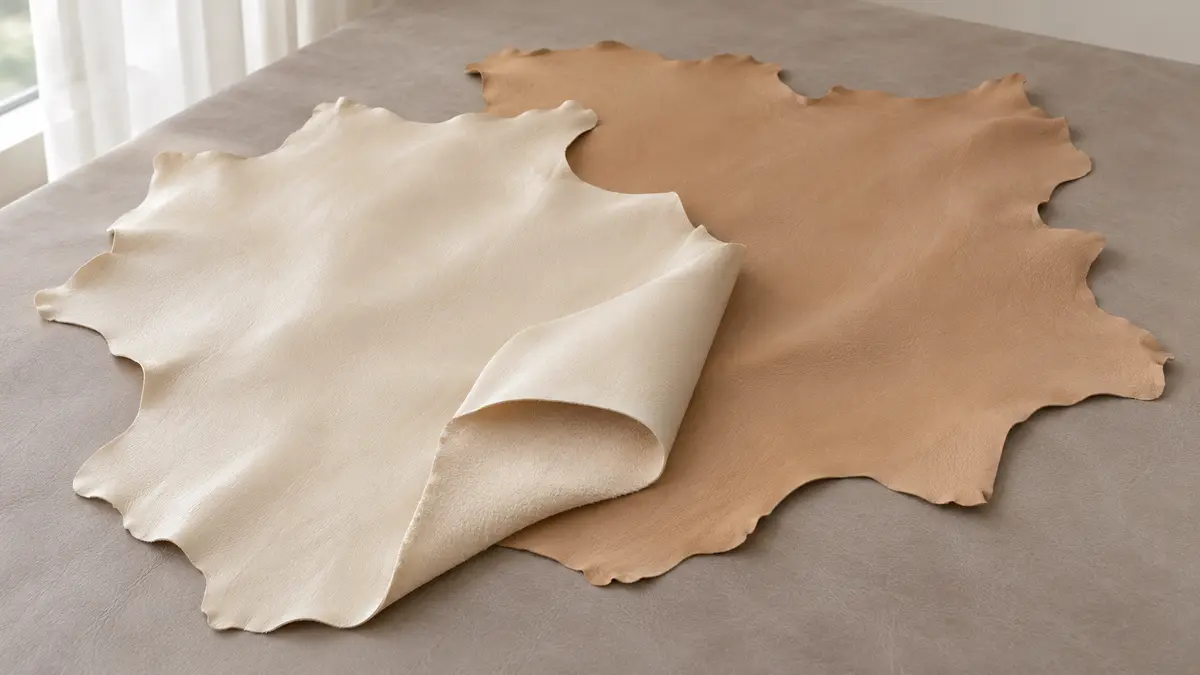
Duty and controls for finished rabbit leather
Read from the UK Trade Tariff on 29 September 2026, heading 4113 covers leather further prepared after tanning or crusting, without wool or hair, whether or not split, excluding leather of heading 4114. Finished hairless rabbit leather falls within the supplied “Other” line, 4113 90 00 00. The table repeats that line for different finishes. See the wider speciality leather guide.
The supplied China duty is 2%, with no anti-dumping duty, countervailing duty or suspension recorded for this line. The tariff attaches CITES, cat-and-dog-fur and seal-product import controls. CITES-listed specimens need the applicable documentation to enter Great Britain. Cat and dog fur imports are banned; seal products face a market ban with limited exceptions. Ask your customs broker to confirm which controls and declaration documents apply to the identified rabbit leather.
Give your broker the species identity, hairless condition, tanning and finishing description, photographs and intended use. Confirm the classification through finding your commodity code. The official treated-hide import note reviewed covers ungulates; do not assume it establishes the animal-health requirements for rabbit leather. Ask the Animal and Plant Health Agency to confirm the position for the actual product from China.
| Goods | Commodity code | Duty | Anti-dumping or countervailing duty on China |
|---|---|---|---|
| Finished hairless rabbit leather, undyed | 4113 90 00 00 | 2% | None |
Specify usable rabbit leather and its finish
Describe the material as finished rabbit leather with the hair removed. Ask for the scientific species name, origin records and a written account of tanning and finishing. Agree whether skins are whole or split, the thickness tolerance, colour, surface finish and intended cutting pattern.
Agree how usable area is measured and which holes, scars, thin edges and damaged areas are excluded. Approve a physical reference sample for softness, stretch and colour. Trial the material with your intended lining, adhesive and stitching before approving bulk production.
REACH restrictions can limit, ban or set conditions on substances placed on the market. Ask a laboratory to assess the applicable chemical restrictions for the leather and intended use. Include dye transfer and relevant tanning chemicals in your testing brief through testing and certification.
Worked duty example
Illustrative example, not a quote: Illustrative small batch of finished hairless rabbit skins under 4113 90 00 00, invoiced at £4,113 free on board, with £90 of freight and insurance to the UK. The customs value is £4,203. Duty at 2% is £84.06. Import VAT at 20% is charged on the customs value plus duty, £4,287.06, so it is £857.41. Import taxes total £941.47; a VAT-registered importer can usually reclaim the VAT, so the lasting cost is the £84.06 of duty. The import duty and VAT guide explains each step.
Inspection checklist
Identity: compare species and processing records with the order, and inspect for remaining hair or substituted material.
Cutting yield: check usable area, thickness variation, holes, scars and thin flanks against the agreed cutting pattern.
Finish: compare colour and softness with the approved sample; check rubbing transfer, coating cracks and surface tack.
Arrival condition: check for damp packaging, mould, sticking skins and fold damage; retain batch identification and photographs.
Working out your own order? Send us the product on WhatsApp and we reply the same working day: WhatsApp us
What goes wrong
A skin-count order can deliver the expected quantity but too little usable cutting area. Thin flanks, tears and irregular outlines can leave your pattern pieces unusable. Agree the area measurement and defect exclusions before comparing quotations.
A good surface finish can conceal weak leather, while a colour sample can conceal rubbing transfer. Test cut pieces through your actual sewing and bonding process. Keep disputed batches separate and compare them with the retained reference sample before processing the rest.
Cambridge China Bridge sources these products for UK businesses, checking the factory and the documents before shipment. See factory verification. For repeat volumes, see container programmes.
Frequently asked questions
What is the UK import duty on finished hairless rabbit leather from China?
The supplied tariff data gives 2% for 4113 90 00 00, with no anti-dumping duty, countervailing duty or suspension recorded for that line.
Does finished rabbit leather need CITES paperwork?
Check the scientific species identity. A control attached to the tariff code does not establish the status of your particular species.
Can I use the treated-hide guidance for rabbit leather?
The official import note reviewed covers ungulates. Ask the Animal and Plant Health Agency to confirm the animal-health position for your finished rabbit leather from China.
Should I order rabbit leather by skin count or area?
Specify usable cutting area as well as skin count. Agree exclusions for holes, scars, thin edges and damaged areas, then check the yield with your actual cutting pattern.