Sourcing Filter Press Cloths from China
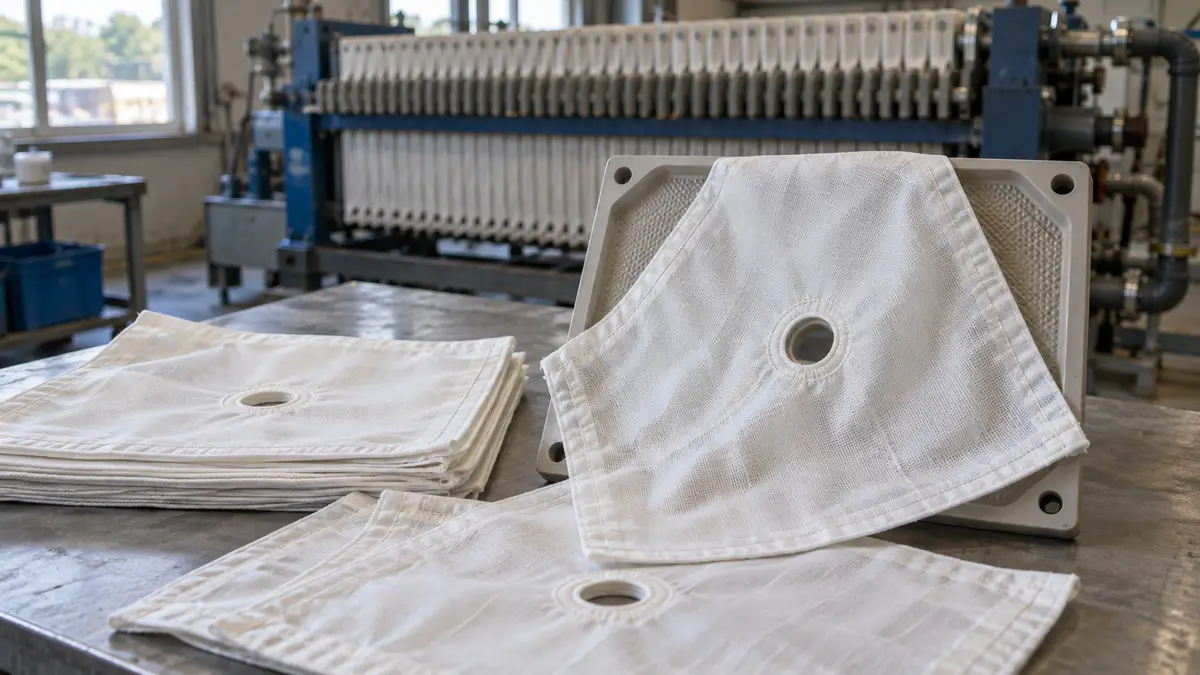
Filter press cloths entered as other filtering or straining cloth under 5911 40 00 90 carry a flat 6% UK duty from China. Confirm classification from the construction and supplied form; UK REACH restrictions can limit chemicals used in the material. Cambridge China Bridge sources filter press cloths.
Filter press cloth duty: 6%
Read from the UK Trade Tariff on 30 September 2026, heading 5911 covers textile products and articles for technical uses. Other filtering or straining cloth of a kind used in oil-presses or similar equipment falls under 5911 40 00 90. The table shows material variants within that line, rather than separate tariff categories.
That line carries 6% duty for goods from China. The supplied tariff record lists no anti-dumping or countervailing duty, suspension or attached import control for it. Suspensions elsewhere in the heading concern different listed products and do not provide relief for ordinary filter press cloth.
Confirm the commodity code using the fibre, construction, technical use and supplied form, especially for shaped or sewn cloths. For the other products covered by this heading, see our filter cloth and technical textiles guide.
| Goods | Commodity code | Duty | Anti-dumping or countervailing duty on China |
|---|---|---|---|
| Woven polypropylene filter press cloth | 5911 40 00 90 | 6% | None |
Specify the cloth around the press and slurry
Send the plate drawing and a sample of the existing cloth. State the fibre, yarn construction, weave, mass per square metre, finish and air permeability at an agreed pressure. Describe the slurry, operating temperature, cleaning chemicals and desired cake release so the factory can propose a grade for trials.
For made-up cloths, mark the feed opening, neck, drainage openings, edge treatment, fastening positions and seam details. Agree dimensional tolerances and test a sample on the actual plate before approving bulk manufacture.
UK REACH restrictions limit, ban or set conditions on substances. Ask the supplier for a statement covering finishes, coatings and membranes, as discussed in our UK REACH guide. For food-processing applications, ask for food-contact compliance evidence covering the fibre, finish and coating.
Worked duty example
Illustrative example, not a quote: Illustrative order: 8,000 m² of woven polypropylene filter cloth in rolls under 5911 40 00 90, invoiced at £14,000 free on board, with £1,200 of freight and insurance to the UK. The customs value is £15,200. Duty at 6% is £912. Import VAT at 20% is charged on the customs value plus duty, £16,112, so it is £3,222.40. Import taxes total £4,134.40; a VAT-registered importer can usually reclaim the VAT, so the lasting cost is the £912 of duty. The import duty and VAT guide explains each step.
Inspection checklist
Plate fit: compare cloth dimensions, feed opening, neck and fastenings with the approved drawing; fit a sample to the customer's plate.
Fabric consistency: check mass, weave and air permeability across the width and along the roll using the agreed method and pressure.
Seams and edges: check stitching, reinforcement and cut edges for skipped stitches, loose yarns and bulky areas that interfere with seating.
Batch identity: match roll and cloth labels to the approved grade and production lot; retain samples and compare strength and finish with the signed sample.
Working out your own order? Send us the product on WhatsApp and we reply the same working day: WhatsApp us
What goes wrong
A cloth can match the plate outline but have an incorrectly positioned feed opening or a neck that wrinkles. Uneven permeability can produce inconsistent filtration, while poor seams and loose edges can create leakage paths. A changed fibre or finish may behave differently during cleaning or cake discharge.
Inspect bulk material against the signed sample and trial made-up cloths with the buyer's slurry. Record filtration, cake release and cleaning behaviour before approving a repeat order. Use factory verification to check the supplier's cutting, sewing and fabric-testing capability.
Cambridge China Bridge sources these products for UK businesses, checking the factory and the documents before shipment. See factory verification. For own-brand ranges, see sourcing for brands.
Frequently asked questions
What is the UK import duty on filter press cloths from China?
Other filtering or straining cloth under 5911 40 00 90 carries 6% duty. The supplied tariff record lists no anti-dumping or countervailing duty or suspension for that line.
Which fibre should I specify for a filter press cloth?
Give the factory your slurry, operating temperature and cleaning chemicals. Compare proposed fibres through process trials, including filtration and cake release.
Can I order replacement cloths from a plate drawing?
Use the drawing together with an existing cloth sample. Mark the feed opening, neck, fastening positions and seam details, then approve a sample fitted to the actual plate.
What should I check when filter press cloths arrive?
Check plate fit, openings, seams, edge finish and batch identity. Compare fabric mass, permeability and strength with the approved specification and retained sample.