Sourcing expansion watch bracelets from China
Expansion watch bracelets from China carry UK duty ranging from 2% to 6% by material, with base-metal versions at 6% and precious-metal or precious-metal-clad versions at 2%. Confirm the applicable nickel release requirements for metal parts in prolonged skin contact with the relevant authority. Cambridge China Bridge sources expansion watch bracelets.
Buying from China for a business? How our UK China sourcing agent service works · China sourcing agent for small orders and first imports
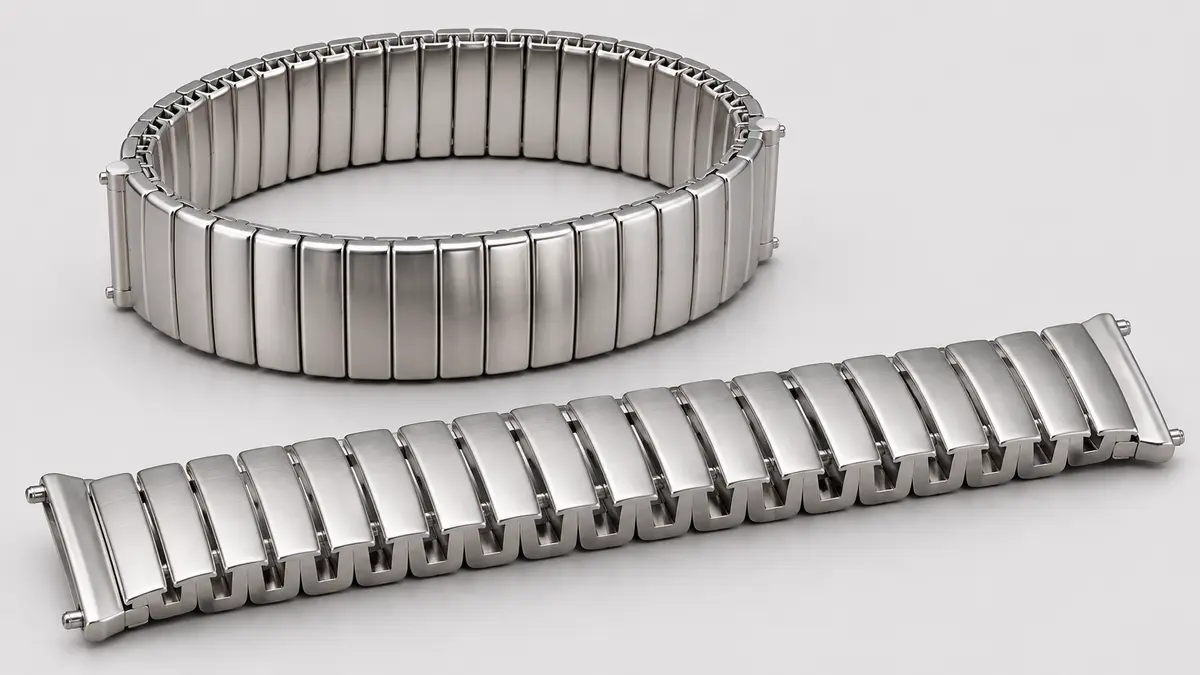
Duty by bracelet material
Read from the UK Trade Tariff on 4 October 2026, heading 9113 covers watch straps, bands, bracelets and their parts. Base-metal expansion bracelets, including gold- or silver-plated versions, carry 6% duty from China. Precious-metal and precious-metal-clad versions carry 2%. The supplied tariff snapshot shows no anti-dumping or countervailing duty and no suspensions for the selected lines.
The metal lines carry CITES import and export controls. If a design incorporates a CITES specimen, permits are required for movement into or out of Great Britain, with corresponding documents from the other country. The other-material parts line carries cat and dog fur controls; imports and exports of products made from that fur are banned. The snapshot also lists a cultural-goods export licence measure. Confirm its applicability with your customs broker before onward export.
Specify the actual construction: precious-metal cladding and decorative plating have different tariff treatments. Confirm the commodity code from the material specification and sample, especially for separately supplied parts. See the wider watch straps and bracelets guide for other constructions.
| Goods | Commodity code | Duty | Anti-dumping or countervailing duty on China |
|---|---|---|---|
| Base-metal expansion watch bracelets, including plated versions | 9113 20 00 00 | 6% | None |
| Precious-metal expansion watch bracelets | 9113 10 10 00 | 2% | None |
| Expansion watch bracelets of metal clad with precious metal | 9113 10 90 00 | 2% | None |
| Other-material watch bracelet parts, subject to classification | 9113 90 00 99 | 6% | None |
Specify extension, return and end-piece fit
Specify the shell and spring materials separately, relaxed length, intended wrist range, extension under an agreed load, and recovery after repeated stretching. Define link width, underside construction, removable links, finish and packaging. State whether end pieces are fixed or adjustable, straight or curved, and supply a drawing of the intended watch case and spring-bar seating.
Confirm the applicable nickel release requirements for metal parts in direct and prolonged skin contact with the relevant authority. Request reports matching the finished bracelet and its coating. For consumer sale in Great Britain, the importer must ensure the product is safe under normal or reasonably foreseeable use. Assess sharp underside edges, skin pinching, hair trapping and detached components alongside spring performance.
Worked duty example
Illustrative example, not a quote: 1,000 base-metal expansion watch bracelets, illustrative order under 9113 20 00 00, invoiced at £5,000 free on board, with £800 of freight and insurance to the UK. The customs value is £5,800. Duty at 6% is £348. Import VAT at 20% is charged on the customs value plus duty, £6,148, so it is £1,229.60. Import taxes total £1,577.60; a VAT-registered importer can usually reclaim the VAT, so the lasting cost is the £348 of duty. The import duty and VAT guide explains each step.
Inspection checklist
Fit: measure end-piece width and relaxed length against the drawing, fit the bracelet to the intended case, and check that spring bars seat securely without fouling the case.
Extension: compare opening force and recovery with the approved sample, repeat the agreed stretching test, and check for sticking links, exposed springs and permanent lengthening.
Finish: inspect underside folds, link edges and end pieces for burrs, snagging and plating defects; check colour and surface finish against the approved sample.
Documents and identification: match nickel release reports to the supplied construction. Where reasonable, the product or packaging must identify the producer by name and address and carry a product reference or batch identification. Plan sampling with the quality inspection guide.
Working out your own order? Send us the product on WhatsApp and we reply the same working day: WhatsApp us
What goes wrong
A bracelet can look correct while its springs feel too tight, recover unevenly or leave gaps after stretching. Adjustable end pieces can rattle or foul the case, while folded underside edges catch hair or pinch skin. Treat appearance, fit and spring behaviour as separate sample approval checks.
Material or coating substitutions can leave the supplied bracelet different from the tested sample. Record the approved shell, spring and coating construction, retain a reference sample, and check production against it before shipment. Ask for testing and certification support when the supplier's reports do not identify the actual product.
Cambridge China Bridge sources these products for UK businesses, checking the factory and the documents before shipment. See factory verification. For own-brand ranges, see sourcing for brands.
Frequently asked questions
What is the UK import duty on expansion watch bracelets from China?
Base-metal versions, including plated versions, carry 6%. Precious-metal and precious-metal-clad versions carry 2%. The supplied tariff snapshot shows no anti-dumping or countervailing duty.
Are gold-plated expansion bracelets taxed as precious metal?
Base-metal bracelets remain at 6% whether or not gold- or silver-plated. Metal clad with precious metal has a separate line at 2%. Confirm the construction before classification.
Do stainless steel expansion bracelets need nickel testing?
Ask for a report matching the finished bracelet, including its coating and underside components.
How do I check whether an expansion bracelet will fit?
Provide the case drawing and an actual case for sample fitting. Agree end-piece width, spring-bar seating, relaxed length and intended wrist range, then check extension force and recovery.