Sourcing dried squid from China
Dried squid from China carries 6% to 10% UK duty on the supplied relevant lines, depending on species and treatment. For Great Britain, check the approved plant, health certificate, advance notification and border route, plus validated catch documents for wild-caught squid. Cambridge China Bridge sources dried squid.
Buying from China for a business? How our UK China sourcing agent service works · China sourcing agent for small orders and first imports
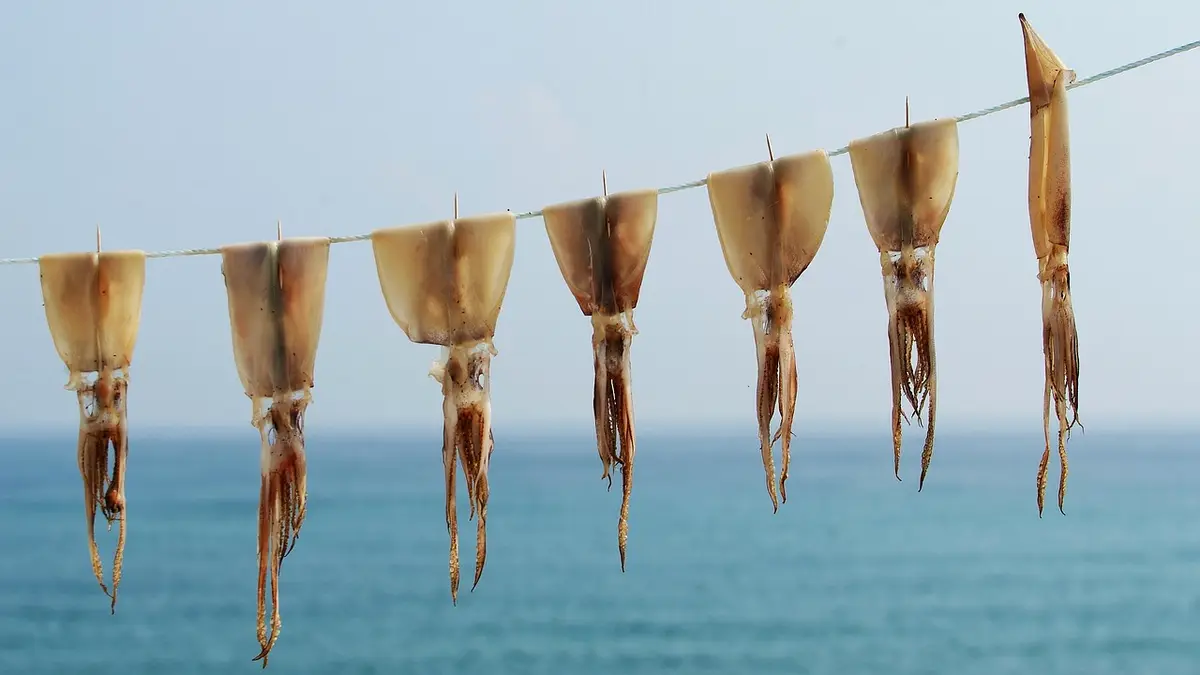
Dried squid duty and border controls
Read from the UK Trade Tariff on 30 September 2026, heading 0307 covers molluscs including dried, salted and smoked squid. The supplied non-smoked dried-squid lines carry 6% for European flying squid and 10% for other species. The table also includes related smoked-squid lines at 6% and 8%; those descriptions should not be used for plain dried squid. No anti-dumping or countervailing duty, or suspension, is recorded for these selected lines.
The selected lines carry veterinary, illegal fishing and organic import controls. For Great Britain, notify the border control post in advance and ask your customs broker to confirm plant approval, health certification, the notification system and border checks. For wild-caught squid, confirm the applicable catch documentation; where another country's catch is processed in China, also confirm whether an endorsed processing statement is needed. The tariff also attaches organic controls: confirm the consignment requirements with your customs broker. The organic inspection certificate is issued by the exporter's control body.
Give your broker the scientific name, ingredients and full process description, including drying, salting, smoking and any further preparation. Confirm the commodity code before agreeing the order. The supplied facts do not provide a separate plain dried-squid line for every genus, so do not substitute a smoked or frozen code. See the wider squid and octopus guide for the wider product family.
| Goods | Commodity code | Duty | Anti-dumping or countervailing duty on China |
|---|---|---|---|
| Dried European flying squid, not smoked | 0307 49 60 90 | 6% | None |
| Other dried squid, other species | 0307 49 80 90 | 10% | None |
| Related smoked Loligo squid, not otherwise prepared | 0307 49 40 10 | 6% | None |
| Related smoked Ommastrephes, Nototodarus or Sepioteuthis squid | 0307 49 50 10 | 8% | None |
Specify the dried squid and its intended use
State the scientific species, whole or split form, skin-on or skinless finish, removal of viscera, size grade and acceptable broken pieces. Distinguish squid intended for soaking and cooking from a ready-to-eat snack. Ask for the complete ingredient and processing record, including salt, sweeteners, preservatives and any smoking.
Agree moisture, water activity, salt, texture and colour against an approved sample, with laboratory methods written into the specification. Define pack weight, seal construction, moisture protection and storage conditions. Ask for shelf-life evidence for the actual product and pack. Check the processor's approval before sampling through factory verification.
Worked duty example
Illustrative example, not a quote: Illustrative order: 2 tonnes of plain dried squid for a food wholesaler under 0307 49 80 90, invoiced at £16,000 free on board, with £1,500 of freight and insurance to the UK. The customs value is £17,500. Duty at 10% is £1,750. Import VAT at 20% is charged on the customs value plus duty, £19,250, so it is £3,850. Import taxes total £5,600; a VAT-registered importer can usually reclaim the VAT, so the lasting cost is the £1,750 of duty. The import duty and VAT guide explains each step. This assumes the goods are standard-rated for VAT. Most food for human consumption is zero-rated, and animal feed can be too, in which case no import VAT is due, so check the rate for your product in HMRC's VAT Notice 701/14.
Inspection checklist
Identity and documents: match the species, plant approval, batch marks and carton description to the invoice, health certificate and applicable catch and processing documents.
Dryness and condition: inspect samples across cartons for damp patches, mould, insects, foreign matter and unusual odour; compare moisture, water activity and salt results with the agreed specification.
Cleaning and testing: check removal of viscera and hard parts, broken-piece content and texture after the agreed preparation; arrange batch testing for cadmium and microbiology.
Packs and labels: weigh the contents, inspect seals and check for moisture ingress; check English labelling, allergens, storage instructions and the UK address. Use the quality inspection guide to brief the inspection.
Working out your own order? Send us the product on WhatsApp and we reply the same working day: WhatsApp us
What goes wrong
A sample can be evenly dried while production cartons contain damp centres or inconsistent salt. Moisture entering through weak seals can leave packs mouldy or sticky. Mixed species, excessive fragments and incomplete cleaning change the usable yield. Compare production samples with the approved sample and hold suspect batches for assessment.
Documents can describe a different species, plant or treatment from the goods. A processor in China may also need documents tracing catch from another flag state. Match the paperwork to the actual batch before dispatch, and have the broker confirm the code and border arrangements before loading.
Cambridge China Bridge sources these products for UK businesses, checking the factory and the documents before shipment. See factory verification. For repeat volumes, see container programmes.
Frequently asked questions
What is the UK import duty on dried squid from China?
Related smoked-squid lines carry 6% or 8%. Species and treatment determine the code.
Does dried squid need a health certificate?
For imports from China into Great Britain, notify the border control post in advance and ask your customs broker to confirm the approved-plant, health-certificate, IPAFFS and border-entry arrangements for the actual product. Do not assume that drying removes applicable border requirements.
Does squid dried in China need catch documents?
For wild-caught squid, ask your customs broker or the relevant fisheries authority to confirm whether a validated catch certificate from the flag state's authority is required. If caught under another country's flag and processed in China, also confirm whether an endorsed Chinese processing statement is needed.
What should I test before importing dried squid?
Agree batch checks for moisture, water activity, salt, cadmium and microbiology. Inspect for mould, insects, foreign matter, incomplete cleaning and weak pack seals. Compare texture after the intended preparation.