Sourcing dried silkworm pupae from China
The supplied heading carries 0% UK duty throughout, including the candidate line for dried silkworm pupae. Dried insects cannot be used as farm animal feed or hen treats in Great Britain. Confirm the China-origin import route for the intended animal before ordering. Cambridge China Bridge sources dried silkworm pupae for animal feed.
Buying from China for a business? How our UK China sourcing agent service works · China sourcing agent for small orders and first imports
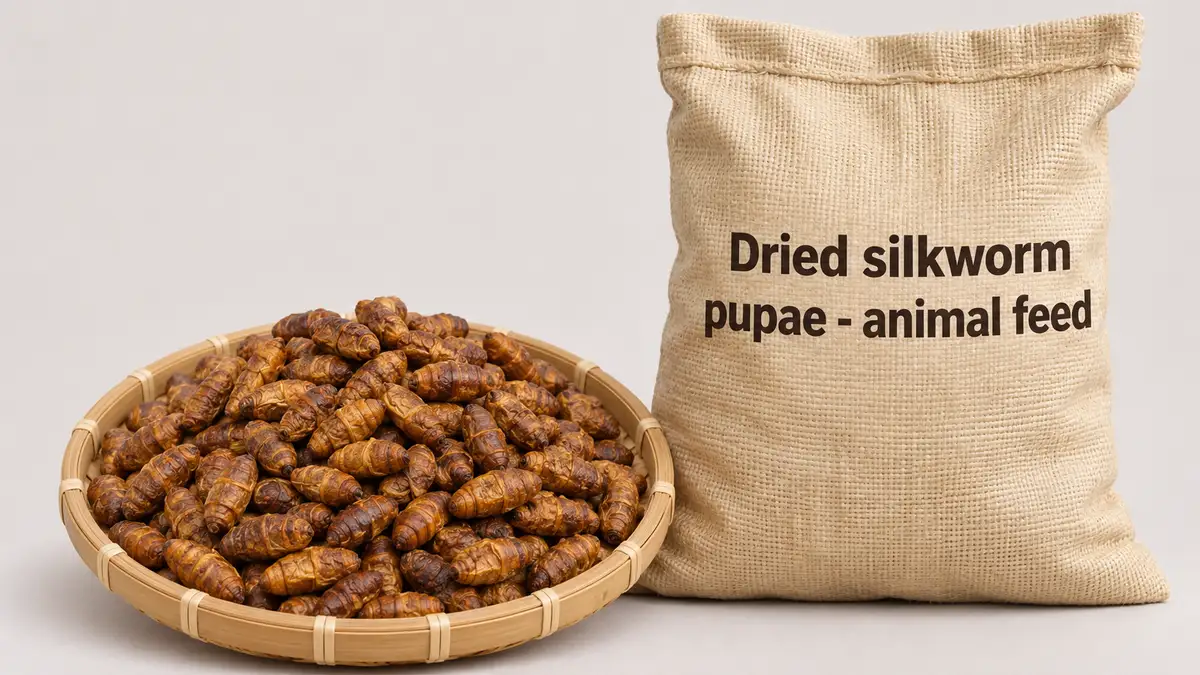
Zero duty, with the intended use checked first
Read from the UK Trade Tariff on 6 October 2026, heading 0511 covers animal products not elsewhere specified or included, and dead animals unfit for human consumption. The candidate line for whole dried silkworm pupae is 0511 99 85 90. It carries 0% duty for goods from China, with no anti-dumping or countervailing measure and no suspension recorded.
That line attaches veterinary, CITES, organic-product and waste import controls, plus CITES and waste export controls. For veterinary clearance, ask your customs broker and APHA to confirm the documents for the actual species, drying treatment and intended use. Confirm whether the other attached controls apply to the consignment, including any organic claim or waste classification.
The table shows purchasing forms under the same candidate code. Confirm the commodity code against the actual processing and presentation before declaring it. For the wider insect-feed family, see dried mealworms for animal feed. Zero duty does not establish permission to import or feed the product.
| Goods | Commodity code | Duty | Anti-dumping or countervailing duty on China |
|---|---|---|---|
| Whole dried silkworm pupae, bulk packed | 0511 99 85 90 | 0% | None |
Specify the pupae and the animal they will feed
Specify the silkworm species, whether the pupae are whole or broken, and whether oil has been extracted. Describe the drying process and agree moisture, protein, fat, broken pieces, loose dust, foreign matter and odour against a retained sample. Ask for batch-linked drying records and laboratory results, including checks for salmonella.
APHA guidance provides a conditional import route for certain materials used outside farmed land animal feeding. For a proposed wild-bird or pet-fish use, ask APHA to confirm the China-origin route before ordering. The applicable guidance requires an exporter- or manufacturer-signed commercial document and packages marked as not for human consumption.
Separately, official guidance says silkworm cannot be used to produce processed animal protein under current UK law. Keep whole dried pupae separate from that protein-processing route. In England and Wales, confirm feed-business registration or approval with your local authority.
Worked duty example
Illustrative example, not a quote: Illustrative order: 2 tonnes of whole dried silkworm pupae, subject to import-route confirmation under 0511 99 85 90, invoiced at £1,500 free on board, with £900 of freight and insurance to the UK. The customs value is £2,400. Duty at 0% is £0. Import VAT at 20% is charged on the customs value plus duty, £2,400, so it is £480. With no duty, the only import tax is the VAT, which a VAT-registered importer can usually reclaim. The import duty and VAT guide explains each step.
Inspection checklist
Identity: match the species, whole-pupae description, processor and batch references to the sample, invoice and treatment records.
Condition: open representative packs and check damp, mould, rancid odour, clumping, live pests, cocoon fragments and foreign matter.
Composition: compare batch test results for moisture, protein and fat with the contract; inspect broken pieces and dust for differences from the approved sample.
Packaging: check seals, punctures, batch marks, intended animal and the required non-human-consumption marking. Reconcile the shipment with its signed commercial document using the inspection guide.
Working out your own order? Send us the product on WhatsApp and we reply the same working day: WhatsApp us
What goes wrong
A supplier's description of 'animal feed' leaves the intended animal unresolved. Packaging showing hens conflicts with the restriction on dried insects as farm animal feed. Settle the intended use and import route before printing packaging or paying for production.
An acceptable surface appearance can conceal damp material inside packs. Residual fat can develop an unpleasant odour, while rough handling produces broken pupae and dust. Compare samples from across the shipment with the agreed specification and retain batch samples for investigating complaints.
Cambridge China Bridge sources these products for UK businesses, checking the factory and the documents before shipment. See factory verification. For repeat volumes, see container programmes.
Frequently asked questions
What is the UK import duty on dried silkworm pupae from China?
The candidate code 0511 99 85 90 carries 0% duty in the supplied tariff reading, with no anti-dumping or countervailing measure and no suspension recorded. Confirm classification and the import route before shipping.
Can I sell dried silkworm pupae as hen treats?
No. Official Great Britain guidance says dried terrestrial insects cannot be used in farm animal feed or treats, including hen treats.
Can I import dried silkworm pupae for wild birds or pet fish?
Official guidance provides a conditional route for these uses. Ask APHA to confirm the China-origin consignment's eligibility, treatment, documents and destination before ordering.
What should I check when dried silkworm pupae arrive?
Check species and batch identity, moisture, mould, rancid odour, broken pieces, dust, foreign matter and packaging seals. Match the lot to its drying records, laboratory results and signed commercial document.