Sourcing dried peaches from China
Dried peaches from China pay 4% UK duty; peach-containing mixtures can carry 6% to 8%, depending on their ingredients. Confirm applicable pesticide residue limits and sulphur dioxide allergen-labelling requirements with the relevant food authority, and organic inspection-certificate requirements with your customs broker. Cambridge China Bridge sources dried peaches.
Buying from China for a business? How our UK China sourcing agent service works · China sourcing agent for small orders and first imports
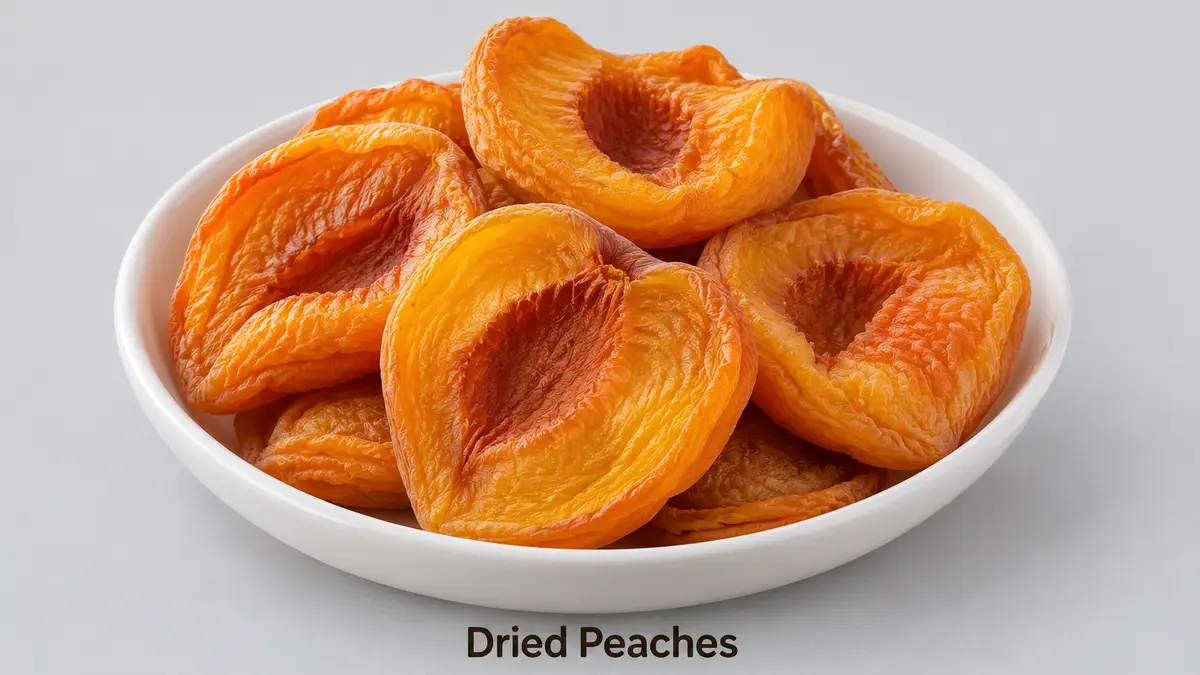
Dried peaches: 4% duty
Read from the UK Trade Tariff on 30 September 2026, dried peaches, including nectarines, fall under 0813 40 10 00 within heading 0813. Goods from China carry 4% duty. The supplied tariff record lists no anti-dumping or countervailing duty and no tariff suspension for this commodity line.
The additional table rows cover mixtures that may contain peaches, rather than peaches alone. The selected mixture lines carry 6% or 8% duty according to their composition. Although the record lists a suspension for 0813 50 15 00, its footnote excludes mixtures, preparations and products containing different components. Do not assume that a peach mixture qualifies for the suspended rate.
The tariff attaches an organic import control. Confirm inspection-certificate requirements for each consignment of organic dried peaches from China with your customs broker; the exporter’s control body issues the certificate. Confirm the paperwork with your customs broker before shipment. Confirm the commodity code using the full ingredient list and processing details. For wider heading coverage, see the dried apricots guide.
| Goods | Commodity code | Duty | Anti-dumping or countervailing duty on China |
|---|---|---|---|
| Dried peaches, including nectarines | 0813 40 10 00 | 4% | None |
| Other dried-fruit mixtures without prunes, including peach mixtures | 0813 50 15 00 | 6% | None |
| Dried-fruit mixtures containing prunes, including peach mixtures | 0813 50 19 00 | 8% | None |
| Other fruit-and-nut mixtures without prunes or figs, including peach mixtures | 0813 50 91 80 | 8% | None |
Specify the peach cut, moisture and sulphites
Specify peach or nectarine, peeled or unpeeled, halves or slices, and whether the fruit is pitted. Agree colour, texture, piece size, acceptable broken pieces and a moisture specification against an approved sample. State whether sugar, oil or preservatives are added, and request the complete recipe before agreeing the product description.
Imported dried fruit must meet the same hygiene standards and safety procedures as food produced in Great Britain. Confirm applicable pesticide residue limits for dried peaches with the relevant food authority. Ask for batch-linked pesticide and sulphur dioxide results, rather than a report for an unrelated sample. Confirm sulphur dioxide allergen-declaration requirements with the relevant food authority. Agree sealed inner packs and storage instructions with the factory.
Worked duty example
Illustrative example, not a quote: Illustrative order: 5 tonnes of dried peach halves under 0813 40 10 00, invoiced at £20,000 free on board, with £1,800 of freight and insurance to the UK. The customs value is £21,800. Duty at 4% is £872. Import VAT at 20% is charged on the customs value plus duty, £22,672, so it is £4,534.40. Import taxes total £5,406.40; a VAT-registered importer can usually reclaim the VAT, so the lasting cost is the £872 of duty. The import duty and VAT guide explains each step. This assumes the goods are standard-rated for VAT. Most food for human consumption is zero-rated, and animal feed can be too, in which case no import VAT is due, so check the rate for your product in HMRC's VAT Notice 701/14.
Inspection checklist
Fruit: compare colour, cut, chewiness and broken pieces with the approved sample; inspect for pit fragments, skin defects, insects and foreign matter.
Moisture: measure against the agreed specification and inspect arriving cartons for damp liners, clumping, mould or a fermented smell.
Tests: match pesticide and sulphur dioxide reports to the supplied batch and compare the sulphite result with the label declaration.
Packs and records: check seals, net weight against the order, batch identification and storage instructions; for organic orders, match the consignment to its inspection certificate.
Working out your own order? Send us the product on WhatsApp and we reply the same working day: WhatsApp us
What goes wrong
A bright sample can conceal a sulphite treatment that is missing from the final label. Moisture above the agreed specification can lead to sticky pieces, fermentation or mould during transport. Pit fragments, excessive broken slices and inconsistent colour can make a shipment unsuitable for the buyer’s intended use.
Keep approval samples and batch records, and compare the arriving stock before releasing it for packing or distribution. Separate suspect cartons while the supplier and laboratory investigate. A visual check cannot establish pesticide residue compliance. Agree the sampling and laboratory work alongside the inspection plan.
Cambridge China Bridge sources these products for UK businesses, checking the factory and the documents before shipment. See factory verification. For repeat volumes, see container programmes.
Frequently asked questions
What is the UK import duty on dried peaches from China?
Dried peaches, including nectarines, under 0813 40 10 00 carry 4% duty. The supplied tariff record lists no anti-dumping or countervailing duty and no suspension for this line.
Do dried peaches need sulphite labelling?
Ask for a batch-linked test and compare the result with the finished label.
What paperwork do organic dried peaches from China need?
Confirm inspection-certificate requirements for each organic consignment with your customs broker. The certificate is issued by the exporter’s control body. Confirm the consignment paperwork with your customs broker before shipment.
Is import VAT due on plain dried peaches?
Plain dried peaches sold as food are zero-rated for VAT. Check the treatment separately if the product is sold as confectionery. See UK duty and VAT.