Sourcing Dried Lily Bulbs from China
Plain dried lily bulbs from China carry 12% UK duty, with no applicable suspension. Confirm applicable GB pesticide residue limits and sulphite allergen-labelling requirements with the relevant food authority. Organic imports need an endorsed inspection certificate. Cambridge China Bridge sources dried lily bulbs.
Buying from China for a business? How our UK China sourcing agent service works · China sourcing agent for small orders and first imports
12% duty on plain dried lily bulbs
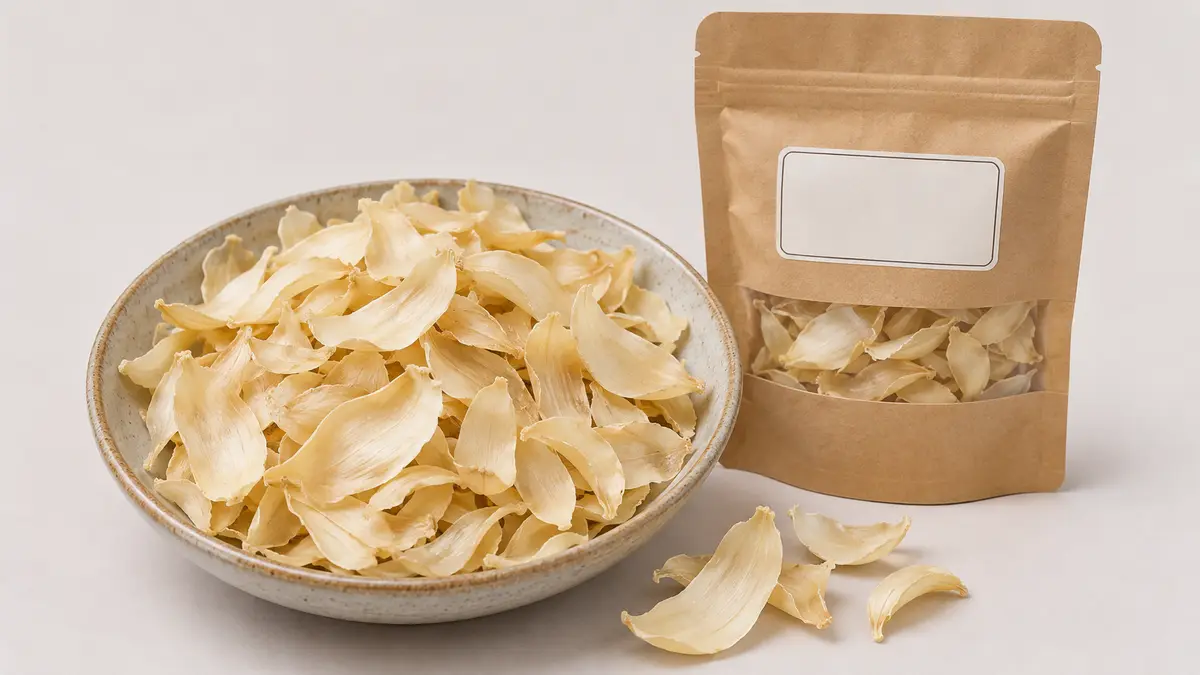
Read from the UK Trade Tariff on 30 September 2026, heading 0712 covers dried vegetables, whole, cut, sliced, broken or powdered, but not further prepared. For plain dried lily bulbs sold as food, confirm 0712 90 90 90 with your customs broker. The table shows different product forms under the same commodity line. This guide covers dried food ingredients.
The recorded duty for goods from China is 12%, with no anti-dumping or countervailing measure listed. The suspension on this line covers dried asparagus, broccoli, leeks, pumpkins and cabbages; it does not cover lily bulbs. The tariff attaches an organic-product import control. Organic consignments from China need a Great Britain certificate of inspection endorsed before release into free circulation; check the recognised countries and control bodies in the organic registers.
Send the broker the botanical identity, ingredient list, drying process and intended use before confirming the commodity code. Seasoned, oiled or fried vegetables leave this heading. See dried vegetables from China for the wider heading.
| Goods | Commodity code | Duty | Anti-dumping or countervailing duty on China |
|---|---|---|---|
| Plain dried lily bulb scales | 0712 90 90 90 | 12% | None |
Specify lily bulb identity, drying and cooking quality
Ask the supplier to identify the botanical species and supply a reference sample of the edible bulb scales. Specify intact scales, slices, broken pieces or pure powder, with agreed limits for moisture, discolouration, fines and foreign matter. Record whether sulphur dioxide or another treatment is used, and approve the ingredient declaration before ordering.
Trial the sample using your intended soaking and cooking method. Compare texture, flavour, colour and the amount of grit left behind. Agree sealed inner packaging, storage instructions and batch identification.
Worked duty example
Illustrative example, not a quote: Illustrative order: 5 tonnes of plain dried lily bulb scales under 0712 90 90 90, invoiced at £40,000 free on board, with £2,500 of freight and insurance to the UK. The customs value is £42,500. Duty at 12% is £5,100. Import VAT at 20% is charged on the customs value plus duty, £47,600, so it is £9,520. Import taxes total £14,620; a VAT-registered importer can usually reclaim the VAT, so the lasting cost is the £5,100 of duty. The import duty and VAT guide explains each step. This assumes the goods are standard-rated for VAT. Most food for human consumption is zero-rated, and animal feed can be too, in which case no import VAT is due, so check the rate for your product in HMRC's VAT Notice 701/14.
Inspection checklist
Identity and grade: compare bulb scales with the approved sample; check colour, size, dark spots, broken pieces and powder content against the purchase specification.
Moisture and packing: measure moisture against the agreed limit; inspect inner seals, damp cartons, clumping, mould, insects and musty odours on arrival.
Batch evidence: match the shipped lot to laboratory reports for pesticide residues, sulphites and agreed microbiological tests. For organic goods, check the endorsed inspection certificate and the recognised certification route.
Weight and cooking: check net contents and repeat the soaking and cooking trial on arrival samples. Record grit, texture and flavour differences using the inspection guide.
Working out your own order? Send us the product on WhatsApp and we reply the same working day: WhatsApp us
What goes wrong
A pale sample can hide differences in treatment between batches. Ask for sulphite results rather than judging treatment by colour. Excess moisture and damaged inner bags can lead to mould or clumping; rough handling can turn intact scales into fragments. Agree how these defects will be measured before shipment.
A report for a different lot does not establish the condition of your shipment. Keep retained samples and photographs linked to batch codes, and separate suspect stock while you investigate. For powder, ask the laboratory to assess identity and possible starch adulteration. Do not assume the vegetable suspension applies simply because the commodity code matches.
Cambridge China Bridge sources these products for UK businesses, checking the factory and the documents before shipment. See factory verification. For repeat volumes, see container programmes.
Frequently asked questions
What is the UK import duty on dried lily bulbs from China?
The recorded rate is 12% under 0712 90 90 90. The suspension on that line names other vegetables, not lily bulbs. No anti-dumping or countervailing measure is listed.
Can I import organic dried lily bulbs from China?
Check the recognised organic countries and control bodies before ordering. Organic consignments need a Great Britain inspection certificate endorsed before release into free circulation.
Do sulphites in dried lily bulbs need labelling?
Confirm applicable sulphite allergen-labelling requirements with the relevant food authority. Ask for a batch-specific laboratory result and approve the label before packing.
What should I check when dried lily bulbs arrive?
Check moisture, mould, insects, grit, broken scales, bag seals and net contents. Match batch codes to test reports and compare soaked and cooked samples with the approved sample.