Sourcing dried chickpeas from China
Dried chickpeas from China pay 0% UK duty, whether whole, skinned or split. Imported food must be safe and legal before entering Great Britain; organic consignments also need a certificate of inspection. Agree moisture, grading and cooking performance before shipment. Cambridge China Bridge sources dried chickpeas.
Buying from China for a business? How our UK China sourcing agent service works · China sourcing agent for small orders and first imports
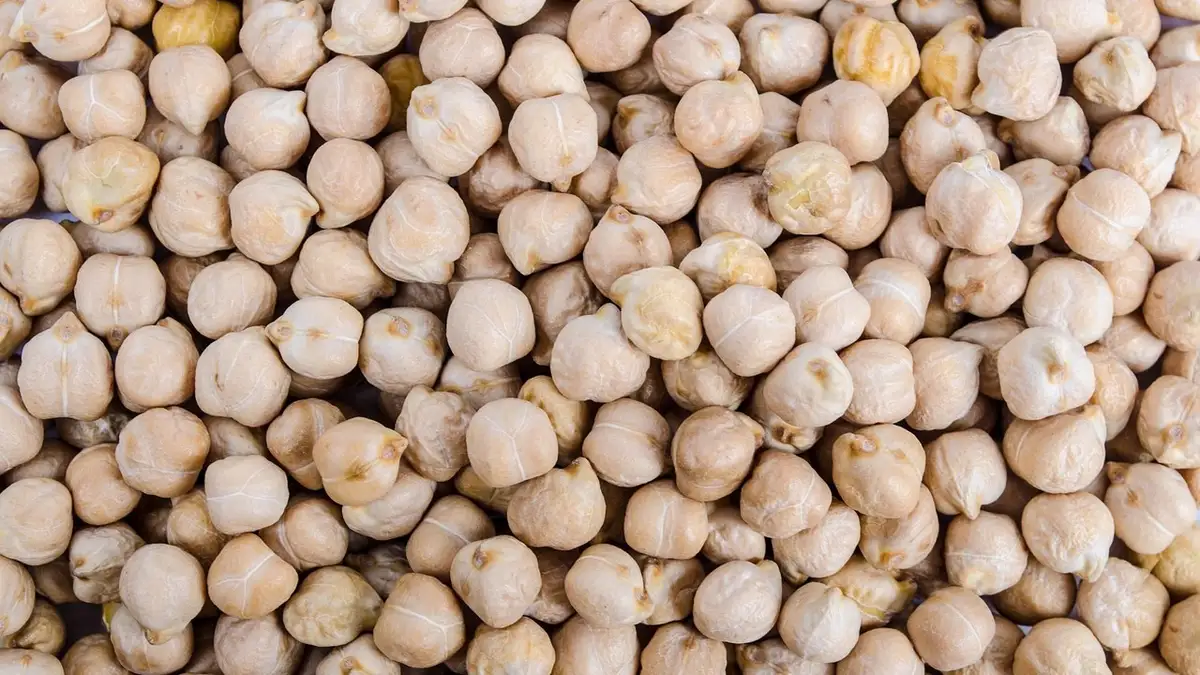
Dried chickpea duty and organic controls
Read from the UK Trade Tariff on 30 September 2026, dried chickpeas under 0713 20 00 00 carried 0% duty for goods from China, with no anti-dumping duty or suspension listed. Heading 0713 covers dried shelled leguminous vegetables, whether or not skinned or split. The table shows buying forms sharing the chickpea code.
The tariff attaches an organic-products import control. Organic chickpeas from China entering Great Britain need a certificate of inspection for each consignment, issued by the exporter's control body. Check that the exporter's control body and export country are on the non-UK organic registers. Your company must be based and certified in the UK to import organic products.
Confirm the VAT treatment of dried chickpeas sold as food with HMRC or your customs broker. Confirm the form and intended use through finding your commodity code, especially if the goods are cooked or intended for sprouting. See dried beans and pulses for the wider heading.
| Goods | Commodity code | Duty | Anti-dumping or countervailing duty on China |
|---|---|---|---|
| Whole dried chickpeas, with skins | 0713 20 00 00 | 0% | None |
Specify chickpea grade and cooking performance
State whether you need whole, skinned or split chickpeas, the variety, colour, size grade and intended use. Agree moisture, broken and damaged grains, foreign matter and insect acceptance criteria in the purchase specification. Keep an approved sample for comparison.
For hummus or cooked dishes, compare samples using the same soaking and cooking method. Record texture, uneven softening and skin separation. Specify bag material, closure, net weight and batch identification. Agree residue and contaminant testing for the actual shipment.
Imported food must be safe and legal before entering Great Britain. Confirm food-business registration requirements with the relevant food authority and settle the retail label before printing, including the food name, net weight, storage instructions and UK address. Tell the supplier if the chickpeas are intended for sprouting, and confirm any applicable official certificate and traceability requirements with the relevant authority.
Worked duty example
Illustrative example, not a quote: Illustrative order: 20 tonnes of whole dried chickpeas for cooking under 0713 20 00 00, invoiced at £24,000 free on board, with £2,500 of freight and insurance to the UK. The customs value is £26,500. Duty at 0% is £0. Import VAT at 20% is charged on the customs value plus duty, £26,500, so it is £5,300. With no duty, the only import tax is the VAT, which a VAT-registered importer can usually reclaim. The import duty and VAT guide explains each step. This assumes the goods are standard-rated for VAT. Most food for human consumption is zero-rated, and animal feed can be too, in which case no import VAT is due, so check the rate for your product in HMRC's VAT Notice 701/14.
Inspection checklist
Grade: compare samples from different bags with the approved sample; check size consistency, colour, splits, shrivelled grains and damaged chickpeas.
Moisture and pests: measure moisture against the contract limit; inspect for mould, musty odours, live insects and exit holes.
Cleaning and cooking: check for stones, soil, stalks and other seeds; repeat the agreed soaking and cooking trial.
Packing and records: check clean food-grade bags, secure seams and net weight; match bag batch codes to shipment records and laboratory reports.
Working out your own order? Send us the product on WhatsApp and we reply the same working day: WhatsApp us
What goes wrong
An attractive sample can hide a mixed bulk grade. Uneven chickpea sizes give uneven cooking results, while excess splits change the texture of cooked dishes. Inspect the packed shipment through quality inspection, rather than relying solely on the supplier's sample.
Excess moisture and wet bags can lead to mould during transport. Insect eggs inside grains can hatch on the voyage, and poor cleaning leaves stones in the lot. Photograph affected bags, retain representative samples and compare findings with the written specification before agreeing a remedy.
Cambridge China Bridge sources these products for UK businesses, checking the factory and the documents before shipment. See factory verification. For repeat volumes, see container programmes.
Frequently asked questions
What is the UK import duty on dried chickpeas from China?
The supplied tariff reading gives 0% under 0713 20 00 00, with no anti-dumping duty or suspension listed.
Do organic chickpeas from China need import paperwork?
Yes. Each organic consignment entering Great Britain needs a certificate of inspection. Check the exporter's control body and country against the organic registers, and arrange UK certification.
How do I check chickpea quality before shipment?
Sample different bags for moisture, size, splits, damage, foreign matter and insects. Compare with the approved sample and repeat an agreed soaking and cooking trial.
Can I use cooking chickpeas for commercial sprouting?
Specify sprouting use before ordering. Confirm with the relevant food authority whether seeds intended for producing sprouts need an official certificate or additional lot traceability; ordinary cooking specifications may not address the requirements for sprouting use.