Sourcing Dried Black-Eyed Beans from China
Dried black-eyed beans from China carry 0% UK duty, with no duty variation between the forms shown. Imported beans must meet the same food hygiene standards as domestic food; organic consignments into Great Britain need a certificate of inspection. Cambridge China Bridge sources dried black-eyed beans.
Buying from China for a business? How our UK China sourcing agent service works · China sourcing agent for small orders and first imports
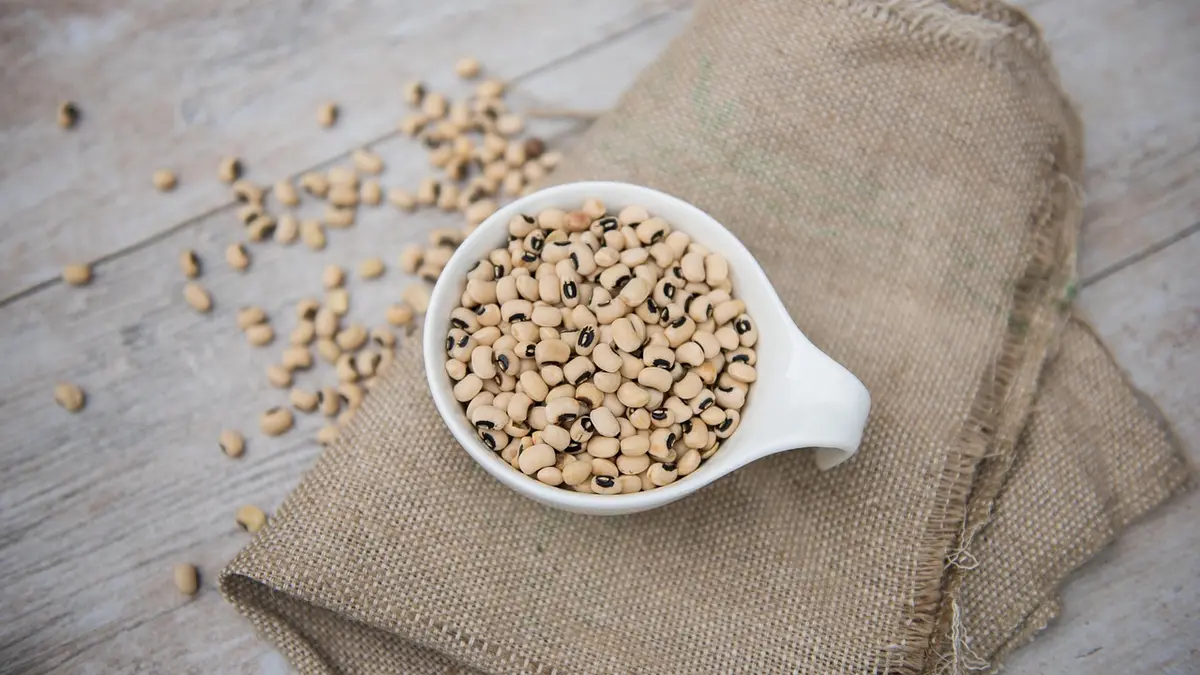
Zero duty on dried black-eyed beans
Read from the UK Trade Tariff on 30 September 2026, dried black-eyed beans fall within the cow-pea line 0713 35 00 00 under heading 0713, covering dried shelled leguminous vegetables, whether or not skinned or split. The table shows forms sharing this tariff line. Duty for goods from China is 0%, with no trade remedy or suspension listed. Dried pulses supplied as food are zero-rated for VAT.
The tariff attaches an organic import control. For organic beans from China entering Great Britain, obtain a certificate of inspection for each consignment and check the exporter’s control body and country against the non-UK organic registers. The importing business must be based and certified in the UK. Northern Ireland has separate organic import procedures.
Confirm the species, processing and intended use before choosing the commodity code. This guide concerns dried beans for cooking; identify orders for sowing or sprouting separately. For neighbouring products within the heading, see the dried kidney beans guide.
| Goods | Commodity code | Duty | Anti-dumping or countervailing duty on China |
|---|---|---|---|
| Dried black-eyed beans, whole | 0713 35 00 00 | 0% | None |
Specify the bean, grade and cooking performance
Specify black-eyed cow peas rather than accepting a generic description of white beans. For whole beans, agree the cream-coloured seed coat, dark eye, size distribution and permitted discolouration against an approved sample. State whether you want whole, skinned or split beans, and agree moisture, broken beans, foreign matter and insect damage in writing.
Agree the soaking and cooking method used to assess tenderness, skin splitting and consistency. Specify clean packaging suitable for food, bag closure, net weight and batch identification. Imported beans must meet the same food hygiene standards and procedures as food produced in Great Britain. Confirm food-business registration requirements with your local authority and keep traceability records.
Worked duty example
Illustrative example, not a quote: Illustrative order: 20 tonnes of dried black-eyed beans for cooking under 0713 35 00 00, invoiced at £24,000 free on board, with £2,500 of freight and insurance to the UK. The customs value is £26,500. Duty at 0% is £0. Import VAT at 20% is charged on the customs value plus duty, £26,500, so it is £5,300. With no duty, the only import tax is the VAT, which a VAT-registered importer can usually reclaim. The import duty and VAT guide explains each step. This assumes the goods are standard-rated for VAT. Most food for human consumption is zero-rated, and animal feed can be too, in which case no import VAT is due, so check the rate for your product in HMRC's VAT Notice 701/14.
Inspection checklist
Identity and grade: compare samples from different bags with the approved bean type, eye colour and size; separate broken, shrivelled and discoloured beans and other seeds.
Moisture and pests: measure moisture against the contract; inspect for mould, musty odours, live insects, insect holes, stones and soil.
Cooking performance: use the agreed preparation method and compare tenderness, skin splitting and uneven cooking with the approved sample.
Packaging and records: check clean, dry bags, secure closures and net weight; match batch identification to invoices and test reports. Keep traceability records available for inspection. Use the inspection guide to agree the inspection scope.
Working out your own order? Send us the product on WhatsApp and we reply the same working day: WhatsApp us
What goes wrong
An attractive sample can hide mixed grades in the shipment. Uneven bean sizes cook inconsistently, excessive moisture encourages mould, and insect eggs can hatch during transport. Record bag condition and sample across the delivery before accepting the lot.
A supplier’s organic claim does not replace the import certificate. Resolve certification and consignment documents before shipment. If you think delivered food has been handled unsafely or is poor quality, do not use it and contact the supplier straight away.
Cambridge China Bridge sources these products for UK businesses, checking the factory and the documents before shipment. See factory verification. For repeat volumes, see container programmes.
Frequently asked questions
What is the UK import duty on dried black-eyed beans from China?
The supplied tariff reading shows 0% duty under 0713 35 00 00, with no trade remedy or suspension listed. Confirm the VAT treatment of dried beans supplied as food with HMRC or your customs broker.
Do organic black-eyed beans from China need a certificate?
Yes. Each organic consignment entering Great Britain needs a certificate of inspection. Check the exporter’s control body and country against the non-UK organic registers.
What should I specify when buying dried black-eyed beans?
Agree whole, skinned or split form, bean size, moisture, broken and discoloured beans, foreign matter, insect damage, packaging and cooking performance against an approved sample.
How do I check black-eyed beans on arrival?
Sample across bags, measure moisture, check insects and foreign matter, inspect packaging and net weight, and run the agreed cooking test. Match batch identification to the shipment records.