Sourcing die-cut insulation paper from China
Die-cut electrical insulation paper classified under 4823 90 85 80 carries 0% UK duty from China. For virgin-fibre paper, confirm with the relevant authority or your customs broker whether timber due diligence applies before placement on the GB market. Agree the material grade and application tests before approving production. Cambridge China Bridge sources die-cut electrical insulation paper.
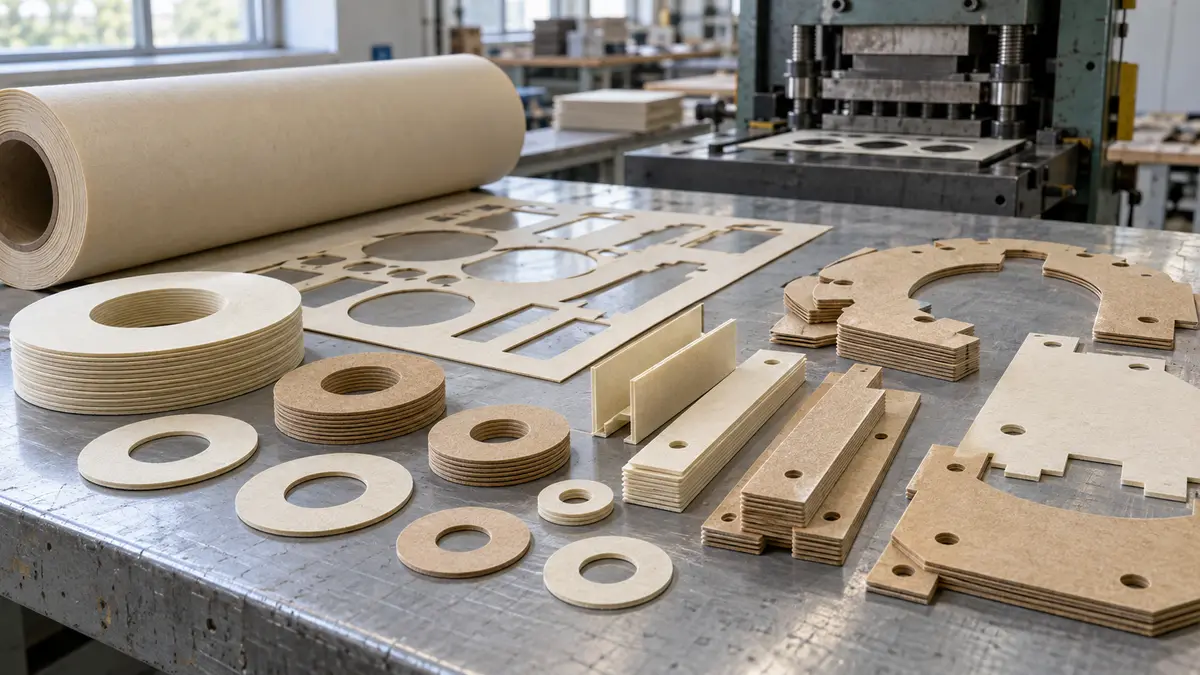
Duty and classification for cut insulation paper
Heading 4823 covers paper and paperboard cut to size or shape and other paper articles. For die-cut electrical insulation paper, 4823 90 85 80 is a candidate classification, rather than a code established by the product name alone. The table shows different applications within that same tariff line.
Read from the UK Trade Tariff on 30 September 2026, the supplied heading lines all carry 0% duty from China. The candidate line has no recorded anti-dumping or countervailing duty or suspension. It has import and export waste controls attached. For imports from China, confirm the applicable requirement with your customs broker; the England guidance says waste shipment controls apply only where the material is waste.
Confirm the commodity code using the fibre composition, coatings, laminations and finished shape. Import VAT is generally 20%. For paper made from virgin pulp, confirm with the relevant authority or your customs broker whether timber due diligence requirements apply when first placed on the GB market. For the wider heading, see paperboard edge protectors.
| Goods | Commodity code | Duty | Anti-dumping or countervailing duty on China |
|---|---|---|---|
| Die-cut paper slot liners, subject to material classification | 4823 90 85 80 | 0% | None |
Specify the insulation material and cutting drawing
Identify the paper mill and exact material grade, fibre composition, thickness, density and any coating or adhesive. State whether the part is a slot liner, interlayer sheet, washer or barrier. Do not accept a colour or trade name as the material specification.
Give the factory a controlled drawing covering the outline, holes, slots, creases and grain direction. Agree tolerances and conditioning for measurement. Specify dielectric strength, thermal performance, moisture condition and the test methods your equipment design needs. Approve samples in the actual assembly and request reports tied to the supplied material.
For virgin-fibre paper, obtain fibre-source information for timber due diligence. Use testing and certification support to define the evidence needed for your application.
Worked duty example
Illustrative example, not a quote: Illustrative order of die-cut paper slot liners under 4823 90 85 80, invoiced at £4,000 free on board, with £1,200 of freight and insurance to the UK. The customs value is £5,200. Duty at 0% is £0. Import VAT at 20% is charged on the customs value plus duty, £5,200, so it is £1,040. With no duty, the only import tax is the VAT, which a VAT-registered importer can usually reclaim. The import duty and VAT guide explains each step.
Inspection checklist
Material: match the grade, thickness and mill batch to the approved sample and supporting reports.
Cutting: check hole position, slot width, grain direction and assembly fit; reject torn edges, loose fibres and incomplete cuts.
Condition: inspect for dampness, curling, creases, contamination and adhesive transfer before fitting.
Traceability: match pack labels and quantities to the drawing revision and material batch; retain samples for comparison.
Working out your own order? Send us the product on WhatsApp and we reply the same working day: WhatsApp us
What goes wrong
Parts can match the outline while using a different paper grade. A generic material report may not cover the supplied coating or laminate. Thickness variation, misplaced holes and rough cuts cause poor fit or damage during assembly. Check both material identity and finished-part performance.
Moisture and compressed packing can leave liners curled or creased. Keep material batches separate when investigating failures, and agree packaging that protects the cut edges and maintains the specified condition.
Cambridge China Bridge sources these products for UK businesses, checking the factory and the documents before shipment. See factory verification. For repeat volumes, see container programmes.
Frequently asked questions
What is the UK import duty on die-cut insulation paper from China?
Under candidate code 4823 90 85 80, the supplied tariff facts show 0% duty from China, with no recorded anti-dumping or countervailing duty. Confirm classification for the exact material.
Does virgin-fibre insulation paper need timber due diligence?
For virgin-pulp paper, confirm with the relevant authority or your customs broker whether the product is within the scope of timber due diligence requirements and what obligations apply to the business first placing it on the GB market.
What should I send the Chinese die-cutting factory?
Send the exact material grade, controlled cutting drawing, thickness and dimensional tolerances, grain direction, moisture condition and application test requirements.
Does the waste control mean finished insulation paper is waste?
The tariff attaches a waste control, but England guidance says waste shipment controls apply only if the material is waste. Confirm the requirement for your shipment with your customs broker.