Sourcing dead-burned magnesia from China
Dead-burned magnesia from China carries 0% UK duty, with no anti-dumping or countervailing duty listed. Importers are responsible for chemical hazard classification and should check UK REACH registration before ordering. Buy refractory grades against agreed chemistry and grain density. Cambridge China Bridge sources dead-burned magnesia.
Buying from China for a business? How our UK China sourcing agent service works · China sourcing agent for small orders and first imports
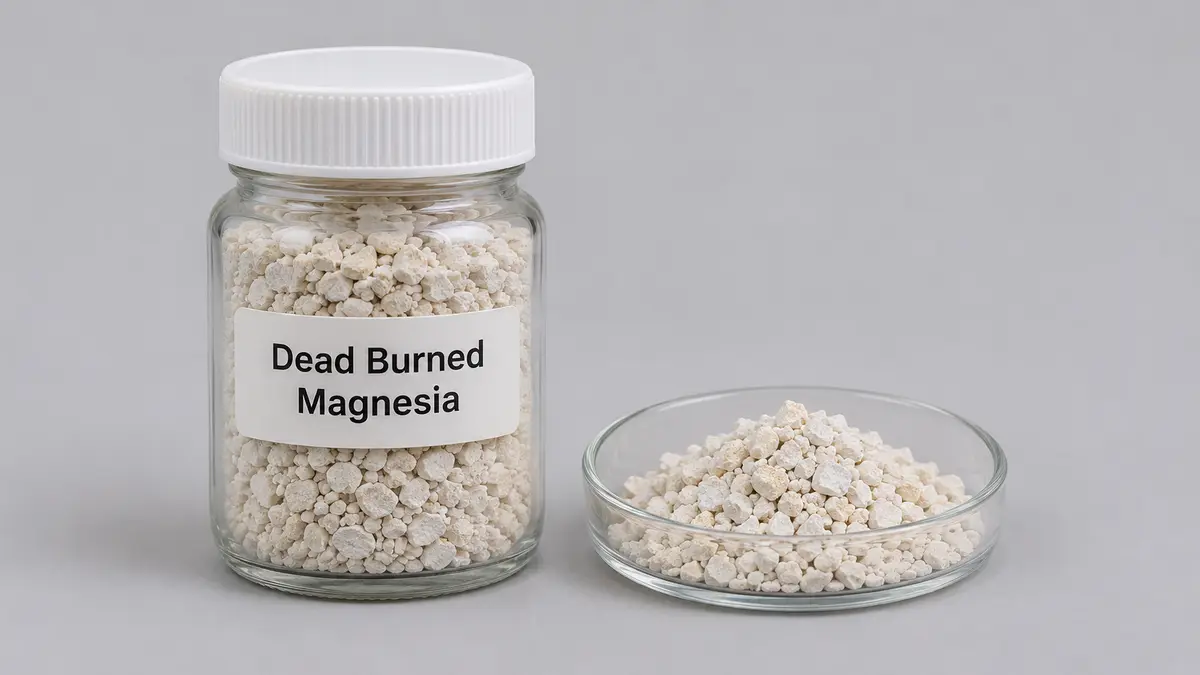
Duty on dead-burned magnesia
Read from the UK Trade Tariff on 8 November 2026, dead-burned (sintered) magnesia under 2519 90 30 00 carries 0% duty on goods from China. No anti-dumping duty, countervailing duty or suspension is listed. Heading 2519 also covers natural magnesite, fused magnesia and other magnesium oxide; see the wider magnesia and magnesite guide. Only the dead-burned line is shown here.
The tariff attaches an import waste control and also lists an export waste control. Waste shipment controls apply only where the material is waste. For reclaimed or spent material from China, confirm its waste status and the applicable import requirements with your customs broker before shipment; the tariff entry alone does not establish the route for that consignment.
Confirm the commodity code using the firing route, composition and physical form. This guide concerns refractory raw material. Finished magnesia bricks fall under heading 6902. Keep the supplier's description consistent with the invoice and batch analysis.
| Goods | Commodity code | Duty | Anti-dumping or countervailing duty on China |
|---|---|---|---|
| Dead-burned (sintered) magnesia | 2519 90 30 00 | 0% | None |
Specify refractory chemistry and grain density
State whether the material will be used for refractory bricks or gunning mixes. Agree magnesium oxide content, the lime-to-silica ratio, iron and boron limits, grain bulk density, particle-size distribution and loss on ignition. Put the test methods and acceptance criteria in the purchase specification, rather than relying on a grade name.
Ask for analysis linked to the production lot and retain an approved sample for comparison. Dead-burned magnesia is fired hard for refractory use and has low reactivity; caustic calcined magnesia is a different buying specification.
Before ordering, check whether the substance requires UK REACH registration. The importer is responsible for chemical hazard classification. Ask the producer for composition and safety information that supports your assessment, alongside the refractory test results.
Worked duty example
Illustrative example, not a quote: Illustrative order: 25 tonnes of dead-burned magnesia grain in bulk bags under 2519 90 30 00, invoiced at £12,000 free on board, with £2,500 of freight and insurance to the UK. The customs value is £14,500. Duty at 0% is £0. Import VAT at 20% is charged on the customs value plus duty, £14,500, so it is £2,900. With no duty, the only import tax is the VAT, which a VAT-registered importer can usually reclaim. The import duty and VAT guide explains each step.
Inspection checklist
Chemistry: compare each lot's magnesium oxide, lime, silica, iron and boron results with the agreed specification; arrange independent analysis where needed.
Density and sizing: measure grain bulk density and sieve the material against the agreed particle-size distribution.
Moisture: check loss on ignition, caking and signs of damp storage; examine bag liners and seals before loading and on arrival.
Batch identity: match bag markings, analysis reports and delivery documents to the same production lot. Use an agreed quality inspection brief.
Working out your own order? Send us the product on WhatsApp and we reply the same working day: WhatsApp us
What goes wrong
Chemistry can miss the agreed grade even when the bag description looks correct. Low magnesium oxide or excess silica and lime can reduce refractoriness; excess boron can weaken hot strength. Low grain density can leave refractory bricks too porous. Accept batches against measured properties.
Damp packing and storage can cause hydration, swelling and caking. Specify lined, sealed bags and dry storage, photograph damaged packaging on arrival, and keep suspect lots separate while their condition is checked.
Cambridge China Bridge sources these products for UK businesses, checking the factory and the documents before shipment. See factory verification. For repeat volumes, see container programmes.
Frequently asked questions
What is the UK import duty on dead-burned magnesia from China?
The supplied tariff data, read on 8 November 2026, lists 0% duty for 2519 90 30 00, with no anti-dumping or countervailing duty.
Is dead-burned magnesia the same as caustic calcined magnesia?
No. Dead-burned magnesia is fired hard for refractories and has low reactivity. Caustic calcined material remains reactive and is bought for different uses.
What should I specify for refractory-grade magnesia?
Agree magnesium oxide content, lime-to-silica ratio, iron and boron limits, grain bulk density, particle-size distribution and loss on ignition, with matching test methods.
Does the tariff waste control apply to new magnesia?
Waste shipment controls apply only if the material is waste. For reclaimed or spent magnesia from China, ask your customs broker to confirm its status and the applicable import requirements.