Sourcing cricket bats from China
Cricket bats under 9506 99 10 00 carry 0% UK duty from China; all bat variants shown share that rate. Consumer bats supplied in Great Britain must be safe. Specify the timber, handle, dimensions and playing use, then check finished samples. Cambridge China Bridge sources cricket bats.
Buying from China for a business? How our UK China sourcing agent service works · China sourcing agent for small orders and first imports
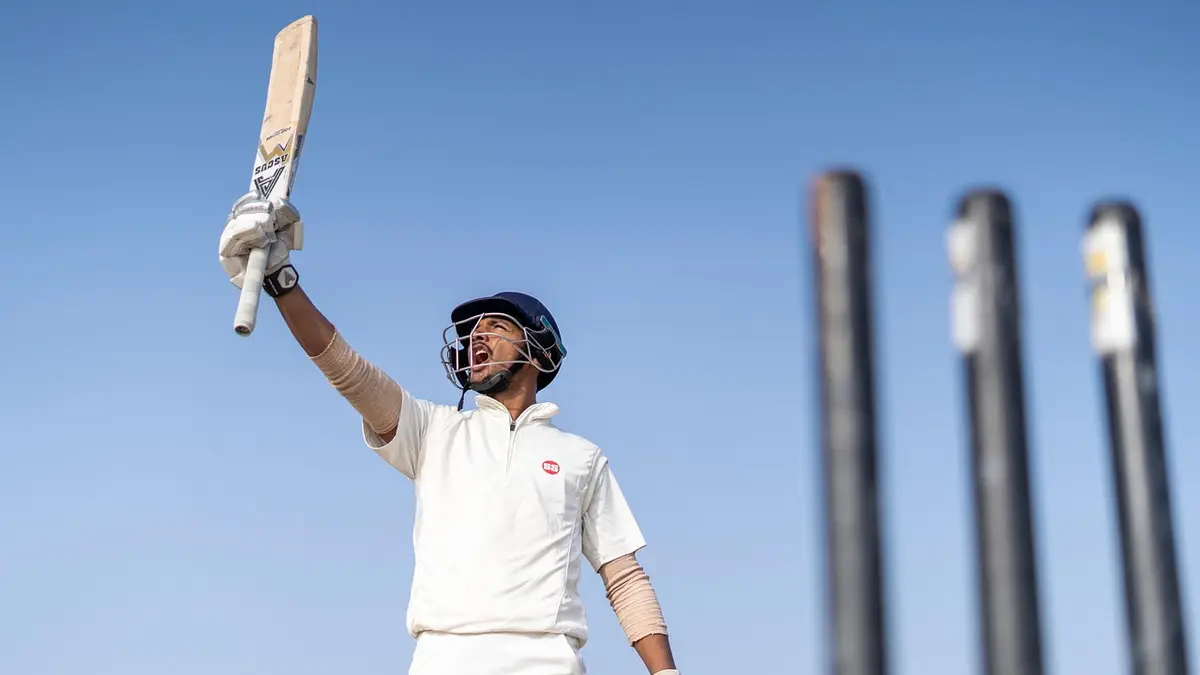
Cricket bats: 0% duty under the cricket equipment line
Read from the UK Trade Tariff on 21 November 2026, heading 9506 covers sports and outdoor-game equipment. The cricket equipment line, excluding balls, is 9506 99 10 00 and carries 0% duty for goods from China. The table repeats this line for bat variants; these are not separate commodity codes.
The supplied record lists no anti-dumping or countervailing duty and no suspension for this line. It attaches cat and dog fur import and export controls: such fur and products made from it are banned, including imports from China. Specify bats and accessories without these materials. The record also attaches a cultural-goods export licence measure; ask your customs broker to confirm its relevance if subsequently exporting.
Confirm the commodity code using the finished bat, materials and intended sporting use before ordering. For another product family within this heading, see cricket practice nets.
| Goods | Commodity code | Duty | Anti-dumping or countervailing duty on China |
|---|---|---|---|
| Adult willow cricket bats with short handles | 9506 99 10 00 | 0% | None |
Specify the blade, handle and intended ball
State whether the bat is intended for hard-ball or soft-ball cricket and for adults or juniors. Name the timber species and claimed origin, and define any supplier grade against an approved physical sample. Specify blade profile, overall dimensions, weight range, balance, handle length and shape, splice construction and grip material.
Agree whether the blade is solid or laminated, its finish, toe protection, face covering and any preparation supplied before use. Ask the factory to explain what further preparation the buyer must arrange. Approve artwork on the finished bat and prohibit changes to timber, handle construction or covering without written approval.
Consumer bats supplied in Great Britain must be safe, including under reasonably foreseeable use. Assess splinters, blade breakage and handle separation using samples matching the ordered construction. Confirm with the relevant authority what producer name, address and product or batch identification should appear on the product or packaging. Keep safety findings and use instructions with the specification.
Worked duty example
Illustrative example, not a quote: Illustrative order of 24 willow cricket bats in mixed sizes under 9506 99 10 00, invoiced at £2,500 free on board, with £350 of freight and insurance to the UK. The customs value is £2,850. Duty at 0% is £0. Import VAT at 20% is charged on the customs value plus duty, £2,850, so it is £570. With no duty, the only import tax is the VAT, which a VAT-registered importer can usually reclaim. The import duty and VAT guide explains each step.
Inspection checklist
Blade: check dimensions, profile, weight and balance against the approved sample; inspect the face, edges and toe for cracks, splinters and concealed repairs.
Handle: check alignment, splice joints, grip security and movement between handle and blade during the agreed functional checks.
Finish and identification: check coverings, toe protection, print adhesion, size markings, batch references and the agreed preparation and care instructions.
Arrival: count the size mix and inspect for damp cartons, mould, staining and transport damage. Separate suspect bats for review and record findings through the quality inspection guide.
Working out your own order? Send us the product on WhatsApp and we reply the same working day: WhatsApp us
What goes wrong
A supplier's timber grade can describe appearance without defining weight, balance or durability. Face coverings may conceal repairs or surface defects. A bat that matches the approved artwork can still have a poorly bonded splice, a loose grip or a different blade profile.
Moisture changes can leave blades warped or cracked, while damp packaging can cause mould and staining. Agree the inspection method, packing and storage instructions before production. Retain an approved bat and compare finished stock before dispatch and again on arrival.
Cambridge China Bridge sources these products for UK businesses, checking the factory and the documents before shipment. See factory verification. For own-brand ranges, see sourcing for brands.
Frequently asked questions
What is the UK import duty on cricket bats from China?
The supplied tariff record gives 0% under 9506 99 10 00 for cricket equipment other than balls, with no listed anti-dumping or countervailing duty or suspension. Confirm the code for the finished bats.
How do I specify willow cricket bats?
Name the timber species and claimed origin, define the grade against a retained sample, and agree blade profile, dimensions, weight, balance, handle construction and finish.
Must cricket bats meet UK product safety rules?
Assess the actual blade and handle construction and retain the safety findings.
Do cricket bats arrive ready to play?
Agree this explicitly. Ask what preparation the factory supplies and what remains before use. Check that the delivered instructions match the blade material, finish and intended ball.