Sourcing computer graphics cards from China
Computer graphics cards from China normally fall under electronic assemblies in heading 8473, with UK duty of 0% and no listed trade remedy. Electrical and electronic equipment is subject to hazardous-substance restrictions unless excluded. Check the exact model, condition and compliance evidence. Cambridge China Bridge sources computer graphics cards.
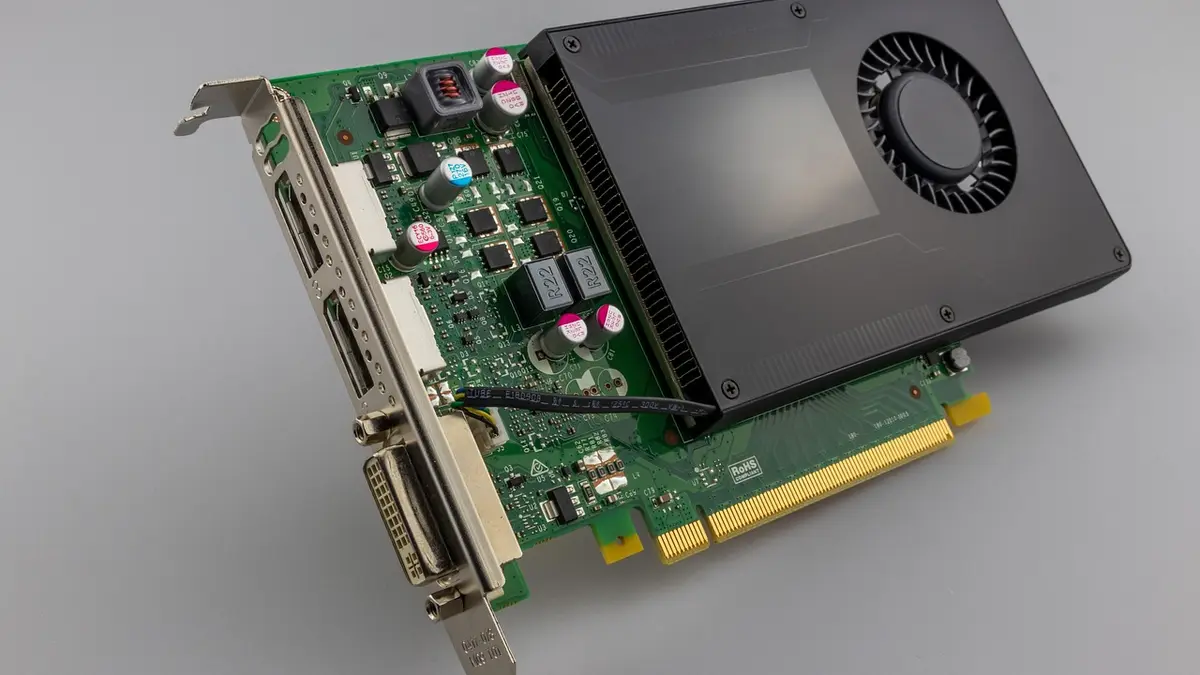
Graphics cards and zero duty
Heading 8473 covers parts and accessories for the machines described in the tariff. Computer graphics cards are normally electronic assemblies under 8473 30 20 00. The table shows product variants sharing that tariff line, rather than separate classifications. See the computer motherboards guide for the wider heading.
Read from the UK Trade Tariff on 9 October 2026, the supplied lines all carry 0% duty for goods from China, with no listed anti-dumping or countervailing duty and no suspensions. The graphics-card line has no attached controls. Waste import and export controls appear on 8473 40 10 00 and 8473 40 80 00, which concern other office machines; confirm those requirements with your customs broker if importing goods under those lines.
Confirm the commodity code against the actual board and its intended use. A graphics card, a separate power supply and a cable need their own classification checks. Zero customs duty does not remove import VAT; use the duty and VAT guide when checking the landed cost.
| Goods | Commodity code | Duty | Anti-dumping or countervailing duty on China |
|---|---|---|---|
| Desktop graphics cards, electronic assemblies | 8473 30 20 00 | 0% | None |
Specify the chip, memory and physical fit
Write down the graphics processor model, memory capacity and type, board revision, firmware, display outputs and required drivers. Specify card length, bracket height, cooler thickness, power connectors and the target computer's power supply. Approve a sample in the intended machine and operating system, using the workload your customers will run. For server expansion-card mounting, see our server PCIe riser card sourcing guide. For processor cooling in server builds, see our server CPU heat sink sourcing guide.
State whether cards must be new, refurbished or recovered from used equipment, and require supplier traceability for branded boards. Hazardous-substance rules cover electrical and electronic equipment, cables and spare parts unless specifically excluded. Electromagnetic compatibility rules apply to equipment liable to generate electromagnetic disturbance, subject to exceptions. Ask for model-specific compliance evidence and confirm the scope for your sales route before ordering.
Worked duty example
Illustrative example, not a quote: Illustrative batch of desktop graphics cards under 8473 30 20 00, invoiced at £30,000 free on board, with £1,500 of freight and insurance to the UK. The customs value is £31,500. Duty at 0% is £0. Import VAT at 20% is charged on the customs value plus duty, £31,500, so it is £6,300. With no duty, the only import tax is the VAT, which a VAT-registered importer can usually reclaim. The import duty and VAT guide explains each step.
Inspection checklist
Identity: compare board markings, serial labels, chip and memory identification, firmware and reported specifications with the approved sample.
Function: boot each sampled card in the target machine, test every display output, run graphics and memory workloads, and record crashes, image corruption and thermal throttling.
Condition: inspect solder repairs, corrosion, fan wear, damaged connectors and signs of previous use. Check that the condition matches the purchase order.
Packing and documents: check shielding bags, protective supports and connector protection. Match the hazardous-substance declaration to the ordered model and retain the inspection record.
Working out your own order? Send us the product on WhatsApp and we reply the same working day: WhatsApp us
What goes wrong
A card can display an image but fail under sustained load or when its memory is exercised. Modified firmware can obscure the supplied specification. Worn fans, repaired boards and used chips can also arrive in packaging that suggests new stock. Do not accept packaging or a successful boot as the only evidence.
Agree acceptance criteria for the actual workload, physical fit, condition and packing before shipment. Keep serial-linked test results and photographs, and agree how the supplier will handle failed cards. Repeat the identity and function checks on arrival before releasing stock for sale.
Cambridge China Bridge sources these products for UK businesses, checking the factory and the documents before shipment. See factory verification. For machinery and equipment, see machinery imports.
Frequently asked questions
What is the UK import duty on graphics cards from China?
The supplied tariff facts show 0% duty for computer electronic assemblies under 8473 30 20 00, with no listed anti-dumping or countervailing duty. Confirm the code for the actual card.
How do I check a graphics card is genuinely new?
Specify new condition, obtain supplier traceability, inspect markings and repair traces, and compare firmware and reported hardware with the approved sample. Retail packaging alone does not establish condition.
How do I check a graphics card will fit my computers?
Match card length, bracket height, cooler thickness and power connections to the target machine. Test the sample with its power supply, operating system, drivers and intended displays.
What tests should I request before shipment?
Request boot, display-output, graphics-load and memory tests in the target setup. Record image corruption, crashes, fan behaviour and thermal throttling, with results linked to sampled card serials.