Sourcing compressed fresh bakers yeast from China
Compressed fresh bakers yeast from China carries 0% UK duty under 2102 10 39 00; the heading's duty range is 0% throughout. Imports must be safe and legal before entering Great Britain. Organic consignments need a certificate of inspection. Agree chilled handling and test dough rise. Cambridge China Bridge sources compressed fresh bakers yeast.
Buying from China for a business? How our UK China sourcing agent service works · China sourcing agent for small orders and first imports
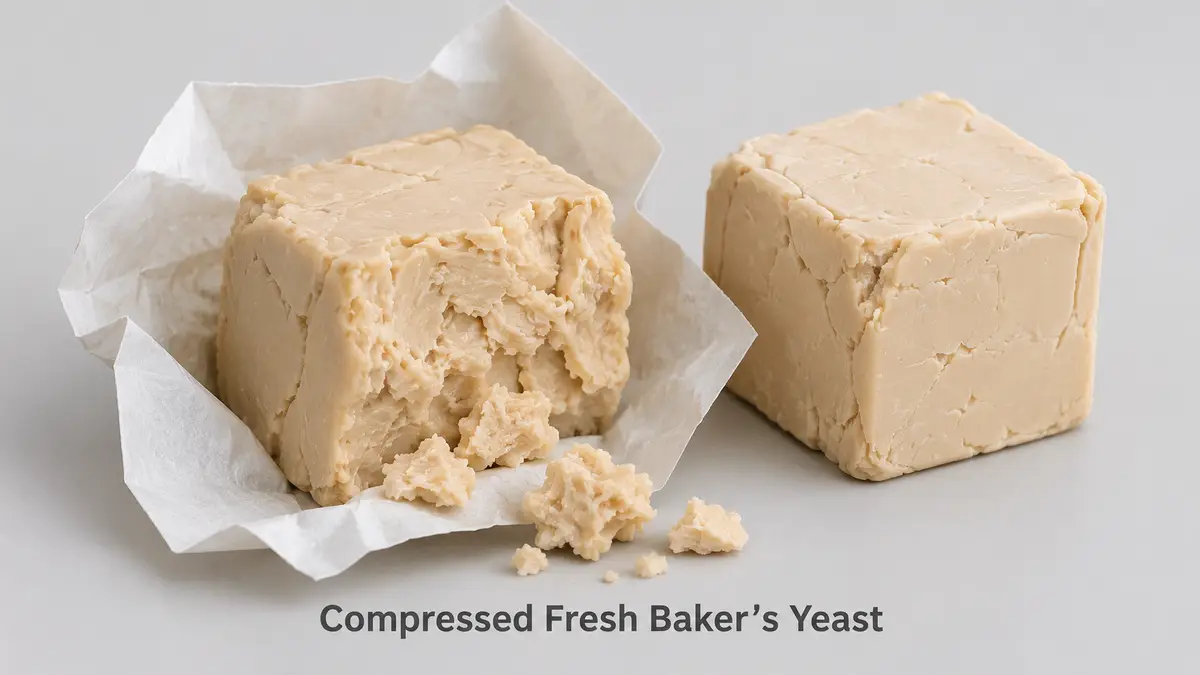
Fresh yeast classification and zero duty
Read from the UK Trade Tariff on 30 September 2026, heading 2102 covers active and inactive yeasts, other dead single-cell micro-organisms and prepared baking powders. Compressed fresh bakers yeast falls within bakers' yeast other than dried, code 2102 10 39 00. Its Chinese-origin duty is 0%. The snapshot lists no anti-dumping or countervailing duties and no suspensions.
The tariff attaches an import control of organic products. Organic fresh yeast imported from China into Great Britain needs a valid certificate of inspection. Confirm the documents and clearance arrangements with your customs broker before shipment. Confirm the VAT treatment of yeast sold as a food ingredient with HMRC or your customs broker; see UK import duty and VAT.
Confirm the commodity code from the product's active state, fresh form and baking use. The other table rows are classification comparisons, rather than alternative codes for compressed fresh bakers yeast. For the wider heading and dried products, see instant dry bakers yeast.
| Goods | Commodity code | Duty | Anti-dumping or countervailing duty on China |
|---|---|---|---|
| Bakers' yeast, other than dried, including compressed fresh yeast | 2102 10 39 00 | 0% | None |
| Dried bakers' yeast, for classification comparison | 2102 10 31 00 | 0% | None |
| Culture yeast, other than for feeding, for classification comparison | 2102 10 10 90 | 0% | None |
| Other active yeast, other than for feeding, for classification comparison | 2102 10 90 90 | 0% | None |
Specify fresh blocks and chilled handling
Specify compressed blocks rather than dried granules or cream yeast. Agree the strain, suitability for your dough recipe, block weight, dry matter, texture and fermentation activity. Define a dough-rise test using your flour, mixing method and dough conditions, with acceptance criteria agreed against an approved sample.
Agree the manufacturer's storage conditions, chilled packing, temperature records through transport and handover, and remaining shelf life on arrival. Ask for batch analysis covering activity, dry matter and microbiology. Imports must be safe and legal before entering Great Britain. Confirm retail labelling requirements for sale in Great Britain with the relevant local authority, including the name, ingredients, net quantity, date mark and food-business address.
Worked duty example
Illustrative example, not a quote: Illustrative order: 1 tonne of wrapped compressed fresh bakers yeast under 2102 10 39 00, invoiced at £2,000 free on board, with £1,500 of freight and insurance to the UK. The customs value is £3,500. Duty at 0% is £0. Import VAT at 20% is charged on the customs value plus duty, £3,500, so it is £700. With no duty, the only import tax is the VAT, which a VAT-registered importer can usually reclaim. The import duty and VAT guide explains each step. This assumes the goods are standard-rated for VAT. Most food for human consumption is zero-rated, and animal feed can be too, in which case no import VAT is due, so check the rate for your product in HMRC's VAT Notice 701/14.
Inspection checklist
Activity: test arrival samples in the agreed dough recipe and compare rise with the approved sample; colour and smell alone do not establish fermentation performance.
Condition: inspect blocks for drying, excessive softness, discolouration, visible mould and damaged wrapping. Check dry matter and microbiological results against the purchase specification.
Cold handling: review transport temperature records and check product condition at receipt. Investigate excursions against the manufacturer's agreed storage conditions before releasing the batch.
Identity and labels: match block wrappers, cartons and analysis reports to the batch and date marks. Check remaining shelf life, retail label details and the certificate of inspection where the goods are organic.
Working out your own order? Send us the product on WhatsApp and we reply the same working day: WhatsApp us
What goes wrong
Fresh yeast can arrive with weak activity after warm handling, or with too little shelf life left for the buyer's production schedule. Damaged wrapping can leave blocks dry at the edges; condensation and poor handling can leave them soft or contaminated. A factory's test in plain dough may also miss weak performance in your sweet dough recipe.
Approve the recipe-based activity test and chilled handover arrangements before ordering. Hold suspect stock for assessment instead of blending it into production. An analysis report should identify the actual shipment batch. Use quality inspection explained to agree how findings will be recorded.
Cambridge China Bridge sources these products for UK businesses, checking the factory and the documents before shipment. See factory verification. For repeat volumes, see container programmes.
Frequently asked questions
What is the UK import duty on fresh bakers yeast from China?
The supplied tariff snapshot shows 0% duty under 2102 10 39 00, with no anti-dumping or countervailing duty and no suspension.
Can I ship compressed fresh yeast without refrigeration?
Agree chilled handling against the manufacturer's storage conditions and obtain transport temperature records. Test activity on arrival; intact wrapping does not prove that yeast has retained its performance.
What documents do organic fresh yeast imports need?
Organic consignments from China into Great Britain need a valid certificate of inspection.
How do I check fresh yeast before using it?
Check wrapping, block condition, batch identity and remaining shelf life. Review batch analysis and transport records, then test dough rise using the agreed recipe and acceptance criteria.