Sourcing combed mohair tops from China
Combed mohair tops from China carry 0% UK duty, with no anti-dumping or countervailing duty recorded. The tariff attaches CITES controls, so confirm the animal species and whether permits apply. Verify treatment records and accurate fibre descriptions before resale. Cambridge China Bridge sources combed mohair tops.
Buying from China for a business? How our UK China sourcing agent service works · China sourcing agent for small orders and first imports
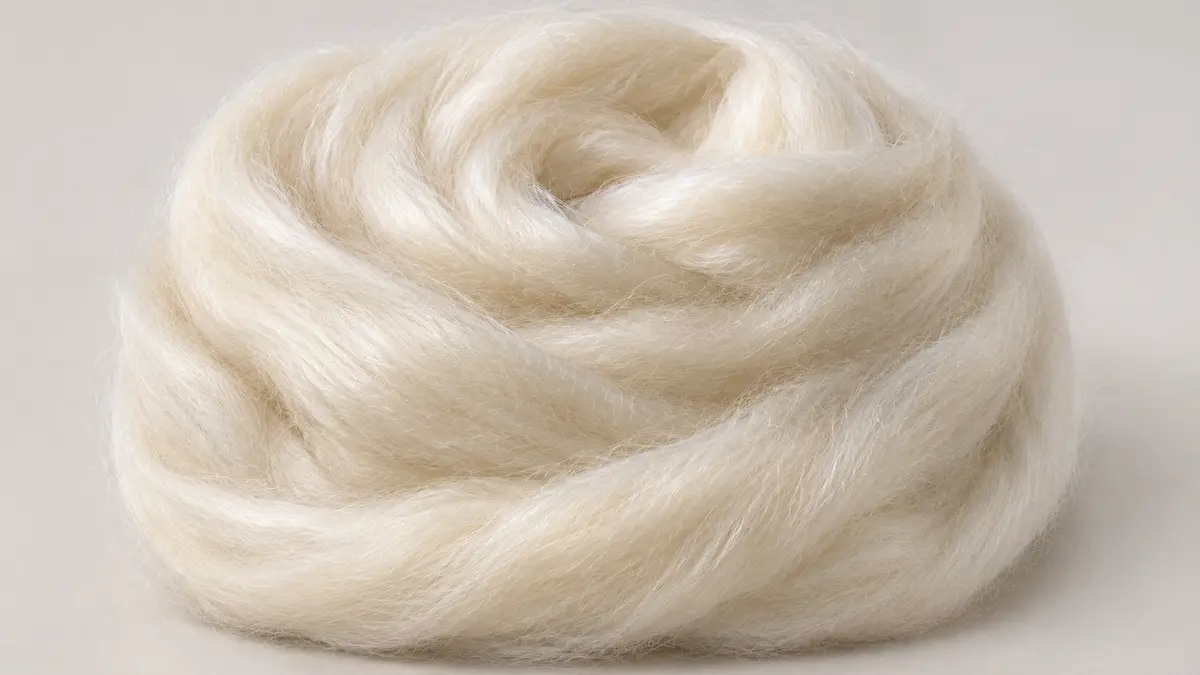
Duty and controls on mohair tops
Read from the UK Trade Tariff on 5 October 2026, combed mohair tops fall within heading 5105, covering carded or combed wool and animal hair. The relevant line is 5105 39 00 00, other carded or combed fine animal hair. The table shows product variants sharing this tariff line, rather than separate tariff subdivisions.
The recorded duty for goods from China is 0%, with no anti-dumping or countervailing measure and no suspension recorded. This line attaches CITES import and export controls. Permits are required for species listed in Annex A, B or C. Give your customs broker the animal species and confirm the applicable requirement for the shipment from China.
Confirm the commodity code using the fibre composition and processing stage. Do not use a tops description for uncombed hair or spun yarn. For wider heading coverage and the separate cashmere line, see our combed cashmere tops guide.
| Goods | Commodity code | Duty | Anti-dumping or countervailing duty on China |
|---|---|---|---|
| Undyed combed mohair tops | 5105 39 00 00 | 0% | None |
Specify fibre, combing and treatment
Specify mohair fibre identity and any blend, mean fibre diameter and variation, fibre length, short-fibre content, kemp, vegetable matter, residual grease and colour. Agree the measurement methods, lot certificate, top weight and packing. Keep an approved sample and ask the spinner to assess drafting behaviour before accepting the production lot.
Ask for the washing or other treatment record. Qualifying treated hair can enter Great Britain from any country without a health certificate or veterinary checks. Confirm with APHA what commercial document should accompany it, including any required consignor, consignee, origin, quantity, species and treatment details. Confirm that the actual treatment meets the treated-hair conditions; a description of combing alone does not document treatment.
For resale as a textile product, use accurate fibre names and composition information on labels and invoices. Labels must show fibre content. Keep fibre identity results linked to the supplier's batch, particularly where the supplier offers blended tops.
Worked duty example
Illustrative example, not a quote: Illustrative order: 200 kg of undyed combed mohair tops under 5105 39 00 00, invoiced at £6,000 free on board, with £1,800 of freight and insurance to the UK. The customs value is £7,800. Duty at 0% is £0. Import VAT at 20% is charged on the customs value plus duty, £7,800, so it is £1,560. With no duty, the only import tax is the VAT, which a VAT-registered importer can usually reclaim. The import duty and VAT guide explains each step.
Inspection checklist
Identity: test representative samples against the declared mohair composition and investigate unexpected wool or synthetic fibres.
Diameter and length: compare the delivered lot with the agreed certificate and sample, including variation and short-fibre content.
Cleanliness and processing: inspect for kemp, neps, vegetable matter, coloured fibres and packing contamination; run a spinning trial.
Bales and documents: check moisture, odour, net weight and batch identification; match the treatment document and packing list to the delivered lot.
Working out your own order? Send us the product on WhatsApp and we reply the same working day: WhatsApp us
What goes wrong
Coarser fibre or excessive kemp changes handle and appearance. Short fibres and neps increase spinning waste, while uneven tops draft inconsistently. A clean-looking sample can hide contamination elsewhere in the lot. Sample across bales and compare the results with the retained approval sample.
Damp packing can leave yellowing and odour. Mixed batches or missing treatment records make it harder to establish what arrived and how it was processed. Agree acceptance criteria and the response to a failed inspection before ordering, then retain samples and photographs linked to each batch.
Cambridge China Bridge sources these products for UK businesses, checking the factory and the documents before shipment. See factory verification. For repeat volumes, see container programmes.
Frequently asked questions
What is the UK import duty on combed mohair tops from China?
The supplied tariff record shows 0% for 5105 39 00 00, with no anti-dumping or countervailing duty and no suspension recorded.
Do mohair tops need CITES permits?
The tariff line attaches a CITES control. Permit requirements depend on the species. Give your customs broker the animal identity and confirm what applies before shipping.
Can treated mohair tops be imported from China?
Qualifying treated hair may be imported into Great Britain from any country. Confirm the treatment and accompanying commercial document; do not rely on the word combed alone.
How do I check the quality of mohair tops?
Check fibre identity, diameter, length, kemp, short fibres and contamination against the agreed specification. Inspect bale moisture and run a spinning trial using samples from the delivered lot.