Sourcing coffee flavour concentrates from China
Coffee flavour concentrates from China under the relevant heading 3302 lines carry 0% UK duty throughout, with no listed trade remedies. Food flavourings must use permitted ingredients; dairy-containing formulas need their import route checked. Cambridge China Bridge sources coffee flavour concentrates.
Buying from China for a business? How our UK China sourcing agent service works · China sourcing agent for small orders and first imports
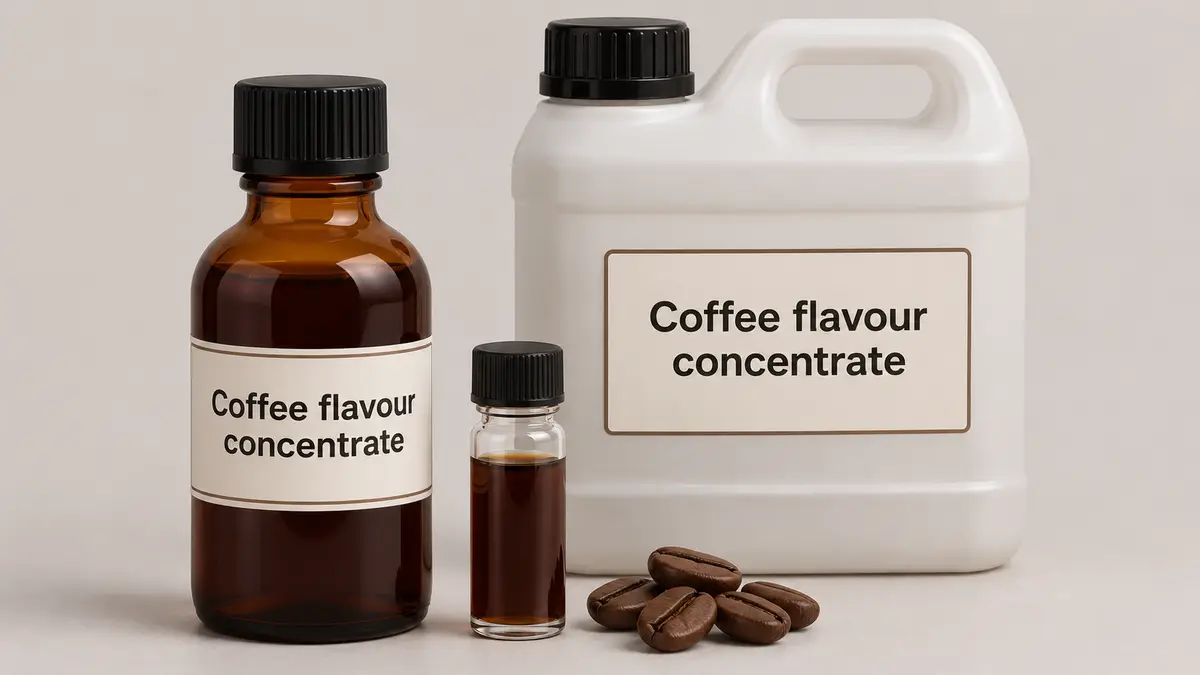
UK duty on coffee flavour concentrates
Read from the UK Trade Tariff on 2 October 2026, the relevant food and drink flavouring lines under heading 3302 carried 0% duty for goods from China. No anti-dumping or countervailing duties or suspensions are listed. This guide concerns coffee flavour mixtures supplied as manufacturing ingredients. Give your broker the full composition and intended use rather than assuming that coffee extracts or finished café syrups belong here.
The tariff attaches veterinary control to every selected line. For a Chinese formula containing dairy or other animal ingredients, ask your customs broker to confirm whether it can enter Great Britain and which documents and checks apply. Medium-risk composite products containing milk need a composite product health certificate. The selected lines also list mercury export control, and the food-industry line lists an export restriction concerning goods for torture and repression; ask the broker to confirm their scope.
The drink lines distinguish preparations containing all the flavouring agents characterising a beverage from other flavour mixtures, with further distinctions for alcohol and composition. Confirm the commodity code using the formula, alcohol content, milkfat, sugars, starch and intended application. See the wider beverage flavour concentrates guide for related blends.
| Goods | Commodity code | Duty | Anti-dumping or countervailing duty on China |
|---|---|---|---|
| Complete coffee beverage flavour preparations, alcohol over 0.5% | 3302 10 10 00 | 0% | None |
| Complete coffee beverage flavour preparations, low sugar, starch and milkfat | 3302 10 21 00 | 0% | None |
| Other coffee flavour concentrates for drink manufacture | 3302 10 40 00 | 0% | None |
| Coffee flavour concentrates for food manufacture | 3302 10 90 00 | 0% | None |
Specify the coffee profile and carrier
Describe the target profile: freshly roasted, dark roast, caramel, nutty or bitter, with an approved sample tested in your actual drink or food base. Agree the application dose, water dispersibility, colour contribution and acceptable aftertaste. Specify the carrier, alcohol content, caffeine content, storage conditions and whether the flavour must survive heating.
Food flavourings must use permitted flavouring substances and preparations. The official register lists flavourings permitted in Great Britain and their authorisation terms. Ask the supplier for ingredient identities, carrier composition, allergen information and a batch certificate of analysis. Request evidence supporting any proposed natural coffee description before approving wording.
Worked duty example
Illustrative example, not a quote: Illustrative order: 200 kg of coffee flavour concentrate under 3302 10 40 00, invoiced at £6,000 free on board, with £600 of freight and insurance to the UK. The customs value is £6,600. Duty at 0% is £0. Import VAT at 20% is charged on the customs value plus duty, £6,600, so it is £1,320. With no duty, the only import tax is the VAT, which a VAT-registered importer can usually reclaim. The import duty and VAT guide explains each step.
Inspection checklist
Flavour match: compare the arriving batch with the retained approved sample at the agreed dose in the same base, checking roast aroma, bitterness and lingering aftertaste.
Dispersion and processing: check for haze, sediment, separation and flavour loss after the heating or chilling used in your production process.
Batch documents: match the formula revision, ingredient and allergen information, certificate of analysis and container batch identifiers.
Packing and condition: inspect seals, closures, leakage, net contents and storage instructions; investigate unexpected colour changes or odours before using the batch.
Working out your own order? Send us the product on WhatsApp and we reply the same working day: WhatsApp us
What goes wrong
A concentrate can smell convincing neat yet taste burnt, thin or excessively bitter when diluted. A changed carrier can cause haze or separation, while a changed aroma blend can lose its roasted notes during heating. Approve samples in the actual application and retain a reference for each agreed formula.
Paperwork can describe the approved sample while the shipment contains a revised formula. Undeclared changes to dairy ingredients or alcohol content can also undermine the broker's import assessment. Agree written approval for substitutions and hold a disputed batch while its identity and documents are checked.
Cambridge China Bridge sources these products for UK businesses, checking the factory and the documents before shipment. See factory verification. For repeat volumes, see container programmes.
Frequently asked questions
What is the UK import duty on coffee flavour concentrates from China?
The relevant heading 3302 food and drink flavouring lines carry 0% duty in the supplied tariff reading, with no listed anti-dumping or countervailing duty.
Are coffee flavour concentrates the same as coffee extracts?
Do not classify by the product name alone. Give your broker the full formula and intended use; this guide covers flavour mixtures supplied as manufacturing ingredients.
Can I import a coffee flavour concentrate containing milk?
Ask your broker to confirm admissibility and the animal-origin import route before ordering.
How do I check that the bulk coffee flavour matches the sample?
Compare both at the agreed dose in your actual base. Check roast aroma, bitterness, aftertaste, dispersion and flavour retention after your normal processing.