Sourcing cobalt alloy rods from China
Cobalt alloy wear-resistant rods classified under 8105 90 00 00 carry 0% UK duty from China, with no trade remedies recorded. Confirm the code and whether chemical classification and labelling rules apply to the supplied form and use. Cambridge China Bridge sources cobalt alloy wear-resistant rods.
Buying from China for a business? How our UK China sourcing agent service works · China sourcing agent for small orders and first imports
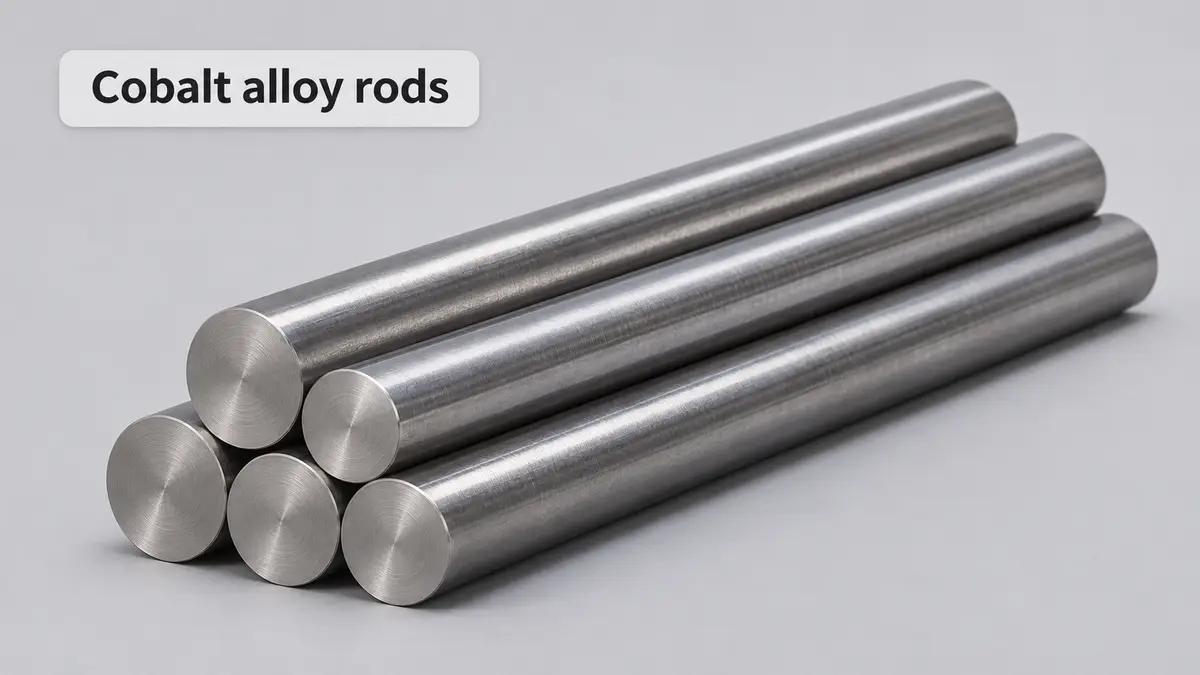
Duty on cobalt alloy wear-resistant rods
Read from the UK Trade Tariff on 4 October 2026, heading 8105 covers cobalt and its articles, alongside intermediate products, unwrought metal, powders and scrap. Wear-resistant rods falling within other cobalt articles use 8105 90 00 00, carrying 0% duty from China. The supplied record shows no anti-dumping or countervailing duty, suspension or attached import control on that line. The table shows rod forms sharing this code, rather than separate tariff subdivisions.
The waste and scrap line, 8105 30 00 00, has an attached waste import control. For discarded rods or scrap from China, confirm the applicable waste shipment requirements with your customs broker before dispatch. Environment Agency guidance for imports into England also requires checking with the authorities of dispatch and transit countries because their rules may differ.
Confirm the alloy composition, manufacturing condition and intended use before agreeing the commodity code, especially for coated welding consumables or finished components. For the wider cobalt heading, see cobalt-chromium dental casting alloys.
| Goods | Commodity code | Duty | Anti-dumping or countervailing duty on China |
|---|---|---|---|
| Cobalt alloy wear-resistant rods, cast | 8105 90 00 00 | 0% | None |
Specify the alloy and how the rod will be used
State whether the rods will be melted for hardfacing or machined into wear parts. Specify the alloy designation and agreed chemistry, including cobalt, chromium, tungsten or molybdenum, carbon and unwanted elements. Set diameter, length, straightness, surface finish and machining allowance. Distinguish cast rods from worked material and agree the hardness test method and acceptance criteria.
For hardfacing, agree the welding process, parent material and a trial deposit before accepting production. Ask for heat-specific analysis and hardness results, with bundle identification linked to the certificates. Arrange factory verification to check the supplier's melting, casting and testing capability.
Check whether the supplied material is treated as a substance, mixture or article for chemical compliance. Substances and mixtures placed on the Great Britain market must be classified and labelled under GB CLP. UK REACH registration applies to substances on their own, in mixtures and in certain limited cases in articles. Resolve the applicable obligations before importing.
Worked duty example
Illustrative example, not a quote: Illustrative order: 2 tonnes of cast cobalt alloy wear-resistant rods under 8105 90 00 00, invoiced at £60,000 free on board, with £2,500 of freight and insurance to the UK. The customs value is £62,500. Duty at 0% is £0. Import VAT at 20% is charged on the customs value plus duty, £62,500, so it is £12,500. With no duty, the only import tax is the VAT, which a VAT-registered importer can usually reclaim. The import duty and VAT guide explains each step.
Inspection checklist
Chemistry: check an independent sample against the agreed alloy composition, including carbon; match the laboratory result to the heat certificate.
Hardness and structure: check hardness using the agreed method; examine sampled cast sections for porosity and cracks against the purchase specification.
Dimensions and surface: measure diameter, length and straightness; inspect for chipped ends, cracks and grinding defects that reduce usable material.
Traceability and packing: match bundle labels, heat numbers and quantities to the certificates; check separators and end protection. Set the sampling brief through the quality inspection guide.
Working out your own order? Send us the product on WhatsApp and we reply the same working day: WhatsApp us
What goes wrong
A similar-looking alloy can have different chemistry, hardness or deposit behaviour. Mixed heats, certificates copied from another batch, casting porosity and chipped ends can leave rods unsuitable for the agreed process. Check chemistry and traceability together, and assess a trial deposit or machined sample before releasing the batch.
A hardness result alone does not demonstrate performance in the buyer's application. Agree the wear mechanism, operating environment and trial acceptance criteria. When rods are used for welding or hardfacing, employers must control the health risks from welding fume; include the proposed use in the workplace assessment.
Cambridge China Bridge sources these products for UK businesses, checking the factory and the documents before shipment. See factory verification. For repeat volumes, see container programmes.
Frequently asked questions
What is the UK import duty on cobalt alloy wear-resistant rods from China?
Rods classified under 8105 90 00 00 carry 0% duty from China in the supplied tariff record. No anti-dumping or countervailing duty is recorded on that line.
What should a cobalt alloy rod certificate show?
Ask for the alloy designation, heat number, measured chemistry and hardness results using the agreed test method. Match the certificate to the bundle identification.
Do solid cobalt alloy rods need hazard labels?
Check the supplied form and use. Resolve the product's chemical status before supply.
How do I check rods intended for hardfacing?
Check chemistry, dimensions, surface condition and heat traceability. Make a trial deposit with the intended process and parent material, then assess it against agreed acceptance criteria.