Sourcing bulbs and rhizomes from China
Standard UK duties under heading 0601 range from 0% to 8% for China, with a listed 0.00% suspension on every line, subject to its conditions. Confirm species eligibility and plant health requirements before ordering; a tariff code does not grant import permission. Cambridge China Bridge sources bulbs and rhizomes.
Buying from China for a business? How our UK China sourcing agent service works · China sourcing agent for small orders and first imports
Standard duties, suspensions and import controls
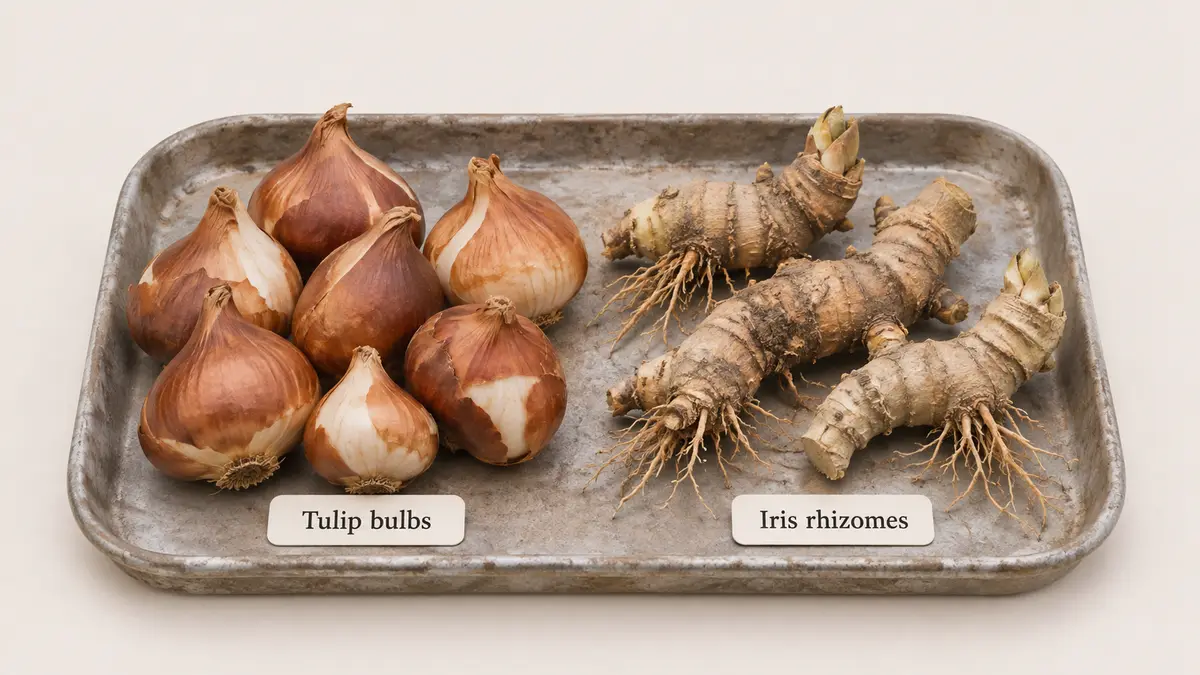
Read from the UK Trade Tariff on 17 November 2026, heading 0601 covers bulbs, tubers, tuberous roots, corms, crowns and rhizomes, dormant, growing or flowering, and chicory plants and roots other than roots of heading 1212.
For China, dormant lines carry a standard 4% duty; chicory carries 0%; the named growing or flowering group carries 8%; other growing or flowering goods carry 6%. No anti-dumping or countervailing duty is listed. Every line has an autonomous 0.00% suspension, excluding mixtures, preparations or products made up of different components containing these products. Confirm eligibility before using the suspended rate.
Organic import controls apply throughout; the tariff also attaches CITES import and export controls to certain lines. Check CITES status and arrange any required permit for imports from China. For organic goods, follow the organic import rules and ask your customs broker to confirm the inspection-certificate requirement for the exact goods. Confirm botanical identity and dormant, growing or flowering condition when choosing the commodity code.
| Goods | Commodity code | Duty | Anti-dumping or countervailing duty on China |
|---|---|---|---|
| Dormant hyacinth bulbs | 0601 10 10 00 | 4% | None |
| Dormant narcissus bulbs | 0601 10 20 00 | 4% | None |
| Dormant tulip bulbs | 0601 10 30 00 | 4% | None |
| Dormant gladiolus corms | 0601 10 40 00 | 4% | None |
| Other dormant bulbs, tubers, crowns and rhizomes | 0601 10 90 00 | 4% | None |
| Chicory plants and roots | 0601 20 10 00 | 0% | None |
| Orchids, hyacinths, narcissi and tulips in growth or flower | 0601 20 30 00 | 8% | None |
| Other bulbs, tubers, crowns and rhizomes in growth or flower | 0601 20 90 00 | 6% | None |
Specify the cultivar, bulb grade and growth stage
Ask the grower or packer for the botanical name, cultivar, propagation source, bulb circumference or tuber weight, grading method and batch identity. Specify dormancy or bud stage, acceptable sprouting, firmness, root condition and packing ventilation. Agree how a sample will be assessed for establishment and flowering; appearance alone does not establish viability.
For Great Britain, check species eligibility and the plant health risk category before ordering. Ask the Animal and Plant Health Agency or the relevant plant health authority to confirm import-system registration, phytosanitary certification, advance notification, checks and fees for the exact goods. Check wood-packaging compliance. Confirm Northern Ireland arrangements separately.
In England and Wales, ask the relevant plant health authority whether your business must register as a professional operator. Check plant passport arrangements for the intended sales channel before buying stock.
Worked duty example
Illustrative example, not a quote: Illustrative order: 2,000 dormant tulip bulbs, subject to species clearance and confirmation of suspension eligibility under 0601 10 30 00, invoiced at £6,000 free on board, with £900 of freight and insurance to the UK. The customs value is £6,900. Duty at 4% is £276. Import VAT at 20% is charged on the customs value plus duty, £7,176, so it is £1,435.20. Import taxes total £1,711.20; a VAT-registered importer can usually reclaim the VAT, so the lasting cost is the £276 of duty. The import duty and VAT guide explains each step.
Inspection checklist
Identity and grade: match cultivar and batch labels to the order, then measure bulb circumference or tuber weight against the agreed grading method.
Health and firmness: check for soft tissue, mould, basal rot, insect damage and attached soil; photograph affected samples.
Growth stage: check premature shoots, broken buds, damaged crowns and dried roots against the agreed arrival condition.
Packing and records: check damp cartons, condensation, crushing and mixed batches; match the shipment to its accompanying plant health documents.
Working out your own order? Send us the product on WhatsApp and we reply the same working day: WhatsApp us
What goes wrong
A mixed cultivar batch can look uniform until flowering. Undersized bulbs, damaged basal plates and excessive drying can undermine establishment. Damp packing encourages rot, while unwanted sprouting makes dormant stock difficult to handle. Agree arrival acceptance criteria and a documented grow-on assessment with the supplier.
A suspended duty rate can distract from unresolved species eligibility or missing paperwork. Clear these before shipment and use a pre-shipment inspection to compare the actual batch with the specification.
Cambridge China Bridge sources these products for UK businesses, checking the factory and the documents before shipment. See factory verification. For repeat volumes, see container programmes.
Frequently asked questions
What is the UK import duty on bulbs from China?
Standard duties range from 0% to 8%; dormant bulbs carry 4%. Every supplied line lists a 0.00% suspension with conditions. No anti-dumping or countervailing duty is listed.
Do bulbs from China need a phytosanitary certificate?
For Great Britain, ask the relevant plant health authority to confirm whether a phytosanitary certificate is required for the exact species, presentation and risk category before ordering.
Can I sell imported bulbs online in England?
Ask the relevant plant health authority whether your business in England or Wales must register as a professional operator. Check species eligibility and plant passport arrangements for your sales channel.
How do I check a bulb shipment on arrival?
Check cultivar and batch identity, agreed size grade, firmness, basal plates, mould, premature shoots and carton moisture. Keep photographs and assess establishment against agreed criteria.
Sources
- UK Trade Tariff — commodity codes and duty
- Import plants and plant products from non-EU countries to Great Britain
- Check if you need a CITES permit to import or export endangered species
- Importing organic food, feed and seed to the UK
- Issue plant passports to move regulated plant material in Great Britain