Sourcing brined plums from China
Brined plums from China carry 0% UK duty under the residual line of heading 0812; the supplied heading has no duty variation. They must be provisionally preserved and unsuitable for immediate consumption. Organic consignments need an inspection certificate. Cambridge China Bridge sources brined plums for processing.
Buying from China for a business? How our UK China sourcing agent service works · China sourcing agent for small orders and first imports
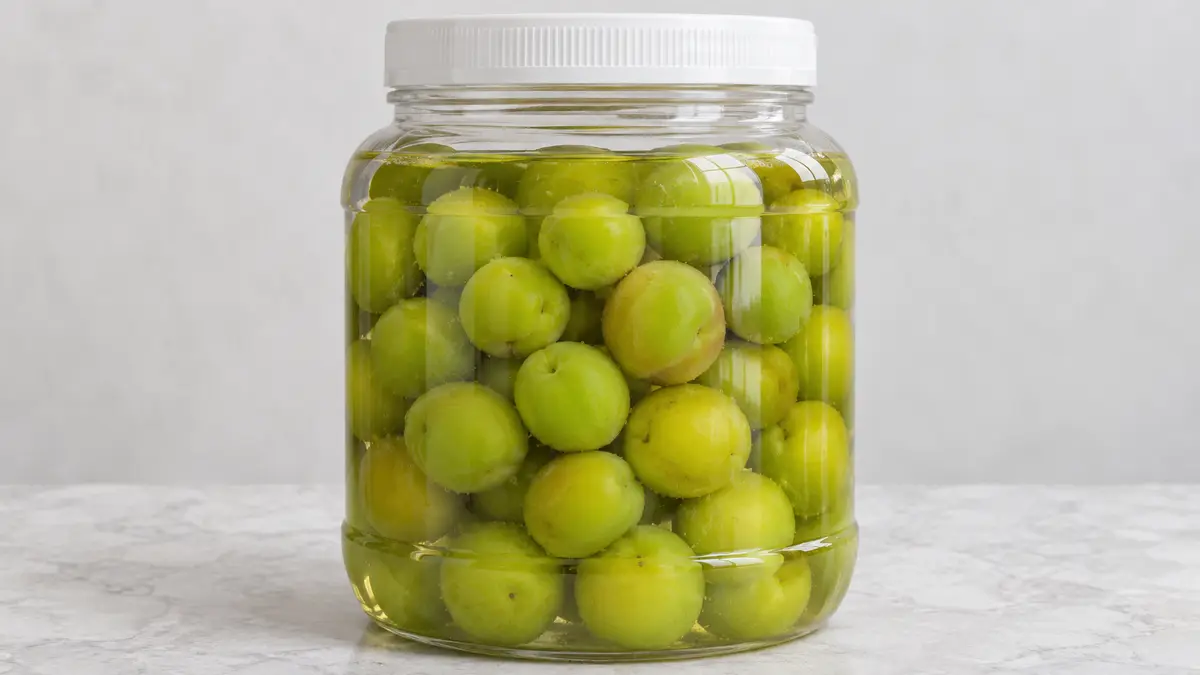
Duty and classification for processing plums
Read from the UK Trade Tariff on 29 September 2026, heading 0812 covers fruit and nuts provisionally preserved but unsuitable in that state for immediate consumption. For ordinary brined plums, the candidate residual code is 0812 90 98 90. The table shows product formats sharing this code, rather than separate tariff lines. Confirm the fruit species and preservation process before using it.
All supplied lines carry 0% duty for goods from China. The snapshot lists no anti-dumping or countervailing duty and no suspension. It attaches an organic import control. Organic food from China entering Great Britain needs an inspection certificate for each consignment, issued by the exporter's control body. Have your customs broker and organic control body confirm the paperwork before shipment.
Give your broker the botanical identity, ingredients, brine composition, processing record and intended use. Confirm the commodity code, particularly if the sample is already suitable for immediate consumption. For the wider heading, see the brined mango processing guide.
| Goods | Commodity code | Duty | Anti-dumping or countervailing duty on China |
|---|---|---|---|
| Whole brined plums, provisionally preserved for processing | 0812 90 98 90 | 0% | None |
Specify the plum and its brine
Specify the botanical identity and variety, maturity, whole or cut format, stone removal, firmness, colour and acceptable skin damage. Agree drained fruit weight separately from the weight including brine. Set contractual targets for salt concentration, acidity, preservatives, storage conditions and usable yield after desalting.
Request the complete ingredient and treatment record, including any sulphur dioxide, and test a production sample through your washing, desalting and cooking process. Imported processed fruit must meet the same hygiene standards and safety procedures as food produced in Great Britain. Register your food business with your local authority and keep traceability records.
Worked duty example
Illustrative example, not a quote: Illustrative order only: 5 tonnes of whole brined plums for processing under 0812 90 98 90, invoiced at £2,500 free on board, with £1,800 of freight and insurance to the UK. The customs value is £4,300. Duty at 0% is £0. Import VAT at 20% is charged on the customs value plus duty, £4,300, so it is £860. With no duty, the only import tax is the VAT, which a VAT-registered importer can usually reclaim. The import duty and VAT guide explains each step. This assumes the goods are standard-rated for VAT. Most food for human consumption is zero-rated, and animal feed can be too, in which case no import VAT is due, so check the rate for your product in HMRC's VAT Notice 701/14.
Inspection checklist
Fruit: compare variety, size, firmness and cut format with the approved sample; check mould, damaged skins, stalks and stones or stone fragments.
Brine and yield: measure salt concentration and acidity against the contract; weigh drained fruit using the agreed method and trial the desalting process.
Containers: inspect lids, seals and liners for leaks, corrosion, swelling and contamination; compare arrival conditions with the agreed storage specification.
Batch evidence: match container identifiers to production and test records; review pesticide, preservative and microbiological results for the supplied batch. Check organic inspection paperwork where applicable. Use the inspection guide to agree sampling.
Working out your own order? Send us the product on WhatsApp and we reply the same working day: WhatsApp us
What goes wrong
A satisfactory appearance can hide excessive salt, soft flesh or poor drained yield. Brine variation makes desalting inconsistent, while stone fragments can remain in supposedly pitted fruit. Leaking containers, mould, unusual gas production and unrecorded preservatives are reasons to hold the batch for investigation.
A sample suitable for immediate consumption raises a classification question under this heading. Resolve it before ordering. Do not use food you believe has been handled unsafely or is poor quality; contact the supplier straight away.
Cambridge China Bridge sources these products for UK businesses, checking the factory and the documents before shipment. See factory verification. For repeat volumes, see container programmes.
Frequently asked questions
What is the UK import duty on brined plums from China?
The supplied tariff snapshot shows 0% under candidate code 0812 90 98 90, with no anti-dumping or countervailing duty and no suspension. Confirm that the goods are provisionally preserved and unsuitable for immediate consumption.
Can I use this code for ready-to-eat salted plums?
Heading 0812 covers provisionally preserved fruit unsuitable for immediate consumption. Give your broker the recipe, process and sample details to establish the code for a ready-to-eat product.
What paperwork do organic brined plums need?
For organic food from China entering Great Britain, an inspection certificate is needed for each consignment. It is issued by the exporter's control body. Confirm the arrangements with your organic control body before shipping.
What should I check when brined plums arrive?
Check seals, leaks, mould, fruit firmness, stone fragments, brine concentration and drained weight. Match batch identifiers to test records and trial desalting before accepting the lot for production.