Sourcing blackout curtains from China
Blackout curtains from China carry 6% to 12% UK duty depending on construction and fibre composition, with no trade remedy recorded in the supplied snapshot. Textile labels must show fibre content, and consumer curtains must be safe. Agree how blackout performance will be checked. Cambridge China Bridge sources blackout curtains.
Buying from China for a business? How our UK China sourcing agent service works · China sourcing agent for small orders and first imports
UK duty on blackout curtains
Read from the UK Trade Tariff on 30 September 2026, heading 6303 covers curtains, drapes, interior blinds and curtain or bed valances. This guide covers finished blackout curtains. The table distinguishes synthetic-fibre woven, knitted and nonwoven curtains from the other cotton curtain line.
The listed woven synthetic-fibre, knitted synthetic-fibre and cotton lines carry 12% duty for goods from China. Synthetic-fibre nonwoven curtains carry 6%. The supplied snapshot records no anti-dumping or countervailing duty, suspension or attached import control for these lines.
Confirm construction and fibre composition before selecting the commodity code. For the wider heading, see curtains and blinds.
| Goods | Commodity code | Duty | Anti-dumping or countervailing duty on China |
|---|---|---|---|
| Woven synthetic-fibre blackout curtains | 6303 92 90 90 | 12% | None |
| Cotton blackout curtains, other than net or batik curtains | 6303 91 00 99 | 12% | None |
| Knitted or crocheted synthetic-fibre blackout curtains | 6303 12 00 00 | 12% | None |
| Nonwoven synthetic-fibre blackout curtains | 6303 92 10 00 | 6% | None |
Specify the blackout construction and finished fit
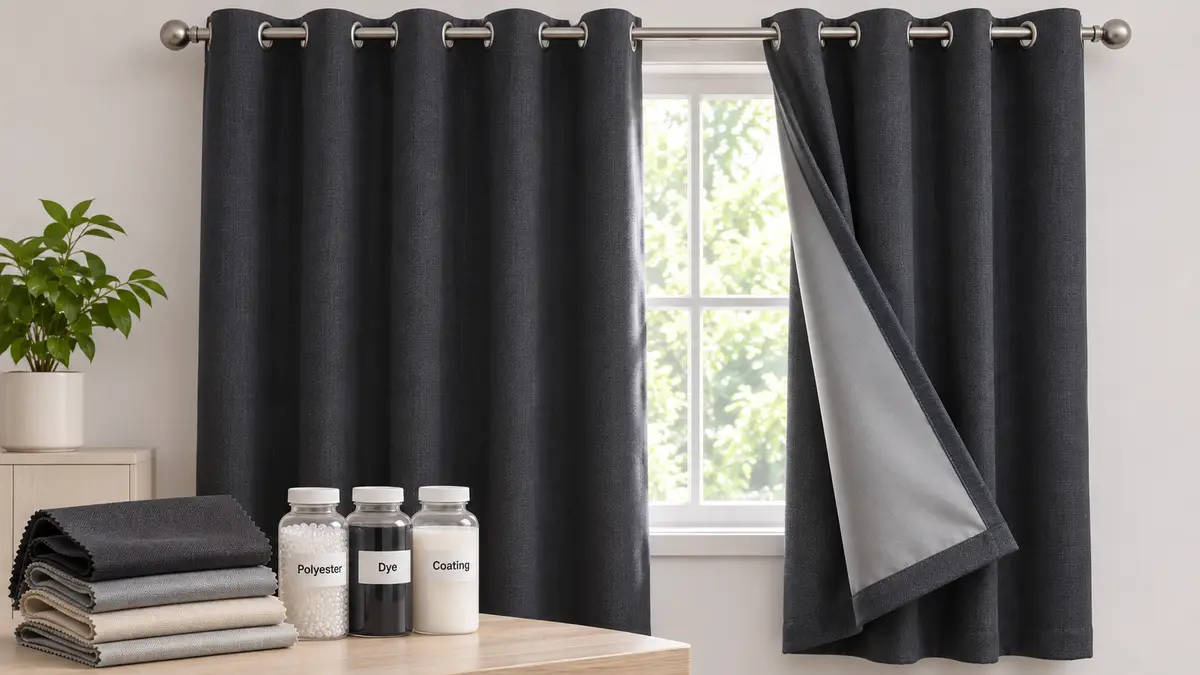
Specify whether the blackout effect comes from the fabric construction, a coating or a separate lining. Record face-fabric and lining composition, finished width and drop, heading style, eyelet spacing, seams and hems. State whether the pack contains a single panel or a pair, and retain an approved finished sample.
Agree a light-box comparison with the approved sample, covering fabric, seams and coating pinholes. Also assess the curtain hung on the intended rail or pole: light around the edges needs a different check from light passing through the fabric. Repeat performance checks after the agreed cleaning process.
Textile labels must show fibre content; confirm durability and legibility requirements with the relevant authority. Importers and sellers are responsible for consumer-product safety. For hotel or contract orders, agree the buyer's fire-performance specification before choosing the fabric and obtain reports for the exact fabric and finish.
Worked duty example
Illustrative example, not a quote: 600 pairs of woven polyester blackout curtains, illustrative only under 6303 92 90 90, invoiced at £7,500 free on board, with £900 of freight and insurance to the UK. The customs value is £8,400. Duty at 12% is £1,008. Import VAT at 20% is charged on the customs value plus duty, £9,408, so it is £1,881.60. Import taxes total £2,889.60; a VAT-registered importer can usually reclaim the VAT, so the lasting cost is the £1,008 of duty. The import duty and VAT guide explains each step.
Inspection checklist
Light exclusion: compare bulk samples with the approved curtain under the agreed lighting; inspect pinholes, seams and coating coverage before and after cleaning.
Dimensions and hanging: measure finished width and drop, compare paired panels, and check heading tape, eyelets, hooks and hems with the intended fittings.
Cleaning and finish: wash face fabric and lining together under the proposed care instructions; check differential shrinkage, puckering, coating cracking, peeling and colour change.
Labels and arrival: compare fibre labels, care instructions and pack contents with approved artwork; open cartons to check dampness, staining and creasing. Plan sampling through quality inspection explained.
Working out your own order? Send us the product on WhatsApp and we reply the same working day: WhatsApp us
What goes wrong
A fabric swatch can block light while the finished curtain leaks through needle holes, thin coating patches or gaps around the window. A changed lining or coating can alter the result even when the face fabric looks unchanged. Approve the finished construction and hanging arrangement alongside the fabric sample.
Cleaning can expose coating cracks or make the lining shrink differently from the face fabric, leaving puckered hems. Shade differences between paired panels and weak heading attachments also cause failures. Record defects by colour and batch, and agree corrective action before releasing affected stock.
Cambridge China Bridge sources these products for UK businesses, checking the factory and the documents before shipment. See factory verification. For own-brand ranges, see sourcing for brands.
Frequently asked questions
What is the UK import duty on blackout curtains from China?
The supplied snapshot shows 12% for the listed woven synthetic-fibre, knitted synthetic-fibre and cotton curtain lines, and 6% for synthetic-fibre nonwoven curtains. No anti-dumping or countervailing duty is recorded.
How do I check a factory's blackout claim?
Compare finished curtains with the approved sample using an agreed light-box check. Inspect seams and coating pinholes, assess edge gaps when hung, and repeat after the agreed cleaning process.
Do blackout curtains need fibre labels?
Yes. Check the wording against the actual face fabric and lining, rather than copying a supplier's generic label.
Do hotel blackout curtains need fire testing?
Hotel and contract buyers usually specify fire performance and ask for test reports. Agree their requirement before choosing the fabric, and check that reports cover the exact fabric and finish, including cleaning where specified.