Sourcing beef extract from China
Beef extract tariff lines carry 0% to 12% UK duty for goods from China, depending on immediate pack size. Ordinary culinary beef extract from China cannot legally enter Great Britain under the animal-origin food restrictions. Cambridge China Bridge checks whether a product can be imported before any order is placed.
Buying from China for a business? How our UK China sourcing agent service works · China sourcing agent for small orders and first imports
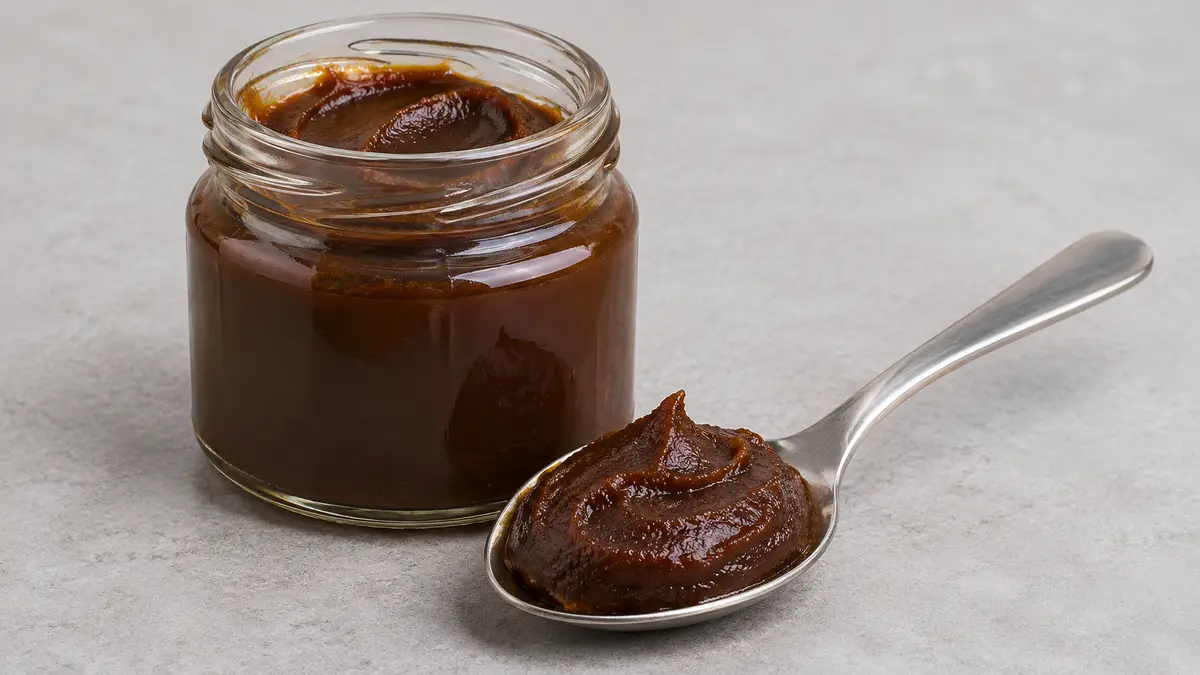
Beef extract duties and the import prohibition
Read from the UK Trade Tariff on 29 September 2026, heading 1603 covers extracts and juices of meat and aquatic animals. Beef extract without fishery ingredients falls within the other meat-extract lines: 1603 00 10 89 carries 12% for immediate packs of 1 kg or less; 1603 00 80 90 carries 0% for larger packs. The table also includes beef-and-fish blends, subject to confirmation of their formulation and classification.
The supplied lines show no anti-dumping or countervailing duty and no suspension. Ordinary culinary beef extract from China is outside the published exceptions to the animal-origin food prohibition for Great Britain. The tariff attaches veterinary, organic and CITES import controls, plus a CITES export control. These controls do not establish import permission. Confirm the veterinary entry-document and CITES requirements with your customs broker; for organic proposals, confirm inspection certification with your organic control body.
Confirm the commodity code using the complete recipe, animal species, processing method and immediate pack weight. A beef-flavoured seasoning without beef extract needs its own classification assessment. See the chicken extract guide for the wider heading. The hypothetical order is illustrative arithmetic only and must not be treated as permission to ship Chinese beef extract.
| Goods | Commodity code | Duty | Anti-dumping or countervailing duty on China |
|---|---|---|---|
| Beef extract without fishery ingredients, immediate packs of 1 kg or less | 1603 00 10 89 | 12% | None |
| Beef extract without fishery ingredients, immediate packs over 1 kg | 1603 00 80 90 | 0% | None |
| Beef and fish extract blends, immediate packs of 1 kg or less | 1603 00 10 80 | 12% | None |
| Beef and fish extract blends, immediate packs over 1 kg | 1603 00 80 10 | 0% | None |
Specify the beef source, concentration and pack
Establish import eligibility before approving a culinary beef-extract order. Ask for the animal species, countries of origin of the animal ingredients, full formulation and intended use. Distinguish actual beef extract from yeast extract or flavouring sold with a beef-style description. Refer any claimed food-additive or supplement exception to the authorities for a product-specific assessment.
For specification review, agree extract concentration, salt content, added carriers, fat separation, colour, aroma and behaviour when diluted in your recipe. Specify paste or liquid consistency, immediate pack net weight, closure, storage instructions and evidence supporting shelf life. Keep an approved reference sample and ask for batch processing records.
Worked duty example
Illustrative example, not a quote: Illustrative small-business pallet order of retail beef extract jars; arithmetic only, not an importable shipment from China under 1603 00 10 89, invoiced at £30,000 free on board, with £4,000 of freight and insurance to the UK. The customs value is £34,000. Duty at 12% is £4,080. Import VAT at 20% is charged on the customs value plus duty, £38,080, so it is £7,616. Import taxes total £11,696; a VAT-registered importer can usually reclaim the VAT, so the lasting cost is the £4,080 of duty. The import duty and VAT guide explains each step. This assumes the goods are standard-rated for VAT. Most food for human consumption is zero-rated, and animal feed can be too, in which case no import VAT is due, so check the rate for your product in HMRC's VAT Notice 701/14.
Inspection checklist
Identity: match the formulation and animal-ingredient origins to the product description and batch records; review eligibility before dispatch.
Concentration: compare solids, salt, colour and dilution performance with the agreed specification; investigate excessive sediment or fat separation.
Packaging: check closures, leakage, swelling, corrosion and net contents; isolate suspect packs. These checks apply to specification samples or legally sourced alternatives.
Labels: check the food name, ingredients with allergens emphasised, net quantity, date mark, storage instructions and food business name and UK address against the agreed artwork.
Working out your own order? Send us the product on WhatsApp and we reply the same working day: WhatsApp us
What goes wrong
A supplier presents a valid commodity code or a low duty rate as proof that Chinese beef extract can enter Great Britain. Neither resolves the prohibition. A product described as beef flavour may contain actual beef extract, while a mixed extract may include undeclared fish ingredients. Obtain the complete recipe before committing to production.
Quality disputes arise when salt or carriers replace extract solids, the paste separates, dilution produces sediment, or closures leak. Agree measurable composition and performance criteria, retain samples and reconcile batch records. Arrival inspection cannot resolve import ineligibility.
Cambridge China Bridge sources these products for UK businesses, checking the factory and the documents before shipment. See factory verification. For repeat volumes, see container programmes.
Frequently asked questions
What is the UK import duty on beef extract from China?
The listed beef-only lines carry 12% for immediate packs of 1 kg or less and 0% for larger packs. There is no listed trade remedy or suspension. These rates do not override the Great Britain import prohibition.
Can I import Chinese beef extract for cooking into Great Britain?
No. Ordinary culinary beef extract is outside the published exceptions to the prohibition on animal-origin foods from China. Establish eligibility before placing an order.
Is beef flavouring classified as beef extract?
The name alone is insufficient. Obtain the full formulation and processing details. A flavouring without beef extract needs its own classification assessment.
What should I specify when buying beef extract?
Specify animal-ingredient origin, extract concentration, salt, carriers, fat separation, dilution performance, pack weight and closure. Resolve import eligibility before approving production.