Sourcing ambulance body shells from China
Ambulance body shells from China carry 4% UK duty across the supplied heading 8707 lines, with no listed trade remedy. Confirm the parent vehicle classification and assembly use before choosing a code. Confirm with DVSA whether the completed vehicle needs approval before registration. Cambridge China Bridge sources ambulance body shells.
Buying from China for a business? How our UK China sourcing agent service works · China sourcing agent for small orders and first imports
Ambulance shell duty and classification
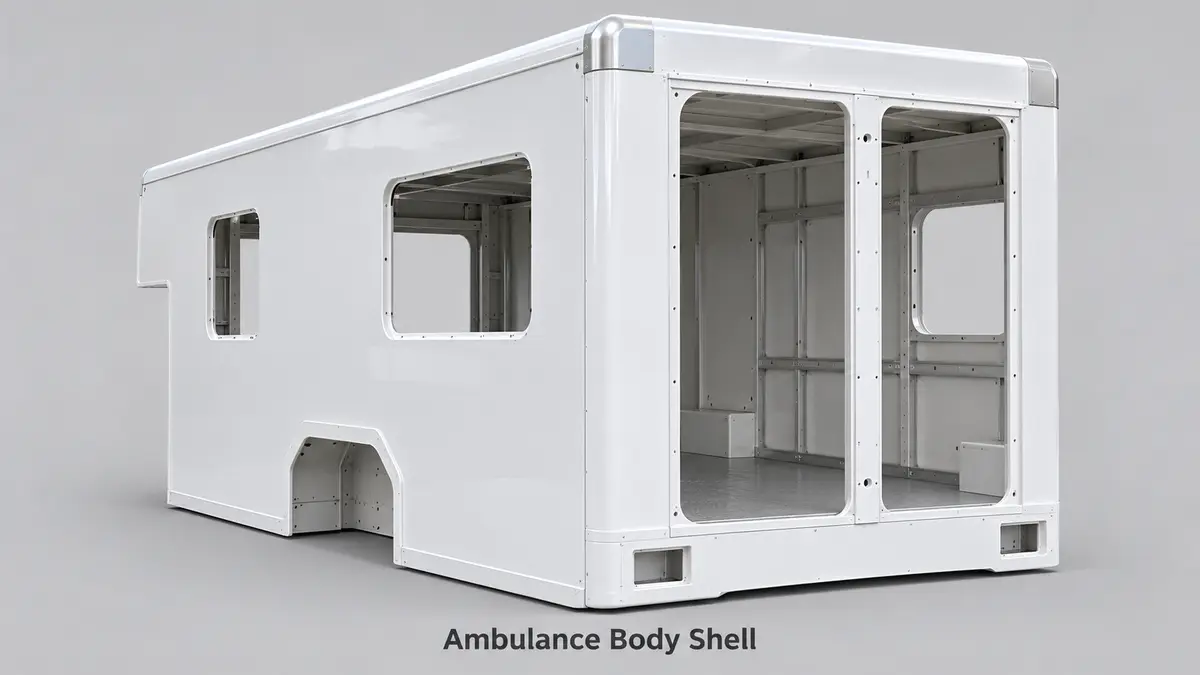
Read from the UK Trade Tariff on 30 September 2026, heading 8707 covers bodies, including cabs, for vehicles of headings 8701 to 8705. This guide concerns ambulance shells supplied separately from the chassis. The table shows bare and door-fitted configurations under the supplied lines for heading 8703 vehicles, subject to classification confirmation.
All supplied lines carry 4% duty on goods from China. No anti-dumping or countervailing duty, suspension or steel measure is listed. The tariff attaches a DCMS Export Licence control. Official guidance states that importing cultural objects into Great Britain has no licensing requirement; ask your customs broker to confirm how the listed control affects your declaration.
Confirm the parent vehicle heading, industrial assembly use and whether the shipment is a complete body or separate parts through finding your commodity code. The table configurations share codes; doors are purchasing specifications, rather than separate tariff subdivisions. For the wider heading, see replacement van body shells.
| Goods | Commodity code | Duty | Anti-dumping or countervailing duty on China |
|---|---|---|---|
| Bare ambulance shells for 8703 vehicles, for industrial assembly | 8707 10 10 00 | 4% | None |
| Bare ambulance shells for 8703 vehicles, other | 8707 10 90 00 | 4% | None |
Specify the chassis interface and patient compartment
Give the factory the chassis model, wheelbase drawing, mounting instructions and cab interface. Agree the shell material, subframe, corrosion protection, floor construction, door openings and glazing apertures. Mark reinforcement locations for the stretcher system, seats, cabinets and equipment, and distinguish factory-installed items from work your converter will complete.
Agree cable routes, ventilation openings, roof equipment supports and access for maintenance before fabrication. Specify interior surfaces and sealants against the cleaning products your operator uses. Record the bare shell mass and the agreed scope of supply so the converter can plan the finished vehicle's weight.
Confirm with DVSA whether the completed vehicle needs approval before registration, using the site's vehicle body guide as background. Agree who handles the approval work and supplies the chassis and conversion documents. Under individual vehicle approval, a passing vehicle receives an individual approval certificate. Use testing and certification support to define the evidence to request.
Worked duty example
Illustrative example, not a quote: Small trial batch of bare ambulance body shells, illustrative under 8707 10 90 00, invoiced at £20,000 free on board, with £6,800 of freight and insurance to the UK. The customs value is £26,800. Duty at 4% is £1,072. Import VAT at 20% is charged on the customs value plus duty, £27,872, so it is £5,574.40. Import taxes total £6,646.40; a VAT-registered importer can usually reclaim the VAT, so the lasting cost is the £1,072 of duty. The import duty and VAT guide explains each step.
Inspection checklist
Fit: measure mounting points, cab interface, wheel clearance and patient compartment openings against the approved drawings.
Structure: inspect welds, bonded joints, floor supports and reinforcement positions; check that equipment attachment points match the converter's design.
Sealing: water-test roof seams, glazing and door apertures; operate doors and locks, and check seal contact and drainage.
Arrival: check transport distortion, coating damage and moisture inside panels; reconcile loose components and shell identification with the packing list. Agree the report through quality inspection explained.
Working out your own order? Send us the product on WhatsApp and we reply the same working day: WhatsApp us
What goes wrong
An ambulance-shaped shell can still fail the conversion brief. Mountings may miss the chassis, the stretcher opening may be obstructed by a door frame, or equipment reinforcements may sit behind the wrong panel. Correcting these after bonding or painting can damage the finish and change the agreed structure.
Leaking roof penetrations, trapped water and damaged door apertures can appear after transport or installation. Agree the lifting and support points, inspect the shell before fitting it, and retain photographs of concealed reinforcements before the lining is installed. Resolve drawing changes with the converter before production continues.
Cambridge China Bridge sources these products for UK businesses, checking the factory and the documents before shipment. See factory verification. For machinery and equipment, see machinery imports.
Frequently asked questions
What is the UK import duty on ambulance body shells from China?
The supplied heading 8707 lines all carry 4% duty on goods from China, with no listed anti-dumping or countervailing duty. Confirm the exact code for the shell and its intended use.
Which commodity code should I use for an ambulance shell?
Confirm the parent vehicle heading and assembly use. The table uses the supplied heading 8703 body lines as classification candidates; the ambulance description alone does not settle the code.
Does importing the shell approve the finished ambulance?
Agree the approval route and responsibilities with the chassis supplier and converter before ordering the shell.
What should I send the Chinese shell factory?
Send chassis drawings, mounting instructions, the patient compartment layout and reinforcement positions. Define doors, glazing, floor, sealing, cleaning compatibility and the items included in supply.