Sourcing aerosol deodorants from China
Aerosol deodorants from China carry 6% UK duty under personal deodorants and antiperspirants. Before sale in Great Britain, confirm with the relevant cosmetics authority the requirements for a UK-established Responsible Person, a safety assessment and notification. Specify the filled can as well as the formula. Cambridge China Bridge sources aerosol deodorants.
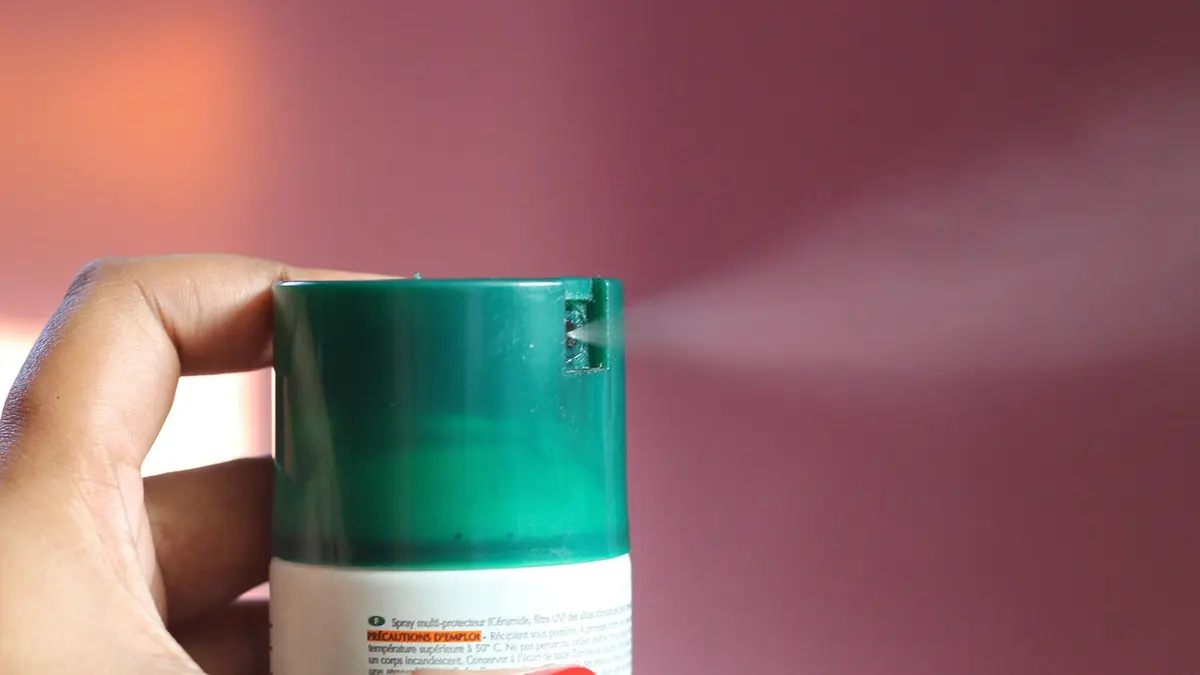
UK duty on aerosol deodorants
Heading 3307 covers personal deodorants and antiperspirants alongside shaving, bath and other toilet preparations. Finished personal aerosol deodorants fall within 3307 20 00 00. The table shows product variants sharing that commodity line, rather than separate tariff classifications.
Read from the UK Trade Tariff on 30 September 2026, the supplied personal deodorant line carries 6% duty for goods from China, with no anti-dumping or countervailing duty and no suspension recorded. Import VAT is 20%. The tariff attaches an export control of mercury to this line; ask your customs broker to confirm its relevance to your transaction.
Confirm the formulation, intended use and commodity code before ordering. Room deodorising sprays belong to a different branch of the heading. For the related personal deodorant family, see roll-on deodorants.
| Goods | Commodity code | Duty | Anti-dumping or countervailing duty on China |
|---|---|---|---|
| Fragranced personal aerosol deodorants | 3307 20 00 00 | 6% | None |
Specify the formula, propellant and filled can
State whether the product deodorises, reduces perspiration or does both. Agree fragrance, skin feel, drying behaviour, visible residue and spray pattern against a retained sample. Identify the propellant, can material, internal coating, valve, actuator and cap. Require approval before the factory substitutes any component or changes the formula.
For sale in Great Britain, confirm with the relevant cosmetics authority the requirements for a UK-established Responsible Person, a qualified cosmetic safety assessment, the product information file and notification before market placement. Obtain the full quantitative formula for the assessor, including the propellant. Support deodorising and antiperspirant claims with evidence, and approve the ingredient list, warnings, batch identification and Responsible Person details before printing.
Ask for filled-can leak-testing records tied to the production batch. Official aerosol guidance explains that testing helps establish initial integrity for consumer and transport safety. Review the actual formula and container together through testing and certification, and ask the freight provider to approve the proposed shipment before dispatch.
Worked duty example
Illustrative example, not a quote: A mixed-fragrance pallet of retail aerosol deodorants, illustrative under 3307 20 00 00, invoiced at £3,307 free on board, with £852 of freight and insurance to the UK. The customs value is £4,159. Duty at 6% is £249.54. Import VAT at 20% is charged on the customs value plus duty, £4,408.54, so it is £881.71. Import taxes total £1,131.25; a VAT-registered importer can usually reclaim the VAT, so the lasting cost is the £249.54 of duty. The import duty and VAT guide explains each step.
Inspection checklist
Can condition: check for dents, corrosion, damaged seams, loose caps and signs of leakage before opening cartons.
Spray performance: compare actuation, spray pattern, blockage, sputtering and residue with the approved filled sample.
Fill and consistency: compare fill checks, fragrance and drying behaviour with the agreed specification and retained batch sample.
Artwork and records: check ingredient listing, warnings, batch identification and Responsible Person details against approved artwork; match cartons to batch records and testing evidence.
Working out your own order? Send us the product on WhatsApp and we reply the same working day: WhatsApp us
What goes wrong
An attractive sample can hide a different production valve, altered propellant blend or incompatible internal coating. These changes can affect discharge, residue and leakage. Record the approved component identities and investigate changes before accepting the batch.
A generic cosmetic report or an empty-can test does not demonstrate the performance of your finished aerosol. Missing formula disclosure can also stall the safety assessment. Resolve the paperwork and approve the shipping arrangement before stock leaves the factory.
Cambridge China Bridge sources these products for UK businesses, checking the factory and the documents before shipment. See factory verification. For repeat volumes, see container programmes.
Frequently asked questions
What is the UK import duty on aerosol deodorants from China?
The supplied tariff line 3307 20 00 00 carries 6% duty. No anti-dumping or countervailing duty or suspension is recorded. Import VAT is 20%.
Do imported aerosol deodorants need a UK Responsible Person?
For sale in Great Britain, confirm with the relevant cosmetics authority the requirements for a UK-established Responsible Person, a safety assessment, a product information file and notification before market placement.
What should I ask the aerosol deodorant factory for?
Request the quantitative formula, propellant identity, approved can and valve specifications, claim evidence, batch records and filled-can testing records.
How do I check aerosol deodorants when they arrive?
Check cans for damage and leakage, compare spray performance and residue with the approved sample, verify fill against the specification and match artwork and batch codes to the records.